



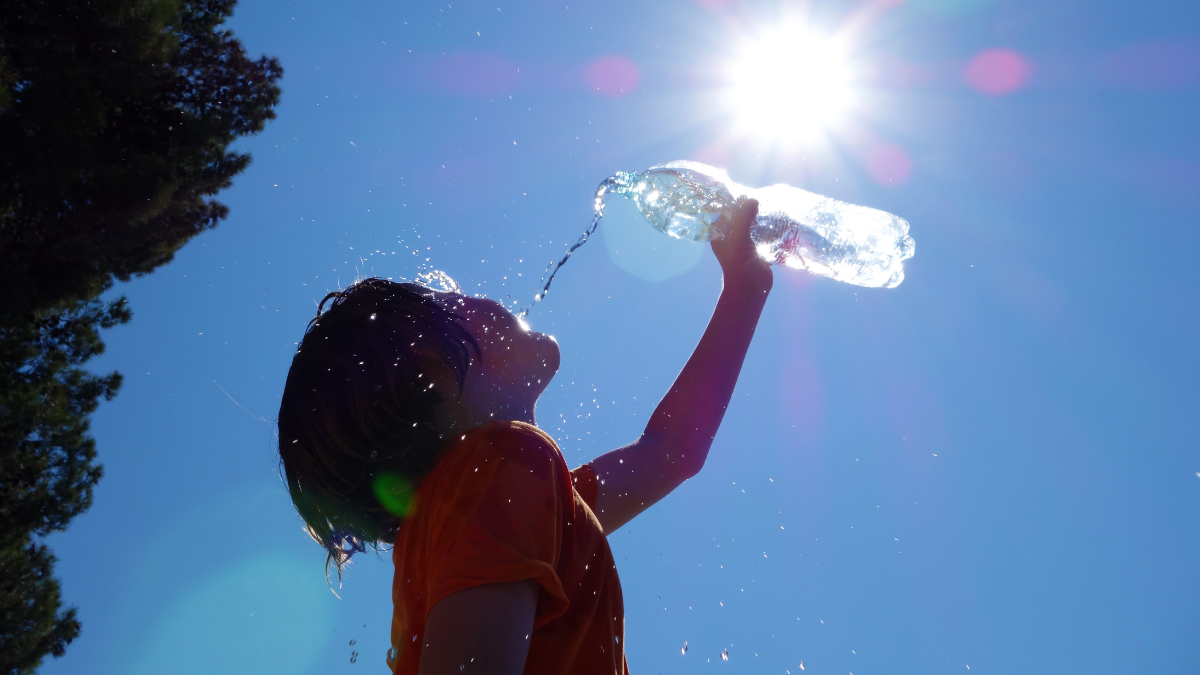

The world must brace for a future where heatwaves are not only more frequent but more intense, the United Nations’ weather agency warned on Tuesday, as Europe bakes under relentless summer heat.

The World Meteorological Organization (WMO) said the surge in global temperatures is being driven by human-induced climate change, making searing heat events the new normal rather than an exception.
Speaking at a briefing in Geneva, WMO spokesperson Clare Nullis noted that while July is typically the hottest month in the northern hemisphere, this year’s early and powerful heat spells are a cause for concern. “As a result of human-induced climate change, extreme heat is becoming more frequent, more intense. It’s something we have to learn to live with,” she said.
Nullis highlighted how heatwaves are often underestimated in their danger. “Extreme heat is widely called the silent killer,” she said, explaining that official death tolls tend to miss the full impact. “It’s important to stress that every single death from heat is unnecessary: we have the knowledge, we have the tools; we can save lives.”
The current European heatwave is being fueled by a strong high-pressure system pulling hot air from northern Africa, with western parts of the continent hit hardest. Nullis added that unusually high sea surface temperatures in the Mediterranean—what she described as a “marine heatwave”—are making conditions on land even worse.

Urban centers, she noted, are especially vulnerable due to the “heat island effect,” where concrete and lack of vegetation amplify high temperatures.
The WMO emphasized that early warning systems and coordinated emergency plans are critical tools to protect lives—and improvements in forecasting have made a difference.
Meanwhile, humanitarian support is already underway. The International Federation of Red Cross and Red Crescent Societies said volunteers are actively distributing water and checking on high-risk groups across Europe. “Extreme heat doesn’t have to be a disaster: knowledge, preparedness and early action make all the difference,” said IFRC spokesman Tommaso Della Longa.
With the climate crisis deepening, the WMO offered a stark forecast: “What can we expect in the future? More of the same, even worse,” Nullis warned.
