



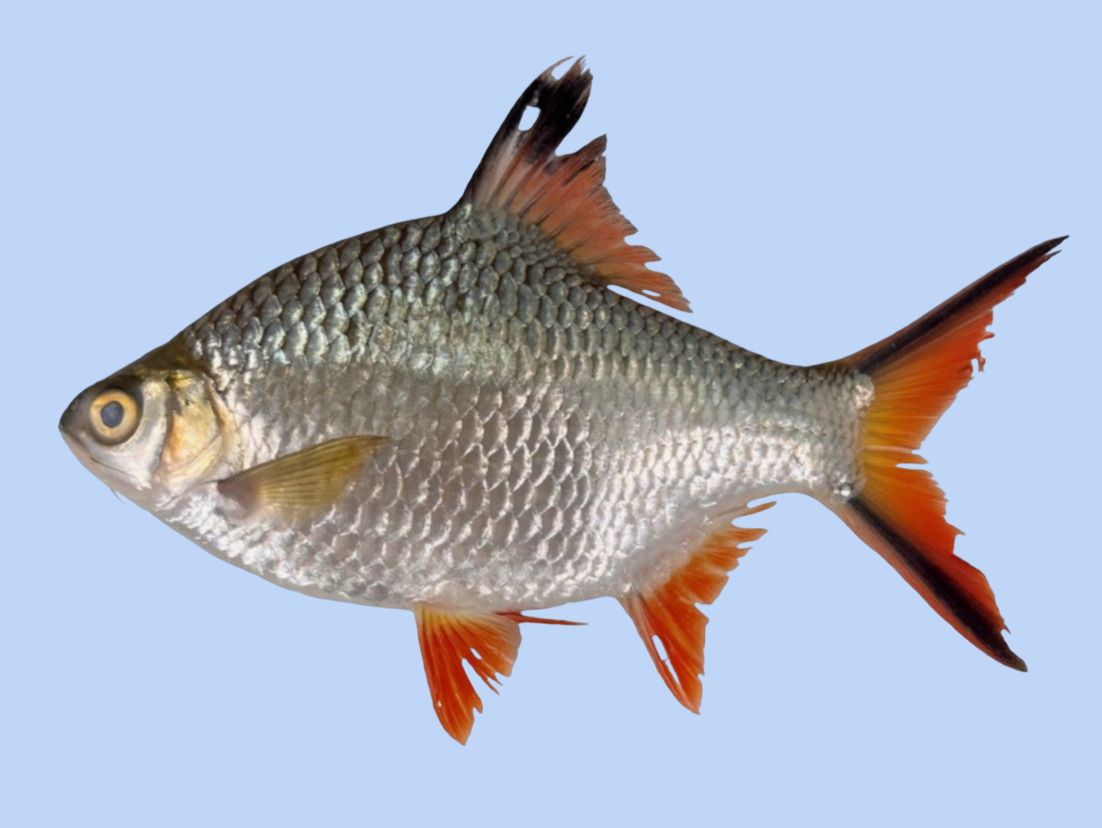

A shimmering silver fish, often seen in aquariums, has been discovered thriving in the wild in Laguna de Bay—raising red flags about the spread of invasive species in the Philippines’ freshwater ecosystems.

Researchers from Ateneo de Manila University have confirmed the presence of Barbonymus schwanefeldii, or the “tinfoil barb,” in the country’s largest lake. Their findings, published in the Philippine Journal of Systematic Biology, follow a detailed morphological analysis of a specimen caught in 2024.
Although native to Southeast Asia, the tinfoil barb is not indigenous to the Philippines. Its popularity in the pet trade stems from its fast growth and metallic sheen—but once introduced into the wild, it can disrupt delicate ecological balances. The omnivorous fish is capable of outcompeting native species for food and spawning areas, potentially accelerating the decline of already vulnerable freshwater populations.
While unverified sightings of the fish have circulated in the past, this is the first confirmed record of its presence in Laguna de Bay. Researchers noted the troubling possibility that the species may have already spread to nearby rivers.

“Although ours was the first confirmed sighting of B. schwanefeldii in Laguna de Bay, sightings have also been reported in nearby rivers such as in Pagsanjan, Laguna, and elsewhere,” said lead researcher Kent Elson S. Sorgon. “We hope that local authorities can help raise awareness and put in further monitoring efforts, not just for this but for other invasive species as well.”
The team emphasized that the introduction of tinfoil barbs could worsen the ecological pressures on Laguna de Bay, a crucial source of livelihood, drinking water, and flood control for millions of Filipinos. The lake is already facing issues such as pollution, overfishing, and sedimentation.
The authors cautioned that without urgent intervention, the proliferation of non-native fish species could repeat the destructive patterns seen with other invasives like tilapia and janitor fish—leading to biodiversity collapse and irreversible damage to aquatic ecosystems.
They called for stronger biosecurity measures, public education, and a national inventory of alien freshwater species to prevent future introductions. Without action, they warn, more species could silently enter Philippine waters and tip fragile ecosystems beyond recovery.
