




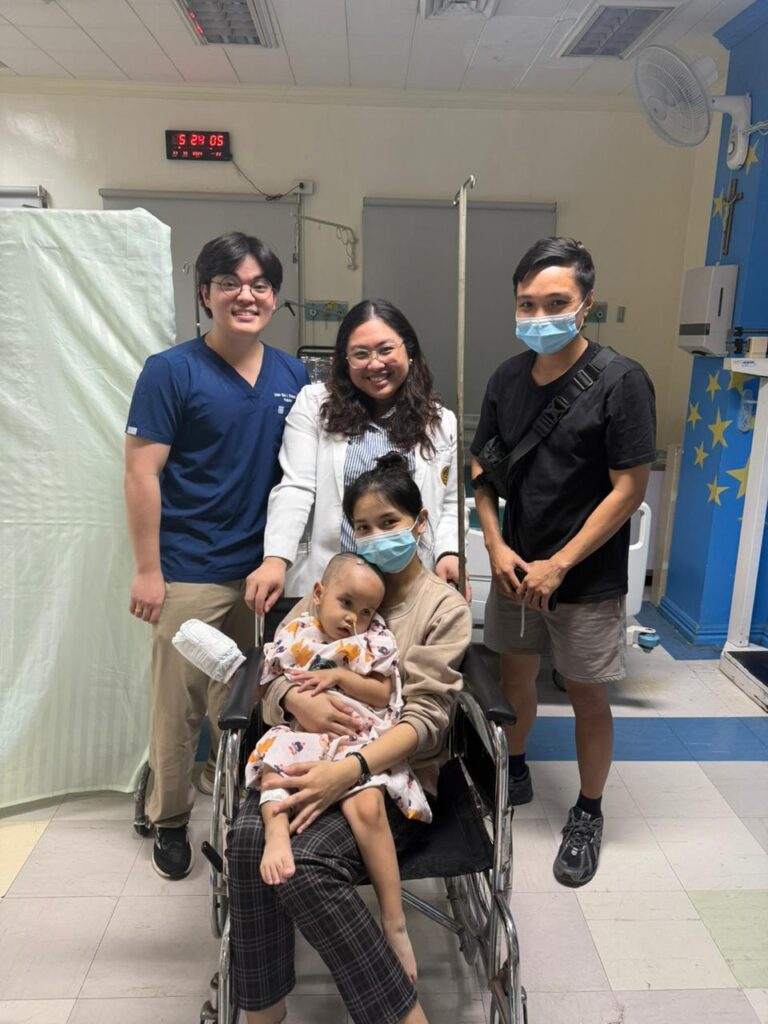
For the parents of Zariah Gonzales Parayno, each day inside a hospital room has become a test of endurance, faith, and urgency. Still a young child, Zariah—known to her family as Bembum—is fighting a rare and aggressive brain cancer while her mother and father search for ways to access treatment options not available in the Philippines.

In a statement shared with TGFM, her mother, Zaira Joy D. Gonzales, detailed how the illness first appeared not as a medical emergency, but as subtle changes that gradually worsened. She described noticing problems with her daughter’s balance in the second week of August, months after her birth month. Once active and physically stable, Zariah began limping, losing her footing, and falling unexpectedly while walking.


The situation escalated days later when Zariah suddenly began vomiting. According to her mother, “She woke up one morning and suddenly vomited. The vomit was clear and watery, with no color.” At first, the family suspected a minor stomach issue and chose to monitor her condition at home.
When the vomiting continued and her balance failed to improve, the family sought medical advice. After consulting a pediatrician and undergoing laboratory tests and an X-ray, Zariah was diagnosed with adynamic ileus and prescribed medication. Despite treatment, her condition deteriorated. “She continued to vomit, her balance worsened, and her appetite began to decrease,” her mother said.
Concerned that the symptoms pointed to something more serious, the family traveled to Cabiao, Nueva Ecija, to consult another physician. Zariah was admitted for electrolyte replacement and dehydration prevention, but even with adjusted medications and close monitoring, her symptoms persisted. Her mother recalled the growing fear during this period, explaining that nothing seemed to stop the vomiting or restore her daughter’s strength.
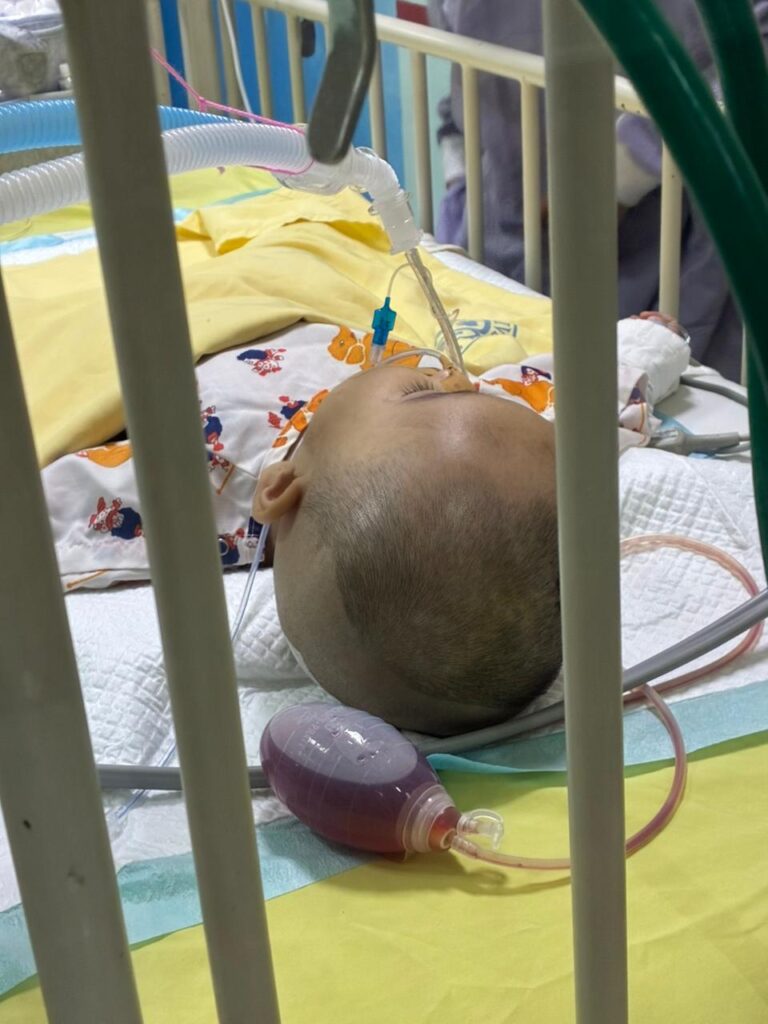
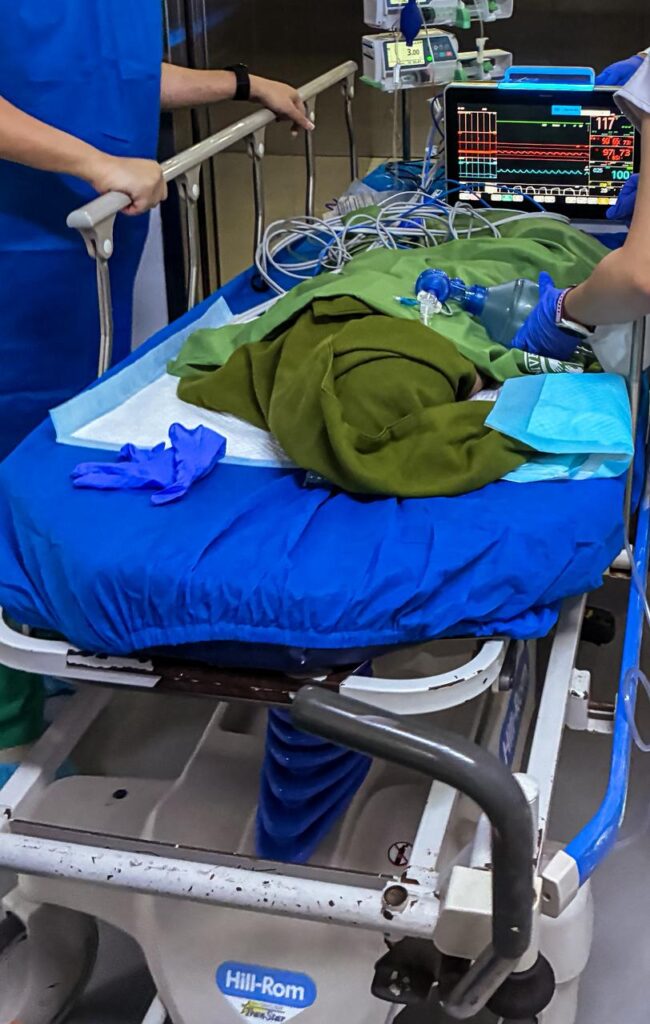
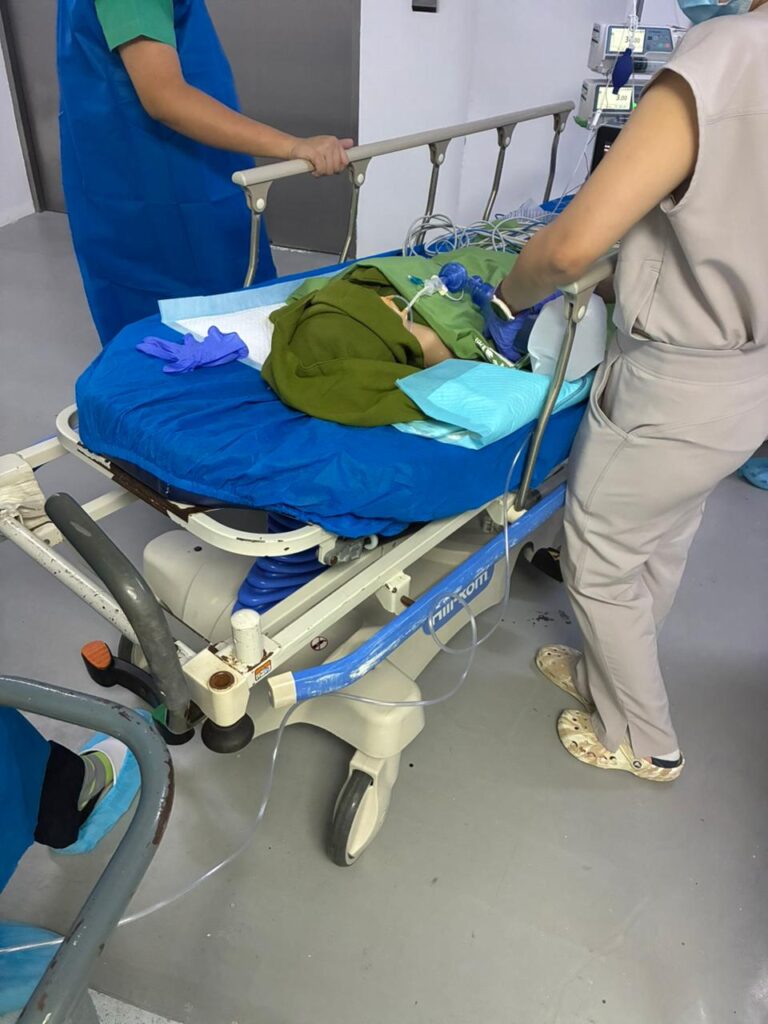
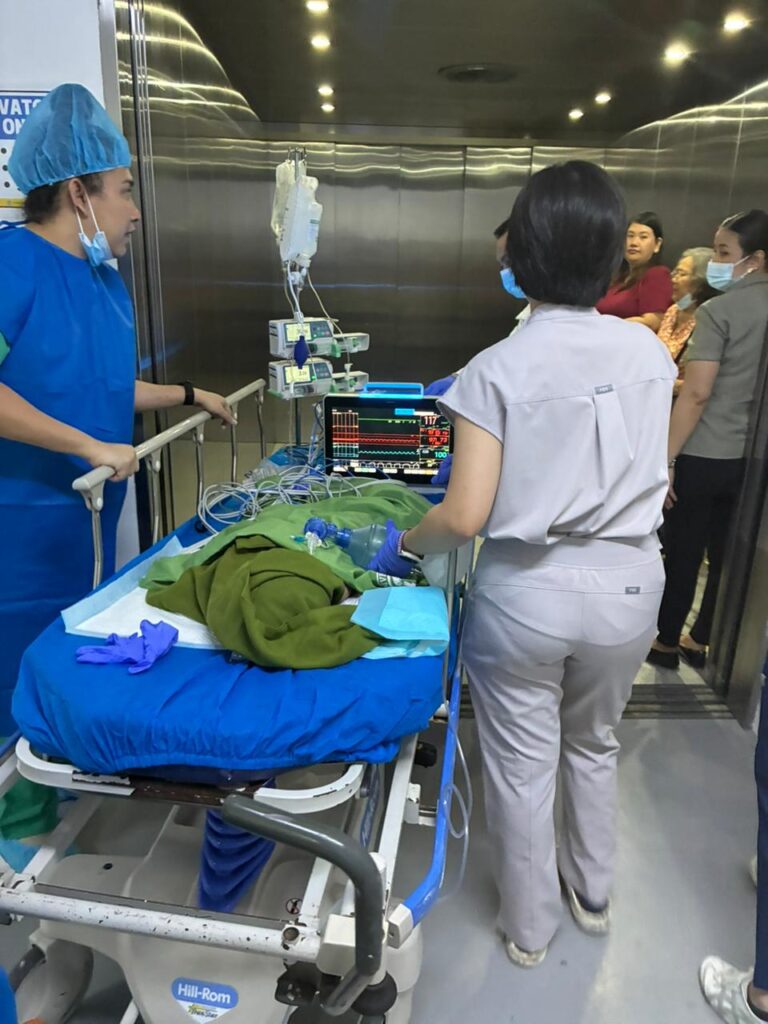
The family then requested further evaluation, believing the issue was no longer gastrointestinal. A referral to a neurologist followed, along with a recommendation for brain imaging. With no CT scan available locally, they made the decision to travel to Manila.
At the emergency room of Chinese General Hospital, Zariah underwent a CT scan that revealed a brain mass. “Hearing those words felt unreal,” her mother said. Financial limitations prevented admission to a private facility, and the hospital’s charity ward was full. Medical staff coordinated with other institutions until a charity slot was secured at the University of Santo Tomas Hospital, where Zariah was transferred the same day.
Specialists at UST Hospital confirmed that increased pressure from the brain mass explained her worsening symptoms. Surgery was deemed necessary. On September 22, Zariah underwent an emergency procedure to insert a ventriculoperitoneal shunt to drain excess fluid and stabilize her condition. After gaining strength, she underwent a second operation on October 6 to remove the tumor.

The biopsy results confirmed a diagnosis that reshaped the family’s reality: Atypical Teratoid/Rhabdoid Tumor (ATRT), classified as WHO Grade 4. Her mother described the impact of receiving the diagnosis, saying, “Learning that our baby was fighting such a rare and deadly disease was something no parent could ever be prepared for.”
Chemotherapy became part of Zariah’s treatment plan. Prior to induction, additional tests were conducted, including an MRI and a lumbar tap. These confirmed that the cancer had metastasized to her spine. Her oncologist later explained that spinal involvement significantly worsens outcomes. According to studies shared with the family, children diagnosed with ATRT with spinal metastasis have an average life expectancy of approximately eight months from diagnosis, even with aggressive treatment.
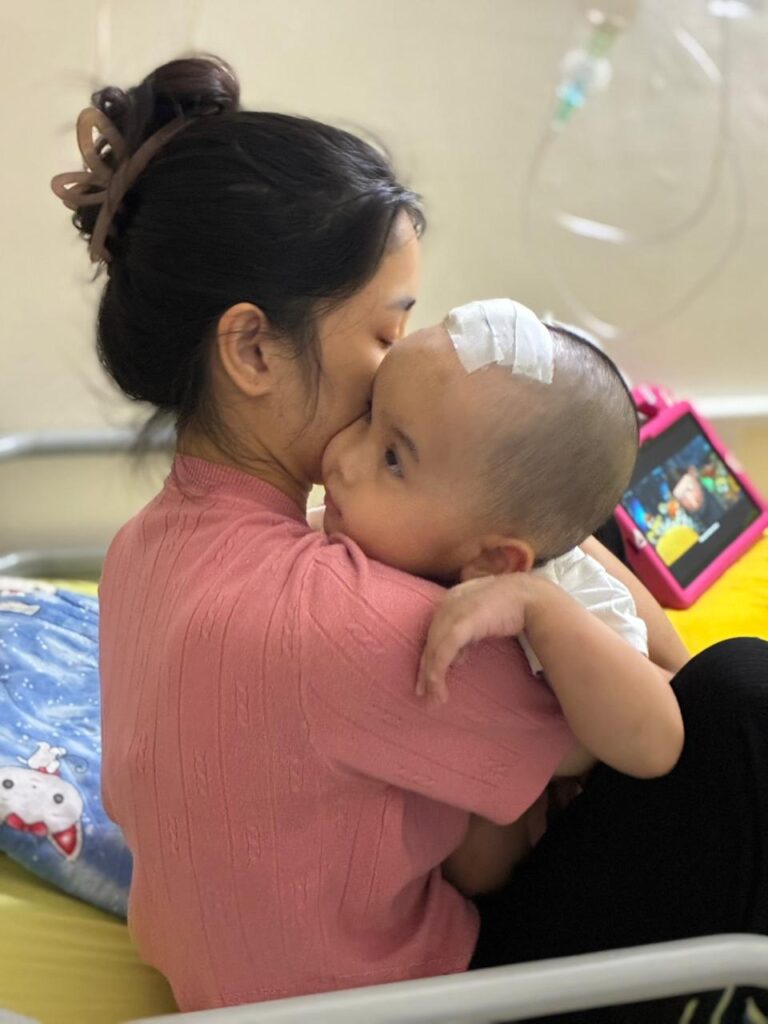
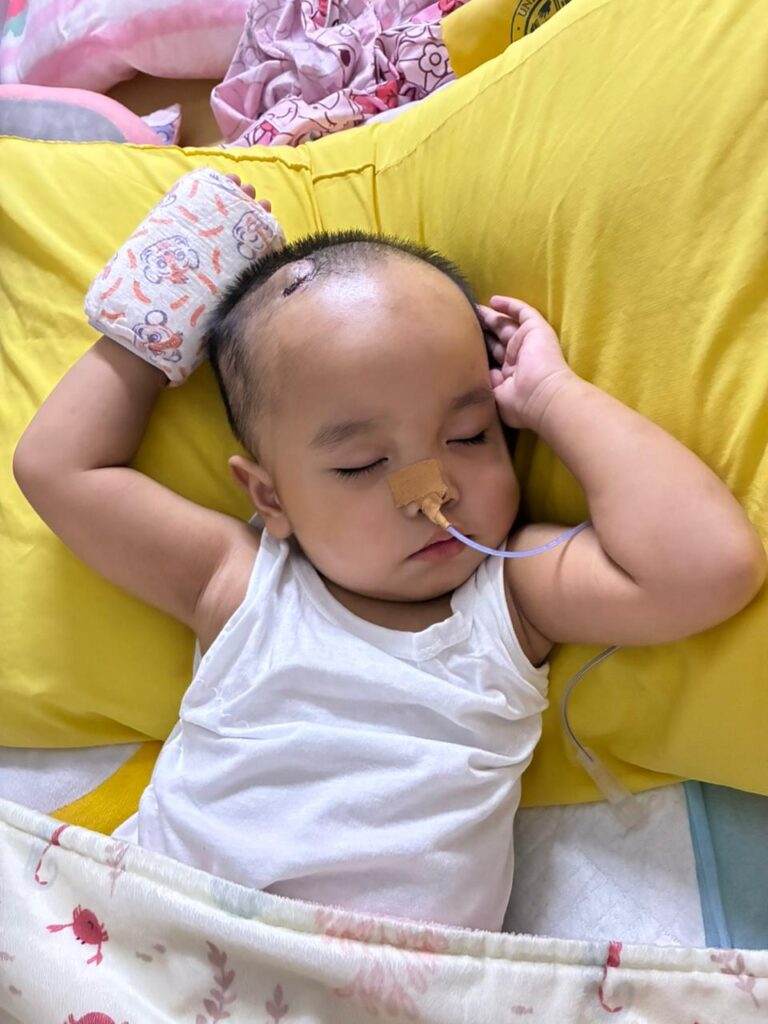
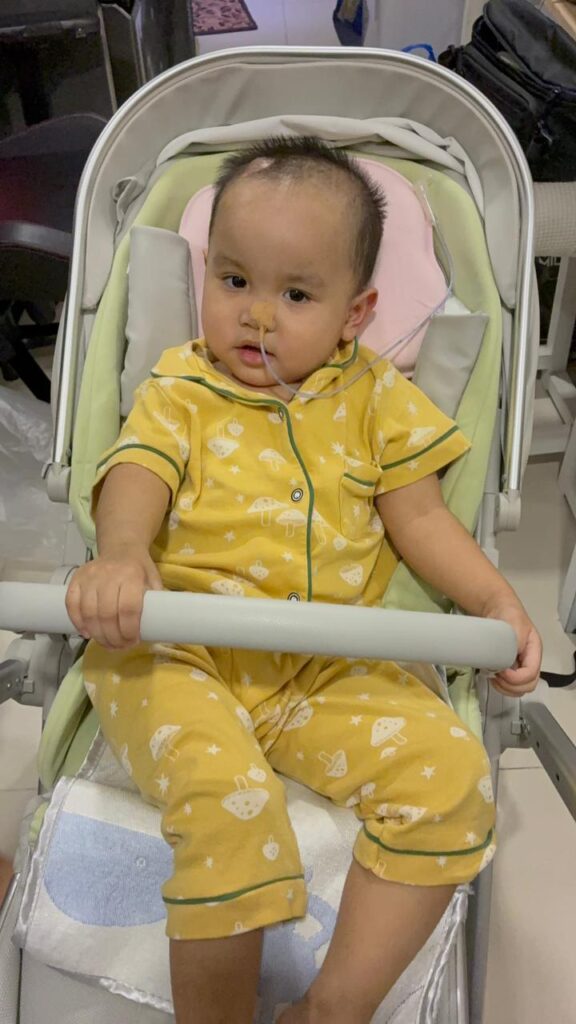
Despite this prognosis, the family refused to stop searching for options. Through independent research, they learned that advanced therapies such as Proton Beam Therapy, CAR T-cell therapy, and immunotherapy are used in other countries for certain aggressive pediatric cancers, but are not available in the Philippines. “We began searching for any treatment that could offer Zariah a better chance and improved prognosis,” her mother said.
As a result, Zariah’s parents are appealing for financial assistance to bring their daughter to a country with advanced pediatric oncology facilities, including Singapore. “Our only goal is to give our daughter every possible chance to live,” Gonzales stated.
Zariah Gonzales Parayno is currently admitted at the University of Santo Tomas Hospital in Manila, with admission dated January 9, 2026, under the care of Lynard Anthony Ignacio, MD. Her medical certificate confirms her diagnosis of Atypical Teratoid Rhabdoid Tumor of the central nervous system, her history of emergency ventriculoperitoneal shunt insertion, and an image-guided suboccipital craniotomy with C1 laminectomy for removal of a fourth ventricular mass in October 2025. She is undergoing induction chemotherapy and is also being treated for a urinary tract infection with antibiotics, anticonvulsants, steroids, and supportive medications. The certificate was issued on January 14, 2026 strictly for financial assistance purposes and not for medico-legal use.
For those who wish to extend financial assistance, the family shared the following details:
UNIONBANK
Account number: 109327386830
Account name: Zaira Joy Gonzales
GCASH
09542698380
Zaira Joy Gonzales
