



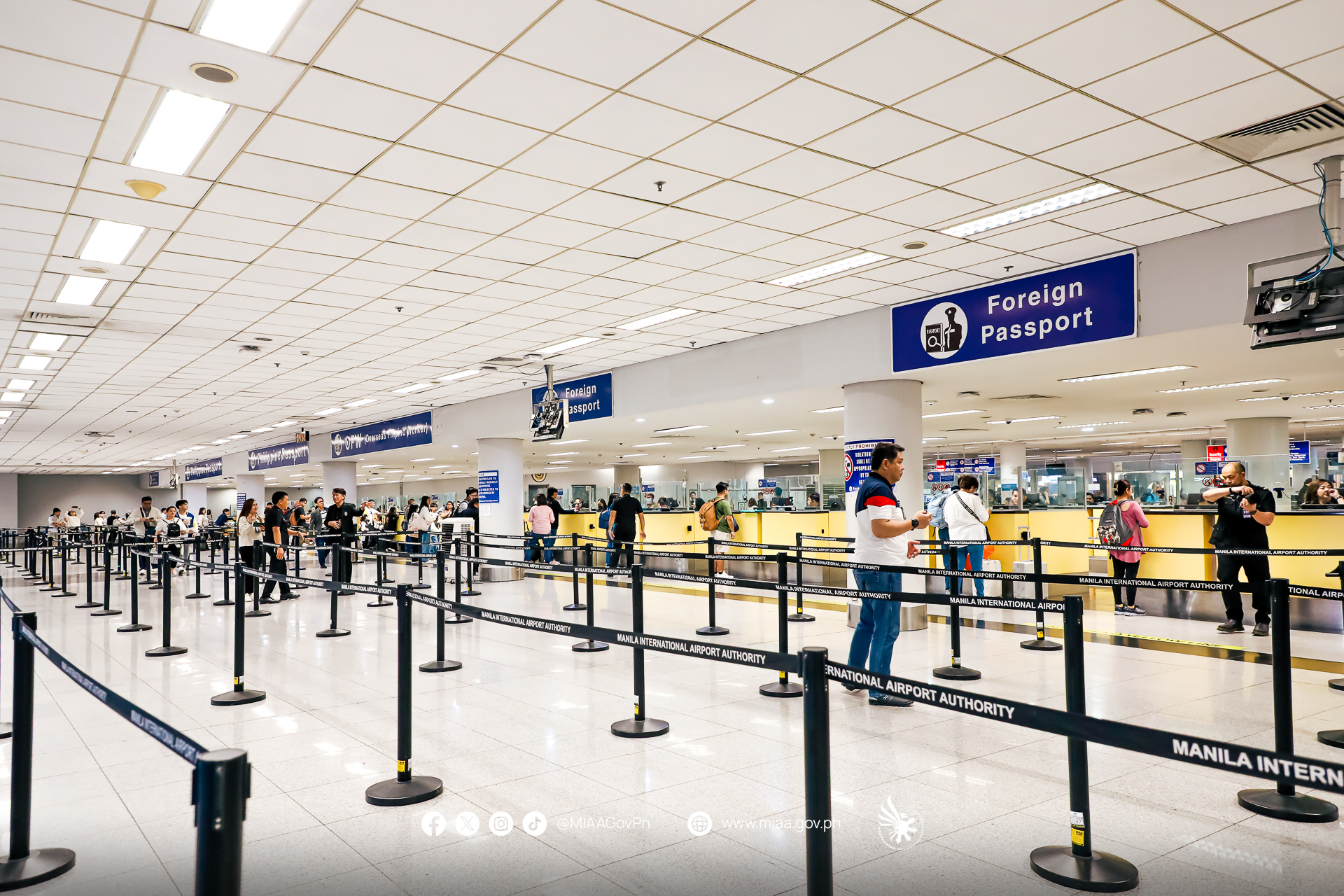

For many first-time Filipino travelers, the dream begins months before the flight: approved leave, newly bought luggage, and a sentimental “bon voyage” celebration with family and friends. But nothing crushes that excitement faster than being pulled aside at immigration — only to be told you can’t board your flight.

Offloading has become one of the most embarrassing and emotionally draining experiences for outbound Filipinos, especially for those who already held a send-off party. And while stories of “strict” immigration officers circulate online, travel experts say most offloading cases come down to one thing: document issues and mismatched travel details.
What really gets Filipino travelers offloaded?
Travel advisories and travel communities continually point to the same factors — not as opinions, but as observed patterns.
According to TripZilla Philippines, the biggest trigger is incomplete or questionable travel documents. This includes passports with insufficient validity, missing or doubtful visas, and the absence of a return or onward ticket. Something as simple as booking a return date that doesn’t match your declared travel purpose can raise an eyebrow.
“Immigration looks for consistency,” the advisory explains. “If your documents tell a different story from the one you’re telling, you’ll likely be sent for secondary inspection.”
The Poor Traveler, a popular Filipino travel guide, echoes this. They explain that immigration officers are trained to verify whether a passenger is a legitimate tourist, and inconsistencies — no matter how small — can trigger concerns.
Financial capacity and employment ties matter
Offloading doesn’t happen randomly.
According to Moneymax, many cases involve travelers who can’t sufficiently show proof of financial capacity or cannot clearly explain who is funding their trip.
For first-time travelers especially, IOs look for strong “ties to the Philippines” — such as steady employment, school enrollment, or business documents — to ensure the traveler is not attempting to work abroad illegally.
This is why someone who’s unemployed, travelling on “sponsorship,” or using funds they cannot explain is more likely to be questioned.
Human trafficking and illegal recruitment concerns
The Philippines ranks high globally in overseas employment, which forces immigration authorities to be extra vigilant.
According to Moneymax, suspicions of human trafficking or illegal recruitment are among the top reasons passengers undergo secondary inspection.
Someone travelling alone to lesser-known destinations, or a traveler with unusual ticket patterns (like one-way flights), may be scrutinized not because they did something wrong — but because they fit a “risk profile” used to detect trafficking.
Previous travel issues can follow you
According to legal commentary from Respicio & Co., travelers who have previously overstayed abroad, worked without proper documents, or have inconsistent travel histories may automatically be flagged. Even travelers with brand-new passports — and therefore no travel stamps — sometimes get questioned more thoroughly.

Why this matters to first-time travelers
Here’s the uncomfortable truth:
Many Filipinos get offloaded not because they’re doing something wrong — but because they’re unprepared.
A lot of first-timers simply assume a passport and a ticket are enough. They attend a send-off party, pack their bags, say goodbye to loved ones… only to face humiliation and heartbreak at the airport when immigration tells them they can’t board.
For OFWs’ families, honeymooners, barkada travelers, and solo adventurers, this can be emotionally devastating — and financially painful.
How to avoid offloading
Travel experts consistently emphasize one solution: Prepare your documents and ensure your story matches your papers.
Here’s a quick sanity check based on common patterns cited by TripZilla, The Poor Traveler, and Moneymax:
Make sure your passport has at least 6 months validity.
Bring a printed return ticket that matches your declared travel plans.
Keep your hotel bookings, travel itinerary, and tour confirmations accessible.
Have proof of funds or proof of your sponsor’s capacity (bank statements, COE, etc.).
If someone is sponsoring your trip, bring a notarized affidavit of support.
If you’re employed, bring your COE, approved leave, or business registration.
Answer questions honestly and consistently during inspection.
