



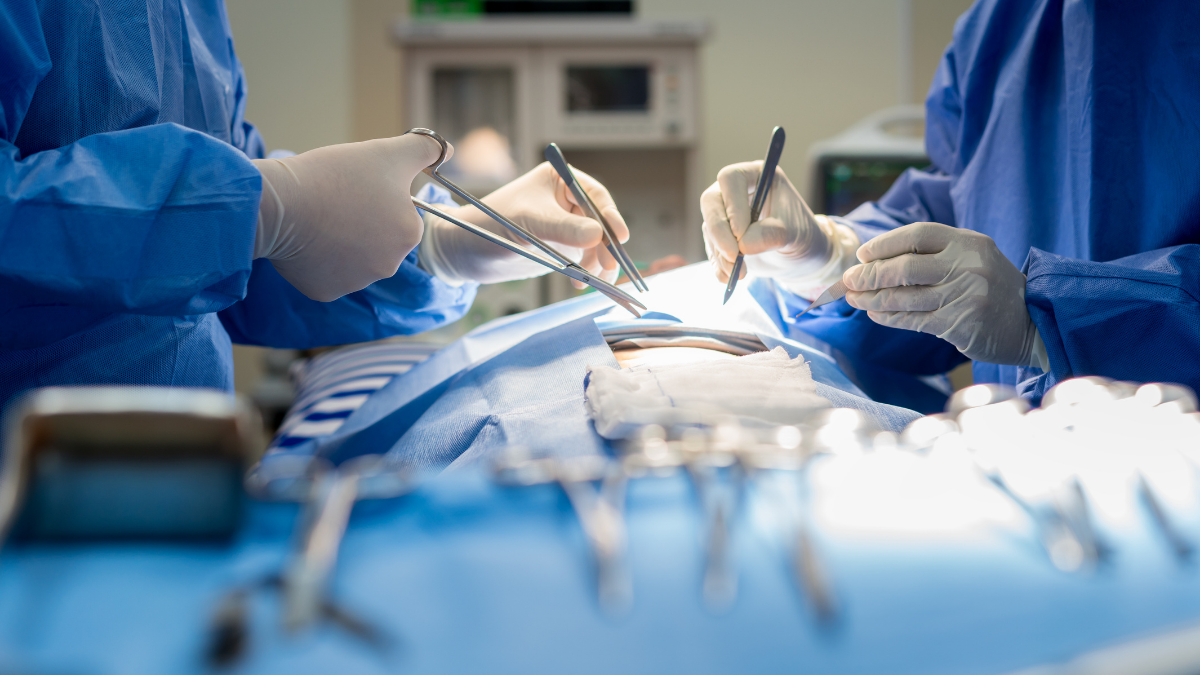

Sweeping changes to the UAE’s organ transplant framework now allow physicians to use animal-derived or laboratory-made organs in highly regulated circumstances, following the issuance of a new Federal Decree-Law that reshapes national legislation on organ and tissue donation.

The measure, which revises the title of the law to “Concerning the Donation and Transplantation of Organs and Tissues,” places the updated rules within the country’s broader push to modernise its health-care legislation and integrate emerging medical technologies such as 3D bioprinting and tissue engineering.
A central feature of the amendments is the formal definition of “non-human organs,” covering both animal organs and those manufactured through advanced biomedical processes. These may only be used when specialists determine they represent the most medically suitable option for a patient.
Strict controls accompany this expanded scope. No animal organ can be retrieved for transplantation unless the Ministry of Health and Prevention or the appropriate health authority grants a licence. Facilities involved in producing, storing or handling such materials must also meet stringent permitting requirements.
Before any procedure moves forward, expert physicians are required to verify organ safety and compatibility through a series of clinical and laboratory assessments. Patients — or their legal representatives — must receive full disclosure of known and potential medical risks, and written consent is mandatory. Each case must also be cleared by a designated committee tasked with reviewing transplant requests.

To support national oversight, the amendments call for the creation of a comprehensive database managed by the National Centre. This system will log every non-human organ used in the country, including biological profiles, clinical trial findings and documented safety information. The entire transplant process, from procurement to implantation, must be recorded in detail.
The UAE Cabinet has been authorised to determine procedures governing the transfer of non-human organs and tissues between local health facilities and in cross-border exchanges involving the UAE.
Violations of the law carry significant penalties, with individuals or facilities that fail to comply facing imprisonment or fines starting at Dh100,000 and reaching up to Dh2 million.
Officials say the strengthened framework is designed to keep pace with rapid advancements in organ manufacturing and biomedical innovation while safeguarding patients under a tightly controlled system.
