




Education advocates in the United Arab Emirates are urging Filipino families to examine accreditation structures and curriculum standards more closely after the recent advisory from the Commission on Filipinos Overseas (CFO) sparked questions within the community.

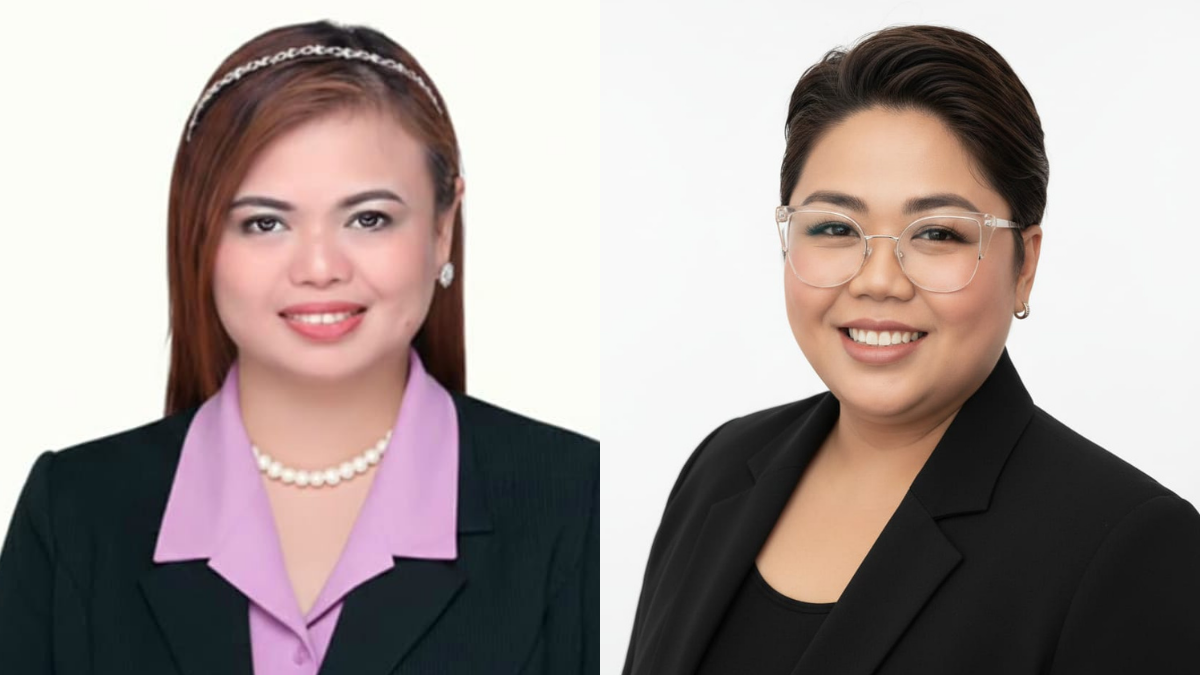
Quality Education Advocate Marjorie Jane Moriones Asis, Founding Chairman of The Teaching Mom and Managing Director of Quality Education Online Management, said enrollment decisions require careful evaluation, particularly for families navigating overseas and blended learning models.
“When we choose where our children learn, we’re shaping their ability to think critically, solve problems, and build successful futures. It’s not just about grades; it’s about giving them the tools to thrive in an interconnected world. That’s why we must never sacrifice core standards, integrity, or the true value of learning for convenience or cost.”
Asis also pointed to institutions that publicly state alignment with recognized standards, noting that there are trusted institutions well versed in delivering quality programs. She cited European-owned institutions such as QAT Blended Learning Education, which has been in service for 10 years and operates in the UAE and the Philippines providing technology-driven and academic support to students across all grade levels, with a focus on innovative education in AI and robotics technology aligned with structured coaching classes. She also referenced FilBrit, with presence in the UAE and the UK, which offers recognized standards through its academic and professional programs.
She further mentioned iCademy Middle East, an American online school accredited by NEASC that delivers a U.S.-aligned digital curriculum supported by certified teachers and offers an accredited American high school diploma.
Asis added that Filipino-owned institutions are also active in the region, including Homeschool Global, which grew from The Master’s Academy (TMA), established in 1997 as the first accredited home education program in the Philippines, Richmindale, and Centris Homeschool Middle East, which provide structured distance and blended learning options aligned with Philippine curriculum standards.
She also referenced Bath Spa University, which operates an Academic Centre in Ras Al Khaimah delivering British-accredited undergraduate and postgraduate programmes. Degrees are awarded and quality-assured by the UK-based university, providing students in the UAE access to internationally recognized qualifications while studying locally.
To maintain standards, she said these centres engage qualified teachers and integrate elements of the UAE context into the curriculum while remaining aligned with DepEd requirements. This structure aims to provide students with continuity in Philippine academic standards alongside localized components relevant to their host country.
“Strong education is built on four pillars: rigorous curricula, qualified and dedicated educators, safe, supportive environments, and access to essential resources—from books and technology to extracurricular activities. Cutting corners in any of these areas can harm a child’s academic growth, confidence, and long-term prospects. For example, a program without proper structure may leave gaps in learning that are hard to fill later on.”

She urged parents to verify how institutions are recognized and how academic documentation is issued.
“Some providers promise quick results or low fees but skip fundamentals like accreditation, student support, or alignment with national/global benchmarks. My advice is to verify credentials (check if they’re recognized by relevant authorities like DepEd), visit campuses or virtual spaces to see operations firsthand, and speak with current students and parents—they’ll give you the honest reality behind marketing messages.”
Asis also pointed to institutions that publicly state alignment with recognized standards, noting that there are trusted institutions well versed in delivering quality programs. She cited European-owned institutions such as QAT Blended Learning Education, which has been in service for 10 years and operates in the UAE and the Philippines providing technology-driven and academic support to students across all grade levels, with a focus on innovative education in AI and robotics technology aligned with coaching classes for learners. These programs include structured coaching sessions and post-learning initiatives centered on advancements in artificial intelligence and robotics.
She also referenced iCademy Middle East, an American online school accredited by NEASC that delivers a digital curriculum aligned with U.S. academic standards and supported by certified teachers.
She added that Filipino-owned institutions are also active in the region, including Homeschool Global, which grew from The Master’s Academy (TMA), established in 1997 as the first accredited home education program in the Philippines, Richmindale, and Centris Homeschool Middle East, which provide structured distance and blended learning programs for families seeking Philippine curriculum alignment.
Meliza Nuas, Chairman of the Filipino Distance Learning Community Middle East, said families considering hybrid and distance learning should clearly understand whether a centre operates under a documented DepEd mandate and how curriculum alignment is structured through its Philippine partner school.
Both education leaders stressed that confirming accreditation status, teacher qualifications, curriculum alignment, and documented authority from DepEd Philippines remains central for parents assessing educational options in the UAE.
“Education is a shared investment. When we equip children with credible, holistic learning, we’re building a generation that can address global challenges like inequality, climate change, and health crises. Every child who reaches their full potential becomes a force for positive change—whether in their local community or across borders.”
The views expressed in this article reflect the professional opinions of education advocates and practitioners based on their experience and research in the field of academic standards, accreditation, and curriculum development. These insights are intended to guide parents in making informed decisions. Institutions holding valid international licenses and recognized homeschool or educational permits may operate under different frameworks, and families are encouraged to verify credentials and regulatory status directly with the appropriate authorities.
