



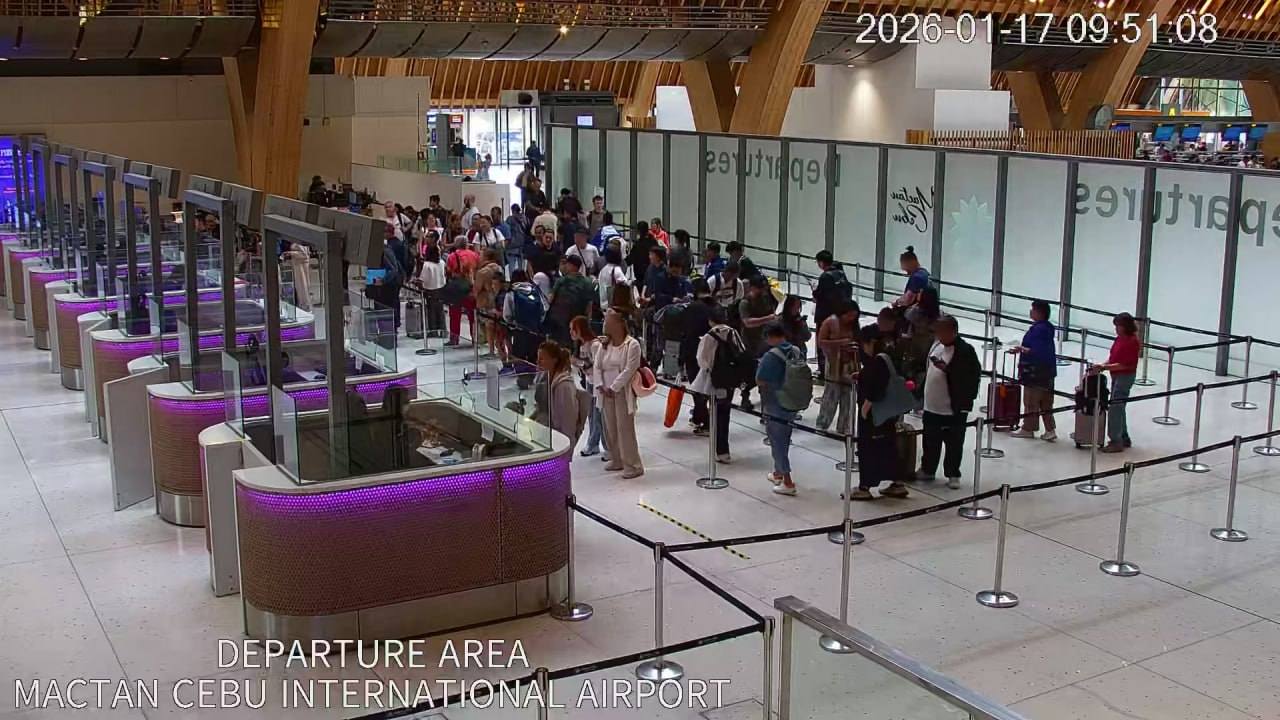

A proposal filed in the Senate is pushing to formalize compensation for Filipino travelers who incur extra costs after being barred from departing the country following extended immigration screening without judicial authority.

Sen. Raffy Tulfo introduced Senate Bill No. 1657 after his office received reports from passengers who said they missed flights due to lengthy pre-departure procedures at the Bureau of Immigration, often without receiving clear explanations or having their documents reviewed. According to the complaints, the offloading stemmed from uneven assessment practices that left travelers bearing additional expenses despite no fault on their part.
In filing the measure, Tulfo pointed to immigration interviews conducted under anti-trafficking efforts that, in some cases, extended long enough for passengers to lose confirmed flights even though no court order required their deferment or denial of travel. As a result, affected individuals were forced to pay for rebookings, accommodations, or other related costs.
Tulfo acknowledged that certain carriers, including Philippine Airlines and Cebu Pacific, sometimes offer refunds or rebooking options to offloaded passengers. He noted, however, that these arrangements are voluntary and not required under existing Civil Aeronautics Board regulations, leaving assistance dependent on airline policy rather than a uniform rule.

The proposed legislation builds on a provision already included in the General Appropriations Act since 2024, which allows travel expenses of passengers denied or deferred boarding without a court order to be charged against the Bureau of Immigration’s Special Trust Fund Account under the Department of Justice. Tulfo said the bill seeks to translate this budgetary provision into permanent law by establishing standardized and transparent guidelines for reimbursement, aligned with fiscal accountability requirements.
Under Senate Bill No. 1657, reimbursement would not apply to travelers who fail to present mandatory travel documents, including government employees subject to restrictions or individuals covered by an active court order. The measure also excludes passengers found with falsified or tampered documents, those identified as potential victims of trafficking, and individuals assessed as suspected illegal recruiters or traffickers under Republic Act No. 9208.
The bill assigns the Bureau of Immigration’s International Port of Entry and Exit Management Office at the airport or seaport where the departure was deferred to receive and initially evaluate reimbursement claims, which would then be forwarded to the Department of Justice–Inter-Agency Council Against Trafficking for determination.
