



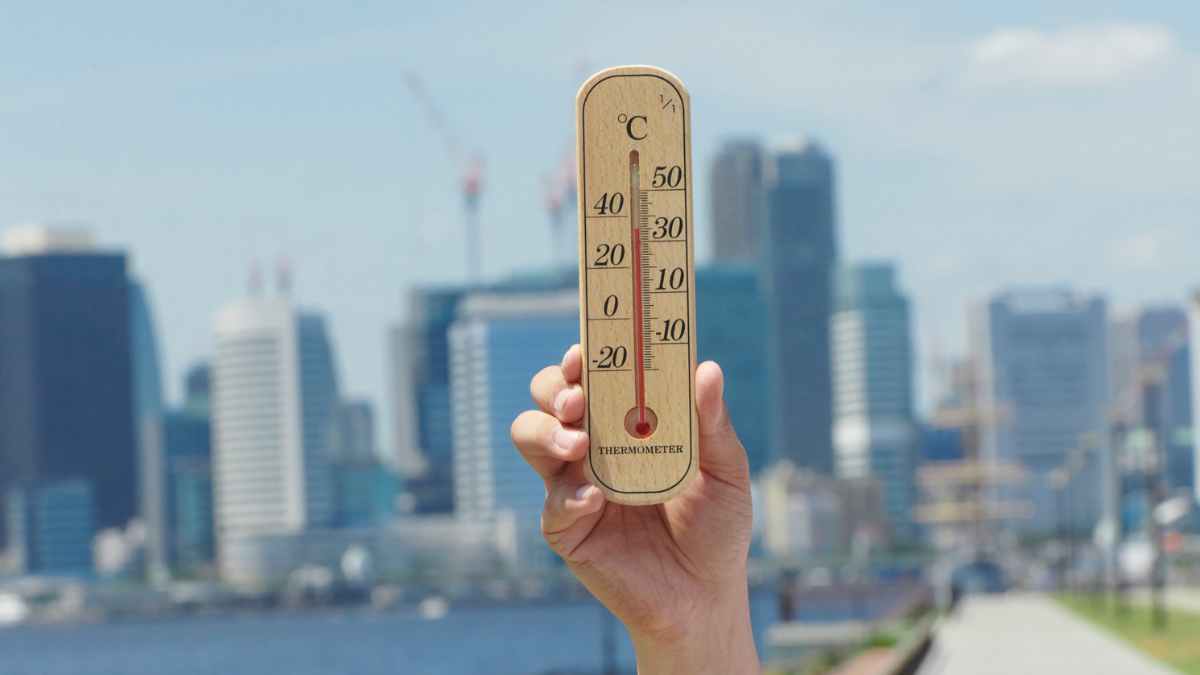

Repeated exposure to extreme heatwaves—now more frequent due to climate change—may be speeding up the ageing process, a new study has warned. Researchers found that people living in areas with prolonged high temperatures show signs of faster biological ageing compared to those in cooler regions, The Independent reported.

The study, published in Nature Climate Change, examined health data from nearly 25,000 adults in Taiwan between 2008 and 2022. Participants had an average biological age of 46 years. Scientists defined “rapid ageing” as the difference between a person’s biological age—how well their body is functioning at the cellular and organ level—and their actual chronological age. They found that long-term exposure to heatwaves was consistently linked to an acceleration in this biological ageing process.
Although communities showed some adaptation to recurring heat, the harmful health effects persisted. The research also highlighted that manual laborers, rural residents, and households without access to air conditioning were the most vulnerable. “Here we analysed data from 24,922 adults in a longitudinal cohort in Taiwan and used linear mixed models to show heatwaves accelerate ageing,” the researchers explained.
The findings underline the need for stronger public policies to reduce environmental inequalities, boost heat resilience, and provide better healthcare support for at-risk groups.

Beyond physical health, heatwaves are also taking a toll on mental well-being. Dr. Ravi Gill, a psychologist interviewed by The Independent, explained that prolonged high temperatures can disrupt neurotransmitters like serotonin, impair sleep, and raise cortisol levels—all of which regulate mood and impulse control. “Lingering discomfort and environmental stress strains emotional resilience, making even minor irritants feel overwhelming,” Gill noted.
He added that heatwaves worsen sleep quality by preventing the body from cooling down at night, leading to reduced emotional regulation and heightened anxiety. They may also impair focus, memory, and decision-making, particularly when combined with dehydration.
The study’s authors stressed that urgent action is needed, warning that the combination of extreme heat and high humidity could be especially dangerous for older adults who lose their ability to regulate body temperature effectively. Meanwhile, mental health experts say addressing both the physical and psychological consequences of heatwaves will be critical as climate change continues to intensify global heat extremes.
