





Some careers begin with certainty, others with slow discovery, and some grow from a quiet instinct to put one’s inner world into words. In the case of one Filipino writer building a voice across continents, poetry became both compass and anchor. His work, drawn from memory, migration, and the pulse of home, has found its place on global stages—and in doing so, it carries a piece of the Philippines with it each time.

Meet Ryan Caidic, a Filipino poet gaining international acclaim for work that explores identity, belonging, and the intricacies of Filipino life abroad. Born and raised in the Philippines, he later moved to Germany before settling in Denmark, where he now resides with his wife and two children. From Europe, he continues to write about the home he left, the community he carries, and the memories that shape him. “Diaspora probably figures in 70% of my work,” he shares with TGFM. “Moving abroad changes you. It’s like this ‘out-of-body’ experience, but I think it’s more life-changing because it’s an ‘out-of-country’ experience. From a distance, I’m able to see our country more clearly, both its beauty and its wounds.”
Rising Filipino voice on global literary stages
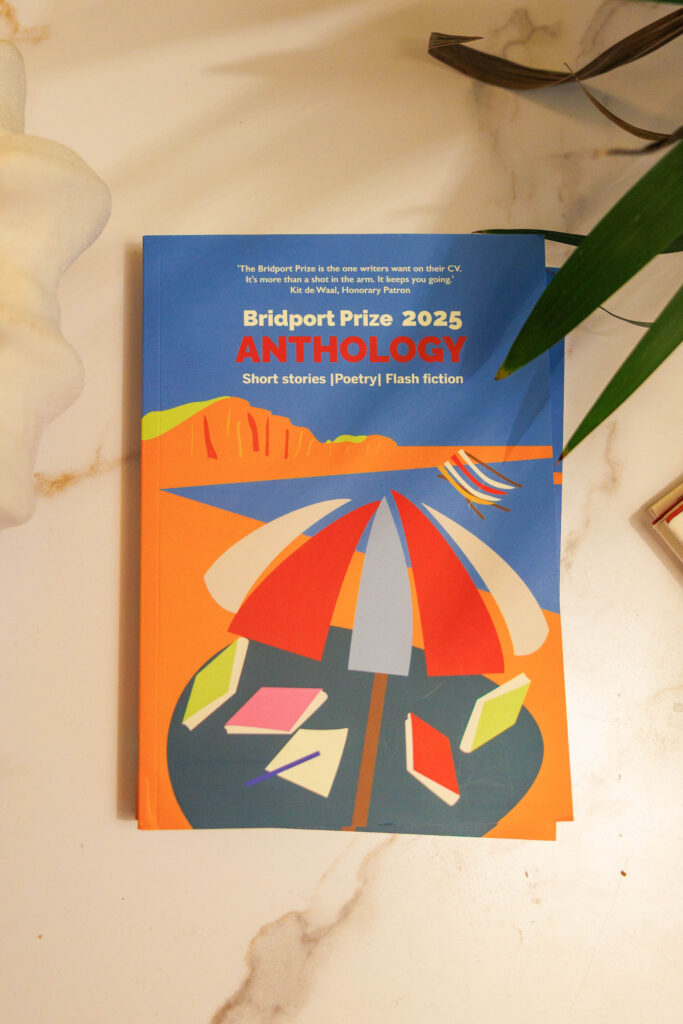
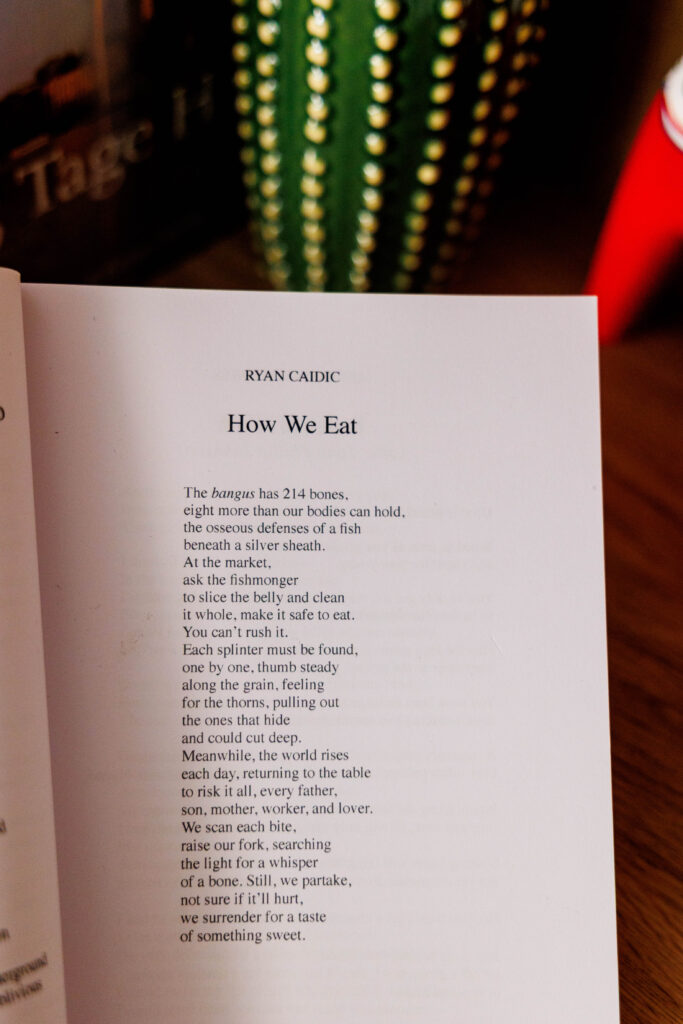
In 2025, the global poetry world witnessed a remarkable run from Ryan, who in the span of a year earned some of the most coveted recognitions in international literature. In October, he was Highly Commended in the 2025 Bridport Prize for Poetry, one of the world’s largest literary competitions, with over 11,000 submissions annually. He was the only Filipino recognized this year, joining a list of celebrated international writers. The Bridport judges praised his poem How We Eat for its depth and restraint, calling it “quietly powerful in the way it takes an everyday act of preparing and eating fish into a meditation on care, patience and risk… celebrating the courage and hope in simply going on.”
Earlier in March, he won the International Poetry Prize at London’s inaugural Bermondsey Literary Festival, making him the first Filipino to receive the top award. “Winning the International Poetry Prize for the first ever Bermondsey literary prize in London was just as surprising and humbling,” he says. “I’m thankful to be raising the Philippine flag on these two occasions.” The winning poem, Rules for Leaving, shares Filipino traditions and superstitions surrounding death, told through a deeply personal lens. It reveals how these unique funeral customs—though often seen as strange—can give order and physical structure to grief, offering meaning amid loss.

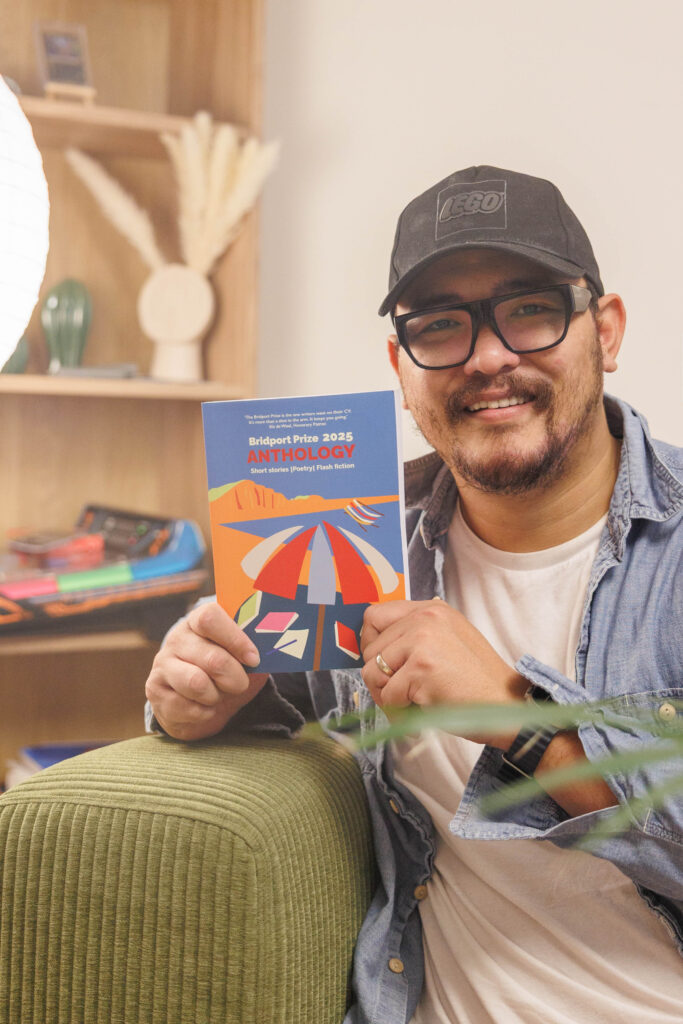
His success extended across Europe, earning recognition at the Chesham Literary Festival and shortlisted honors from the Alpine Fellowship Poetry Prize, Ironbridge Literary Festival, South Warwickshire Literary Festival, Beyond Words in Italy, and others. His work also appears in respected journals including Breakwater Review, Southword, Southeast Review, Poetry Wales, and Mobius: The Journal of Social Change.
In a quiet but profound milestone, Ryan recently received an email from the Carlos Palanca Foundation notifying him that he won in the Poetry (English) category this year—bringing his achievements full circle. “It felt full-circle to also be recognized by the Carlos Palanca Memorial Awards this year,” he reflects. “After getting all of these honors abroad, it’s meaningful that the poems I have about home have finally come home in the literal sense.”
Finding meaning in the everyday
At the heart of Ryan’s creative success is a commitment to write from the familiar. His celebrated piece How We Eat offers a glimpse into this philosophy. “I always start from what I know and what’s familiar,” he shares. “How we eat is a tribute to the Philippine national fish and what must be a meticulous process to debone by hand. It’s also a metaphor to the risks we take in life, where every bite is a leap of faith that it will all work out in the end.”

He believes everyday moments hold extraordinary meaning, especially for those far from home. Many of his works touch on what it means to carry culture abroad—through memory, language, and acts as simple as a meal. “The world is a busy place,” he says. “You’ll never run out of things to write if you can only listen.”

He also acknowledges that creativity ebbs and flows. After finishing a manuscript for his US publisher, he experienced months of writing block. “One night, after dinner, How we eat just poured itself out on a page. I realized that sometimes, the best tip to solve a writer’s block is to not solve it at all. It might just be your brain giving you space to reset, or more time to observe and reconnect to the things around you.”
Carrying Filipino identity through poetry
Ryan’s work is deeply rooted in Filipino culture and the migrant experience. “Writing becomes a way to celebrate it, question it, and always carry it with me,” he explains. And while many Filipinos express their stories through music or film, he found his calling in verse. “I’ve always known I wanted to be a writer,” he says. “Poetry appealed to me because even if it can be such a short artform, it can distill a whole story into a few lines. A stanza can conjure a lifetime.”
His passion for poetry stems not only from artistry, but from purpose. “I just want to add my contribution together with all the writers out there who continue to give their voice to our stories,” he notes. “Filipinos have so much to offer that deserves to be heard.”
In 2026, he will release his debut poetry collection 50 Ways Home with Fernwood Press in the US—a book blending poems and photographs that explores identity, memory, and the meaning of home across borders.
As Ryan’s journey continues, he remains grounded in the culture that shaped him and motivated by the community he represents. “I’m just grateful every time our culture is being shared on the global stage,” he says. “Being the only Filipino recognized in this year’s Bridport Prize means a lot.”
For Filipino creatives everywhere—whether writing in quiet rooms, working abroad, or carrying stories across oceans—his accomplishments serve as a reminder that the Filipino voice is not only present in global literature, but rising.
And in Ryan’s words, the work continues. “I love the challenge of poetry,” he says. “To say more with less.”
