



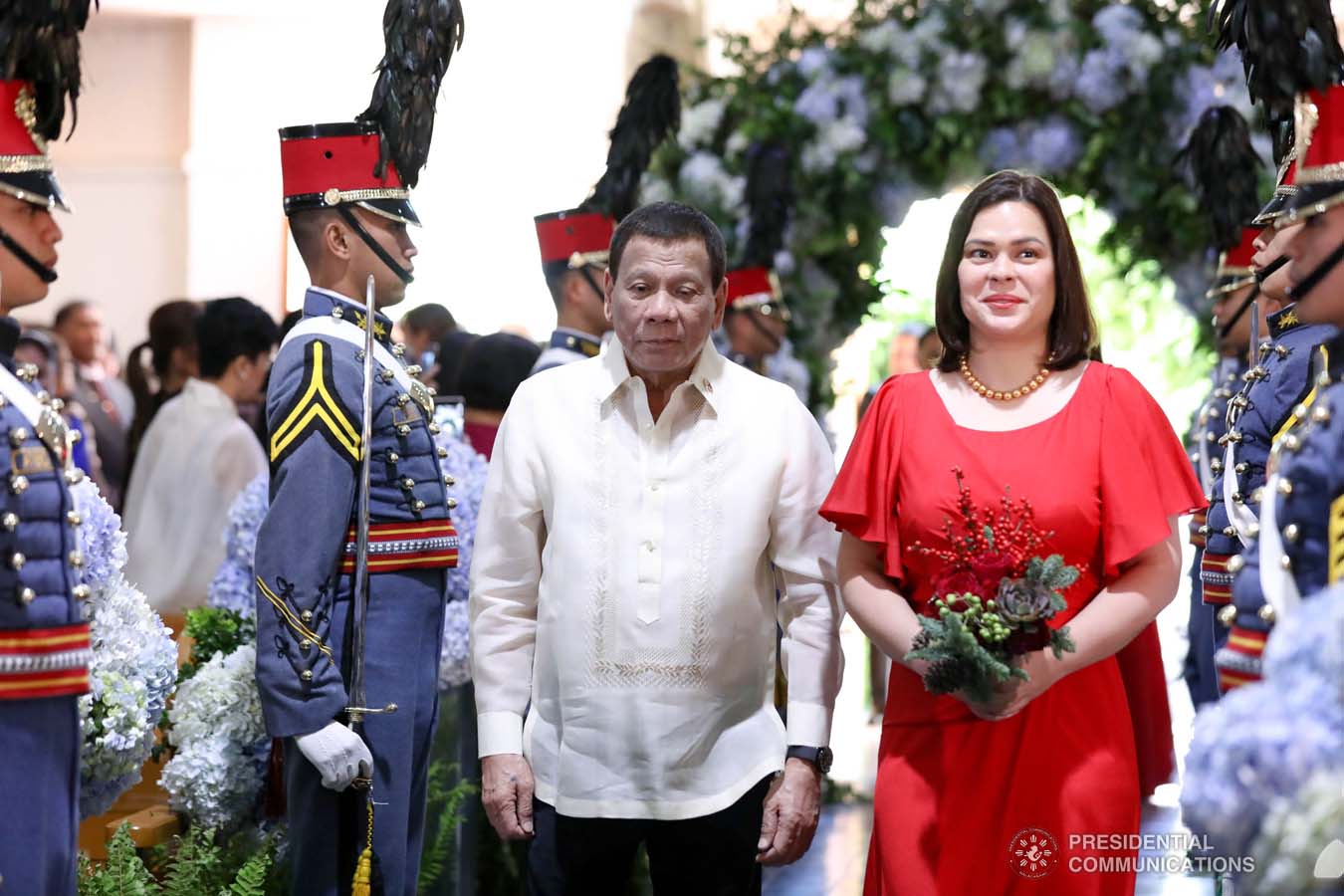

Vice President Sara Duterte revealed over the weekend that a third country has already consented to receive her father, former president Rodrigo Duterte, who is detained in The Hague for alleged crimes against humanity linked to the bloody war on drugs.

Speaking before Filipinos in Japan, the Vice President said she personally negotiated with foreign contacts to secure a host country, stressing that she could not rely on anyone in the Philippines.
“Kung makikita niyo sa ICC (International Criminal Court) website, meron ng third country doon. Meron ng isang bansa na nagsabi na ‘Okay lang,’ na ‘Dito ninyo ilagay si Dating Pangulong Rodrigo Duterte’,” she told the crowd on September 20.
She clarified that the country is not Japan, while Australia had earlier declined the request. She also admitted the process took time because of the difficulty of negotiating directly with governments. “Medyo natagalan ang pag-file namin ng interim release dahil kinausap pa namin at naghanap pa ako ng tutulong sa akin dahil wala akong mapagkakatiwalaan doon sa Pilipinas,” she explained.

The request for interim release was first filed by Duterte’s lawyer, who argued that the former president does not meet the conditions for pre-trial detention and poses no flight risk. One of his legal counsels, Nicholas Kaufman, previously described his detention as “illegal” and urged his immediate return to the Philippines.
However, the ICC Office of the Prosecutor opposed the bid, citing Duterte’s rejection of the tribunal’s legitimacy and the need to ensure he appears at trial. It also stressed the importance of preventing interference with witnesses and ongoing investigations.
Two Philippine organizations assisting drug war victims echoed this stance, warning that Duterte’s influence could endanger witnesses and obstruct accountability.
The former president, who has said he will take full legal responsibility for his anti-drug campaign, was transferred to The Hague in March. Official police data record 6,000 deaths from the campaign, while human rights groups place the figure at up to 30,000, including vigilante-style killings.
