



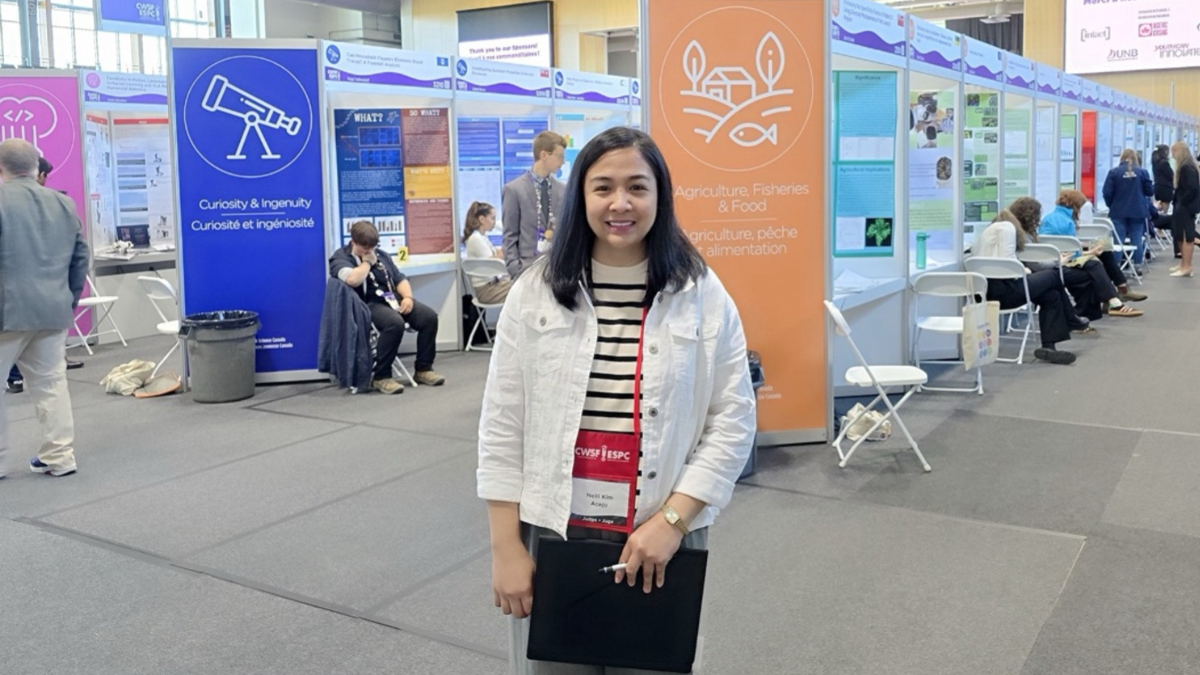

A decade ago, she thought she already understood exactly where her teaching career was headed—until a major shift pushed her to rebuild everything from the ground up in a new country. Nelli Kim Sia Acejo remembers that moment clearly: the uncertainty, the questions, and the determination that slowly replaced the fear. She didn’t know then that the journey would lead her not only across borders, but into leadership roles she never imagined when she first stepped into a classroom in the Philippines.

Today, Nelli is a high school mathematics teacher at Abraham Lincoln High School under the San Jose Unified School District in California. The role sounds straightforward on paper, but her story is anything but typical. It stretches from Zambales to Vancouver, from British Columbia to California—years of re-certifications, graduate studies, late-night lesson plans, childcare adjustments, and a consistent refusal to give up.
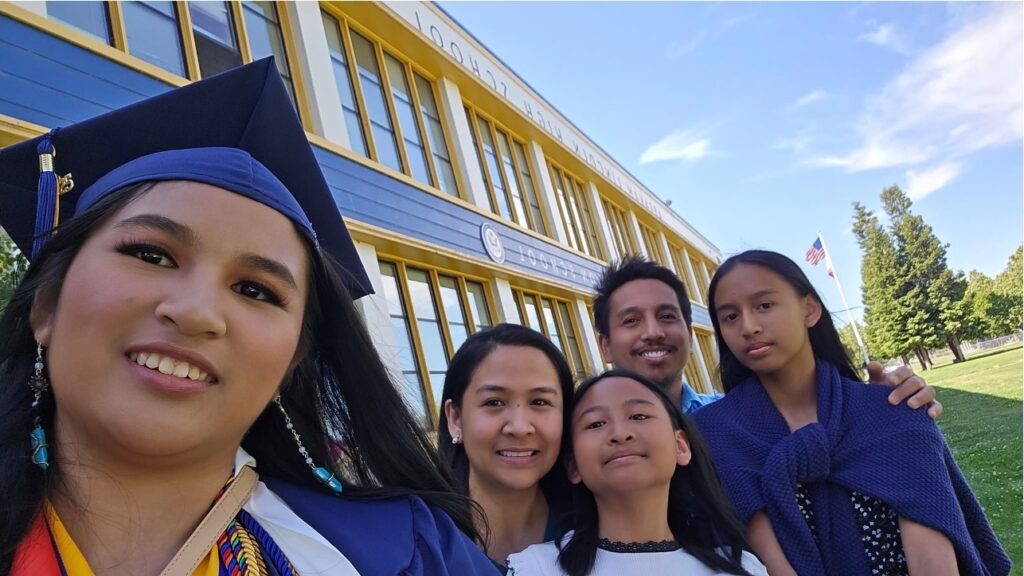
In sharing her story, she repeatedly circles back to the same belief: everything she does—from teaching algebra to founding an association for Filipino educators—is anchored on the idea that education transforms lives. And not just her own.
Building a life in a new country
Nelli was already an educator in the Philippines long before migrating abroad. She began as a department secretary for a college of engineering, but even then she was preparing for something more. She passed the Licensure Examination for Teachers for Secondary Mathematics, earned a Master of Arts in Education in 2011, and completed a Doctor of Education in 2014. During those years, she also served as a regional trainer during the rollout of the K-12 curriculum.
When she moved to Canada with her family, she expected a smoother transition. Instead, she discovered that being an internationally educated teacher in British Columbia required navigating strict processes. “My adaptability and resilience were immediately put to the test,” she shared with TGFM. She spent months researching teacher regulation pathways, comparing requirements across provinces, and figuring out how to re-enter the profession she worked so hard to build in the Philippines.
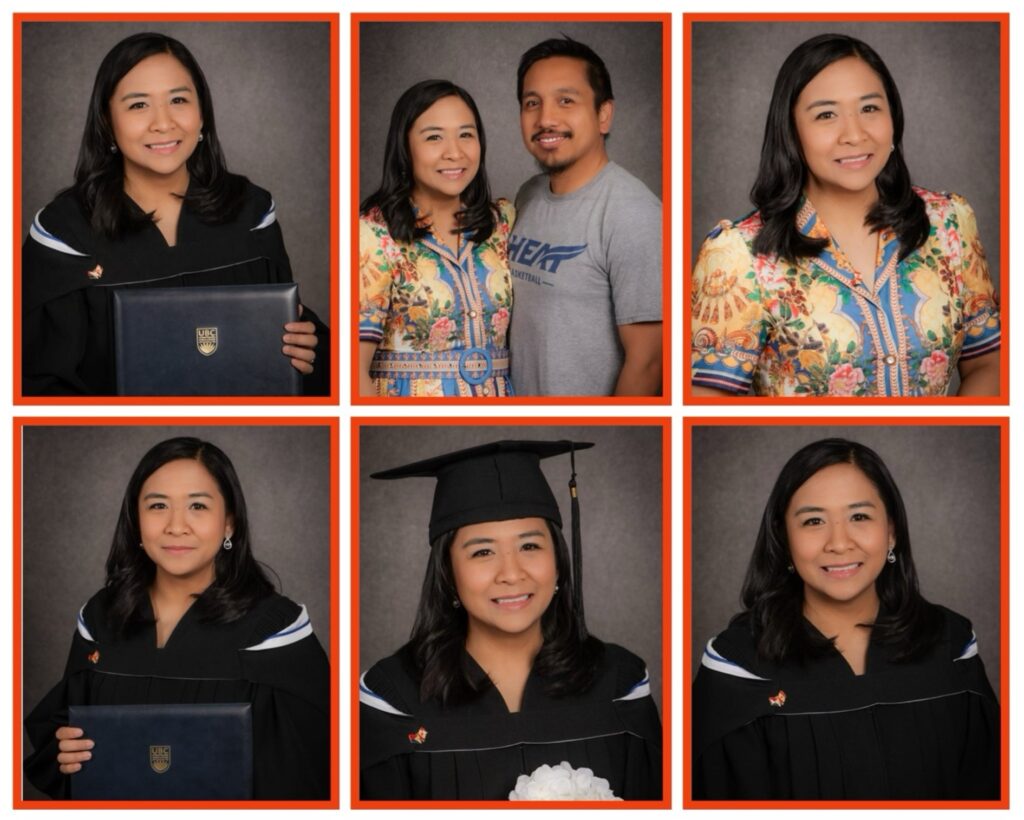
She eventually found a path through a 16-month Post-Degree Bachelor of Education program at the University of British Columbia – Okanagan. It was an intensive course load with major financial considerations, but she earned a bursary and completed the program in just over a year.
Her first major role abroad was as a college mathematics instructor at Northern Lights College in Fort St. John, but after earning her certification, she moved into the K-12 system and taught in the Central Okanagan School District. She describes her early Canadian years as equal parts fulfilling and demanding—a time of learning, adaptation, and constant professional recalibration.
“It was a family move at first,” she explained, “however, once established, I proactively sought to align my career with my previous experience as a Licensed Professional Teacher in the Philippines.”
That intention shaped the next decade.
Finding purpose in every transition
By the time Nelli began teaching in California, she had already validated her credentials three times—first in the Philippines, then in Canada, and now in the United States. Many would have been satisfied simply securing a stable teaching role abroad, but Nelli continued studying. While teaching full-time in San Jose, she completed a Master of Education online through the University of British Columbia.
“I aspired to become a certified K–12 teacher,” she said, and once she achieved that, she pressed forward again—conferences, speaking engagements, judging competitions, scholarly publications, and eventually founding a national association for Filipino educators in Canada.
What kept her going wasn’t just ambition, but a deep understanding of how difficult the journey can be for teachers who start abroad with limited information and limited support. She had struggled with the same hurdles—transcripts, provincial requirements, financial obstacles—and she remembered how isolating it was.
Those early hardships eventually became the foundation of her advocacy.
Speak to Nelli about math and her tone changes. She softens when she talks about students and lights up when she remembers the times they told her she inspired them not to give up. She admits that math is intimidating for many young learners, but that challenge is precisely what makes the job meaningful.
“I initially chose the field of education because I believe in the transformative power of learning, particularly in a subject like mathematics, which many students find challenging,” she said.
Her classroom in San Jose includes students from many backgrounds—immigrants, multilingual learners, and students navigating circumstances far more complicated than math equations. She sees a direct connection between diversity in the classroom and diversity among teachers.
“What I appreciate most about my current role is the opportunity to work in a culturally rich environment, connecting with students from diverse backgrounds,” she shared.
Her reward often comes later—years later—when former students return and tell her that her persistence changed the way they saw themselves.
“The most satisfying aspect of my work is the long-term impact I have on my students’ lives,” she said. “There is no greater reward than when former students return … to share that my persistence and refusal to give up on them fostered a genuine appreciation for math.”
She uses the phrase “growth mindset” often—and not in an abstract sense. She lives it.
The association she wished existed when she first started
Perhaps the clearest example of that mindset is the organization she founded: the Filipino Canadian Educators Association of Canada. What started as a Facebook group eventually became an officially registered association that helps Filipino educators navigate the rigorous provincial certification system.
“I established an official association … to provide comprehensive support and resources to aspiring Filipino educators,” she explained.
Members share advice, connect through mentorship, and support one another throughout the entire certification process—from documents to preparation to job placement.
The most touching part of this advocacy is that she built it at a time when she herself was still adjusting, still studying, still juggling motherhood and professional responsibilities.
Seeing educators who once doubted themselves finally earn certification is what keeps her going. She describes the experience as “profoundly heart-warming.”
Working abroad isn’t just about careers—it’s about identity, resilience, and learning how to rebuild an entire support system from scratch. Nelli describes her early years in Canada as a period of constant adjustment, especially when it came to family life.

“The primary struggle I faced was the lack of a clear pathway and support system,” she said.
Without relatives nearby, she and her husband handled childcare alone while also studying and working. “My husband and I worked collaboratively to create a schedule that accommodated both dropping off and picking up our children,” she shared.
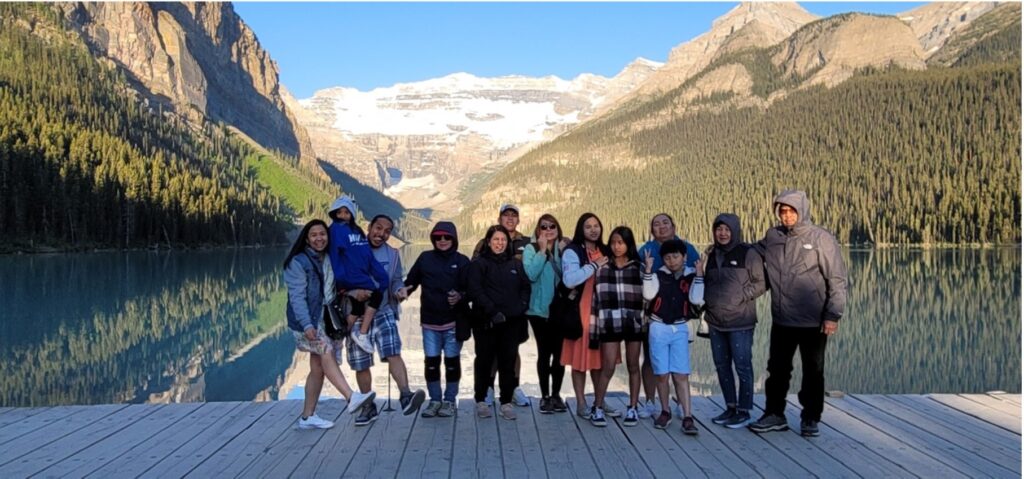
In that period, time became precious currency—every hour counted. Success meant being both a full-time mother and a full-time educator.
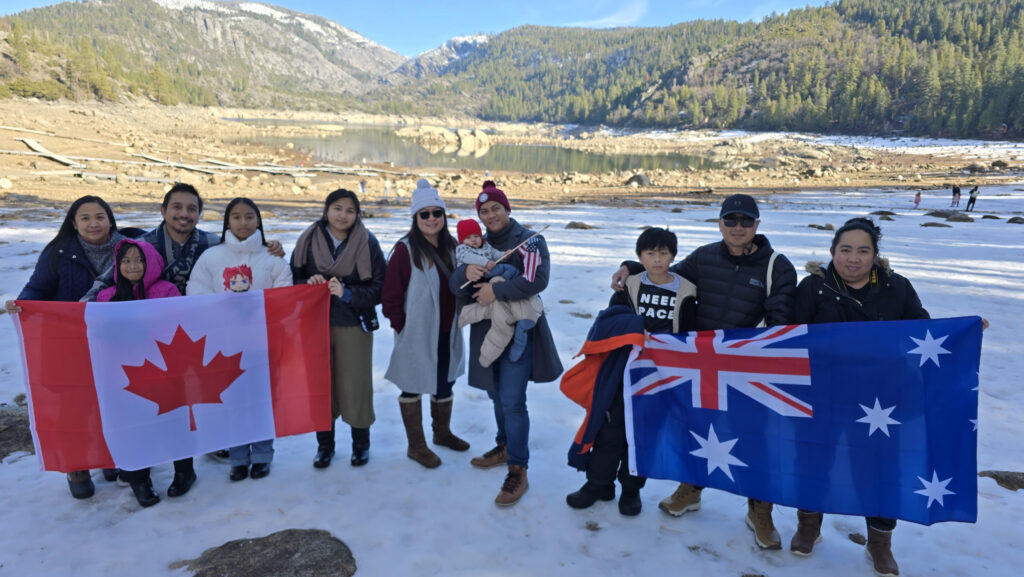
Her turning point came when extended family eventually joined them. Today, she finds comfort in knowing her parents and sisters are nearby. “This enhanced support allows us to continue pursuing our professions and engage in volunteer activities,” she said.
Ask her who she looks up to, and her answer isn’t a famous scholar or an admired professor—it’s her husband. He was the one who encouraged her when the pathway seemed unclear, who reassured her when she doubted herself, and who believed in her ability to build a successful career in North America.
Seeing the world through more than one lens
Living abroad also means learning from different cultures. For Nelli, that exposure has been transformative—not just personally, but professionally.
“Working abroad offers a unique opportunity to immerse oneself in diverse cultures,” she said. That immersion expanded her perspective on teaching and on human relationships.
Her work now involves judging at national academic competitions and speaking at major U.S. and Canadian conferences, including upcoming presentations at AMTE and NCTM—the country’s most prestigious math education organizations.
Beyond credentials and conferences, what she values most are communities—the ones she found and the ones she built herself.
“Is this the hill that I will die on?”
One of her best pieces of advice to Filipinos abroad is surprisingly grounded: don’t waste energy fighting battles that won’t matter in the long term. She recalls an expression she learned to repeat to herself in difficult situations: “Is this the hill that I will die on?”
She speaks openly about processing emotions, crying when needed, acknowledging struggles honestly, and then stepping back to reflect objectively.
“It’s okay to feel overwhelmed,” she explained. “Allow yourself time to release emotions—cry a little if you need to—then step back, reflect objectively, and focus on performing better.”
If there is a theme to her guidance, it’s balance: emotional honesty, strong support systems, resilient thinking, and faith.
“Starting the day with prayer provides guidance,” she said, reflecting on the many decisions she navigates both at home and in her profession.
What comes after the classroom
You might assume that after everything she has accomplished, Nelli would be preparing to move back home soon. But her heart is still deeply rooted in her current community.
Her plan is to continue teaching mathematics in her district, which she describes not as a job, but as a calling she still feels compelled to fulfill.
She is considering an administrative credential—possibly transitioning into leadership roles that will allow her to shape educational policy and practice at a systemic level.
She also intends to continue speaking, publishing, judging, and mentoring. Her advocacy for Filipino teachers will continue, and she hopes to help even more educators build meaningful careers in North America.
The last insight she shares is quiet but powerful:
“I firmly believe that when we pay kindness forward, we open ourselves to even greater blessings.”
After everything she has achieved, she still sees herself as someone who is learning, growing, and finding new ways to lift others along the way.
She also hopes people will know one more detail about her background—something she forgot to mention at first but remains deeply proud of: she was a DOST-SEI Scholar in 2001. That scholarship supported her early academic journey and, in many ways, set the foundation for the educator she would eventually become.
She looks back on her journey across two countries, countless classrooms, endless professional transitions, and says every struggle had a purpose.
“Every experience, whether difficult or triumphant, shapes us into better individuals,” she reflected.
And now, she spends her days shaping others—students who walk into her classroom afraid of math, and Filipino teachers who dream of continuing their careers abroad.
Many years ago, she stepped into a foreign country not knowing exactly how she would rebuild her professional life. Today, she stands as proof that resilience, dedication, and a deep belief in education can turn uncertainty into a meaningful path forward—not just for herself, but for every student and every teacher who crosses her path.
