



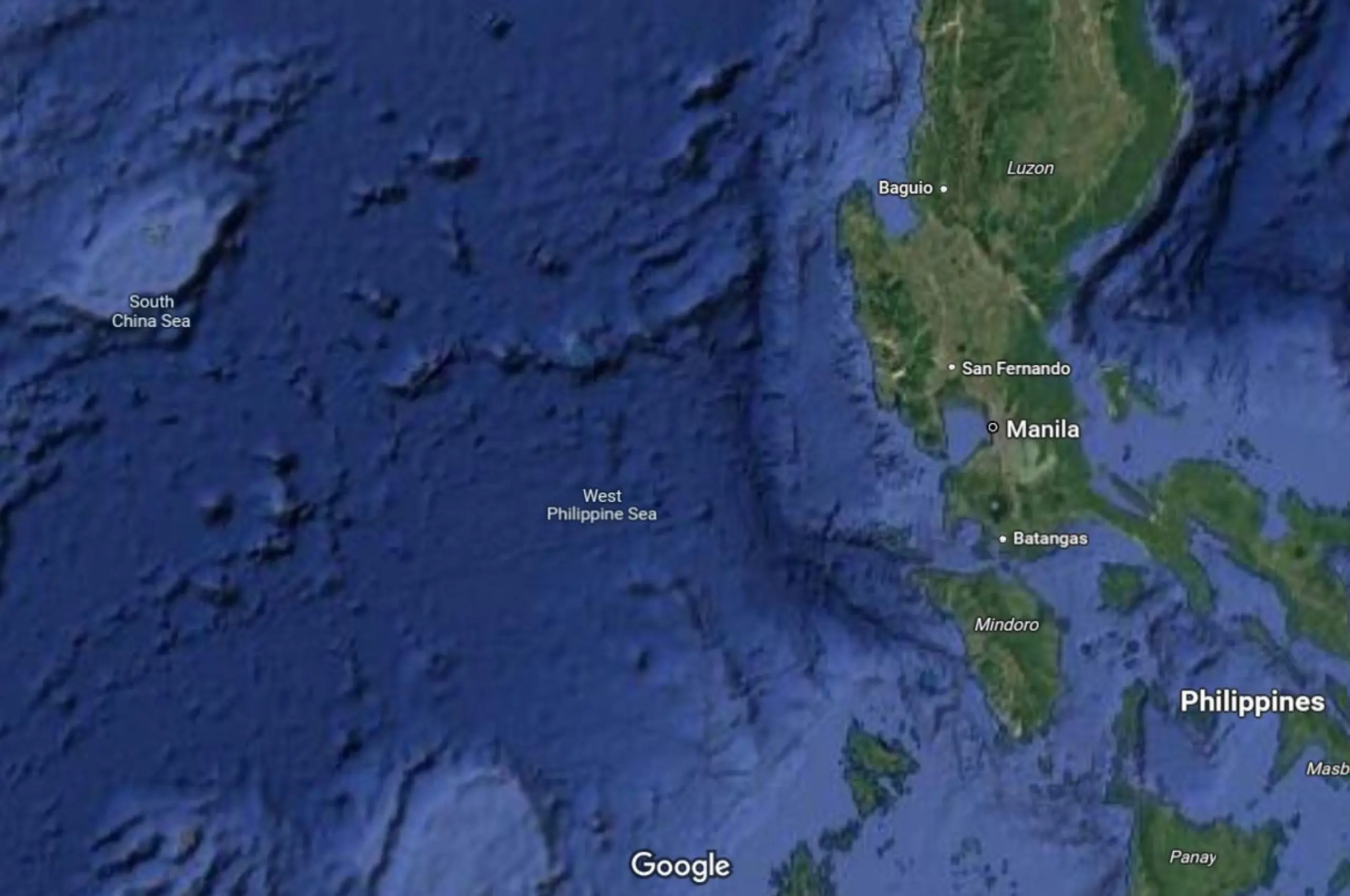

Public preference for how the Philippines should navigate disputes in the West Philippine Sea leans strongly toward cooperation with long-standing allies, according to a recent nationwide survey that gauged trust in potential international partners.

Results from a December 12–15 poll conducted by Pulse Asia, commissioned by Stratbase Group, indicate that a large majority of Filipinos want the Marcos administration to work with the United States and other like-minded governments in asserting national interests in Philippine waters. Respondents were asked which countries or organizations they believe the government should collaborate with in protecting rights in the country’s seas, with each participant allowed to name up to five choices.
The United States emerged as the most trusted partner, selected by 82 percent of respondents. Japan followed at 64 percent, while Canada and Australia were cited by 58 percent and 51 percent, respectively. Support then dropped to 37 percent for South Korea, 33 percent for the United Kingdom, and 27 percent for the European Union.
The lowest confidence ratings were given to Taiwan at 12 percent, China at 11 percent, and India at four percent, placing them at the bottom of the list of preferred partners for maritime concerns.

Commenting on the findings, Stratbase president Dindo Manhit said the responses reflect a clear public assessment of current tensions. “The sentiment is very clear,” he said. “Filipinos know who is violating our rights, and they know who our friends are. What is happening in the West Philippine Sea affects our fishermen, our food supply and our national dignity.”
Manhit added that the survey underscores expectations for the government to maintain firm positions alongside partners that uphold international law. “China’s actions reflect a clear pattern of behavior that puts their expansionist interests above our rights and regional stability. We must not normalize or tolerate these repeated violations,” he said.
The fourth-quarter Pulse Asia survey covered 1,200 respondents nationwide and carries a margin of error of plus or minus 2.8 percent.
