




For many young immigrants, the hardest part of starting over is learning how to belong without losing who you were before.

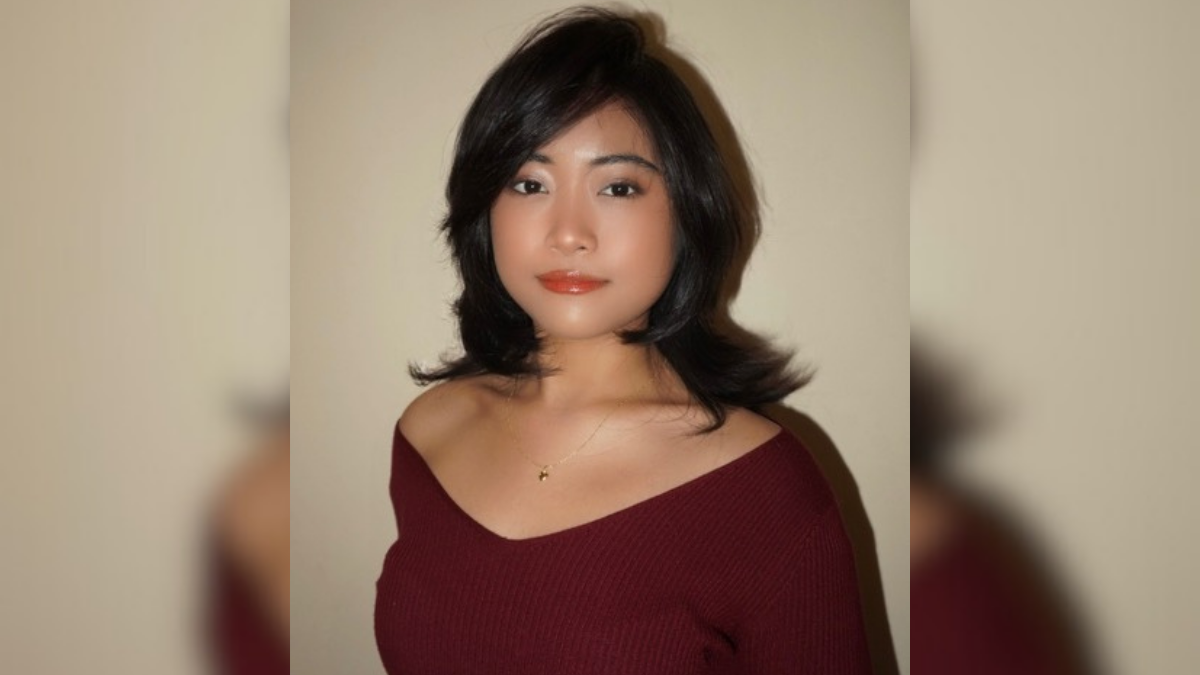
Serena Althea Blaire D. Mackay arrived in the United States just over a year ago, carrying the weight of dislocation alongside an unusually clear sense of purpose. At 15, while still adjusting to a new school system, a new country, and a shifting sense of home, she began building something that would soon stretch across borders: a youth-led movement grounded in political education, collective memory, and action beyond hashtags.
Building something bigger than a platform
Mackay is the founder and executive director of LUHOG Youth Organization, a nonprofit she launched to mobilize Filipino youth in both the homeland and the diaspora. The vision was simple but ambitious—equip young people with the tools to understand power, history, and policy, and then give them pathways to act.
Within a year, LUHOG grew to more than 200 active volunteers across the Philippines, the United States, and the United Kingdom, with plans to expand into regions with large Filipino immigrant populations such as the UAE and Canada. The organization’s work deliberately moves past performative online activism, focusing instead on civic education, publishing, and grassroots collaboration.
Through LUHOG, Mackay helped organize “MAMULAT: The Pulse of Youth in Political Consciousness,” a webinar on the 1987 Philippine Constitution that reached more than 100 live participants and over 1,000 viewers across platforms. Under her leadership, the group has published more than 20 articles tackling issues ranging from red-tagging and deportation to the PUV phaseout and the West Philippine Sea dispute. LUHOG’s digital presence now reaches thousands, with youth-centered political content designed to be accessible rather than intimidating.
Learning the system from the inside
While building LUHOG, Mackay also became the youngest intern at the Filipino Young Leaders Program (FYLPRO) Tayo Help Desk Initiative, a data-driven platform serving Filipinx/a/o communities. There, she worked on grant research, database development, and nonprofit funding strategies tied to public health, policy, and advocacy.
Her most visible contribution came in 2025, when she served as the sole project proponent and lead organizer of Tayo’s Annual Virtual Youth Summit. Held during a period of heightened misinformation, the summit convened young Filipino leaders to confront disinformation and defend historical truth. It was executed alongside four youth fellows and positioned youth not as participants, but as agenda-setters.
She later co-founded the Tayo Youth Advisory Council, designed to formally integrate youth voices into organizational governance. As its external chair, Mackay oversees committees focused on policy and advocacy, volunteer engagement, and editorial work—areas often closed off to young people, especially immigrants.

Leadership rooted in the local
Despite her growing national and transnational reach, Mackay’s work remains grounded in her immediate community. She serves as student body vice president at Founders Academy in Manchester, New Hampshire, representing roughly 450 students and working on policy responses to student concerns.
Beyond campus, she leads Young Organizers United, an initiative focused on improving basic infrastructure—most notably hygienic school bathrooms—across the Manchester School District. The work has brought her into regular meetings with school board members, aldermen, state representatives, and members of the New Hampshire Congress, placing a teenage immigrant in rooms where decisions are typically made without youth present.
For Mackay, the connection between local organizing and diaspora advocacy is intentional. “I believe the best way to stay connected to your heritage is to understand the struggles for liberation fought by our ancestors, and the modern Filipino heroes—from OFWs to workers to frontliners—who continue that fight today,” she said.
A different kind of inspiration
Mackay’s perspective is shaped by the urgency of displacement and the rise of anti-immigrant rhetoric she encountered soon after arriving in the US. “I dream of a Philippines where no Filipino must leave their family in search of greener pastures, and a world where centuries of colonialism and corrupt governance do not force citizens abroad just to put a roof over their loved ones’ heads and food on their tables,” she shared with TGFM.
She is candid about the emotional toll of the work. “I admit that it is a long, often daunting fight. While this journey often feels hopeless, I am determined not only to succeed but to use my education and privilege to serve.”
That sincerity has resonated with other organizers. “Too often, people participate in programs just to build their resumes and don’t genuinely engage with their communities,” said Joie Cabrera of Loyola University Chicago. “Seeing your work with LUHOG—rooted in community and creating meaningful impact—has been truly inspiring.”
Now a nominee for Act to Change’s 2026 Changemaker of the Year Award, Mackay continues to push for youth participation in spaces that shape policy, memory, and belonging. Her belief is unwavering but practical: systems do not change on their own. They are built—patiently, collectively, and with the refusal to accept injustice as permanent.
