



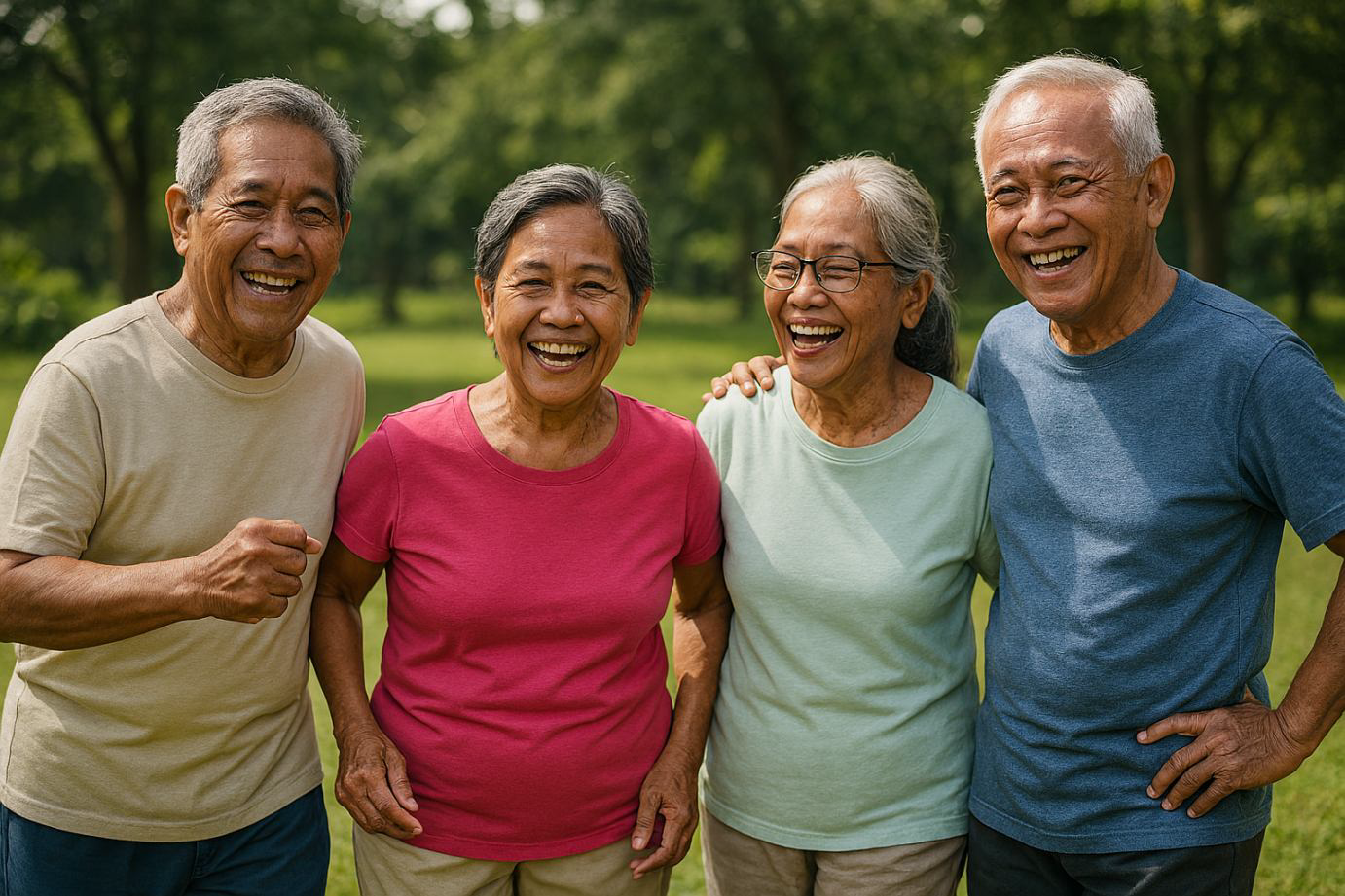

As populations age worldwide, a shift is emerging in how health systems view ageing—not as an inevitable decline but as an opportunity to enhance functional ability and quality of life. Central to this vision, as emphasized by the World Health Organization (WHO), is the concept of Intrinsic Capacity (IC): the composite of all physical and mental capacities of an individual. Unlike conventional approaches that focus on diseases or impairments, intrinsic capacity emphasizes potential—what older adults can do and how that ability can be sustained or improved over time.

What Is Intrinsic Capacity?
Intrinsic capacity consists of five core domains: locomotor capacity, vitality, sensory abilities, cognitive function, and psychological well-being. Each domain interacts dynamically with one’s environment to shape functional ability. Healthy ageing, therefore, is not merely the absence of illness but the ability to function with dignity and purpose even amid health challenges. This approach is especially relevant for countries like the Philippines, where cultural values emphasize family caregiving and intergenerational support but where ageing policies often lag behind population needs.
Filipino Case Sample: Maria’s Journey
Maria (not her real name) a 72-year-old retired public school teacher from Cebu, illustrates both the promise and challenge of intrinsic capacity in action. She lives with hypertension and mild osteoarthritis but remains active in her barangay (village) council and teaches literacy to children. Her intrinsic capacity profile shows strengths in cognition (sharp memory) and psychological well-being (a strong sense of purpose) but lower locomotor capacity due to knee pain and reduced vitality from poor nutrition.
Her functional ability, however, is protected by supportive family ties and a community culture of respect for elders. Neighbors help with errands, her children contribute to her medication costs, and Maria herself remains socially engaged. This balance—optimizing capacities and supporting environments—reflects the WHO Healthy Ageing framework. Yet it also exposes gaps: Maria lacks regular access to physical therapy for her knee, and dietary counseling is unavailable in her rural health unit. Without targeted interventions, her locomotor function and vitality could decline, risking frailty and loss of independence.
Why Intrinsic Capacity Matters in the Philippines
The Philippines is transitioning to an ageing society, with those aged 60 and older expected to comprise 15% of the population by 2040. However, health services remain largely disease-centric, with limited focus on early functional decline or preventive geriatric care. Programs often target poverty alleviation or chronic disease management but neglect integrated assessments of intrinsic capacity and individualized support to maintain functional ability.
This gap has significant consequences. Older adults like Maria may avoid seeking help until their condition worsens, often due to stigma, limited awareness, or financial constraints. Moreover, while the Philippines has a strong tradition of family caregiving, migration patterns—many adult children working abroad—can leave older adults with reduced day-to-day support.
Program Recommendation 1: Barangay-Level Intrinsic Capacity Screening and Support
The first recommendation is to establish Barangay Intrinsic Capacity Screening Programs (BICSP). These would integrate intrinsic capacity assessments into routine barangay health station activities.
Key Elements:
Simple IC Screening Tools: Nurses and barangay health workers (BHWs) can use validated, low-cost tools to assess locomotor, cognitive, sensory, and psychological health annually.
Community Health Plans: Results inform personalized care plans, including referrals to physical therapy, vision/hearing services, or community nutrition programs.

Social Participation Activities: Linking older adults to volunteer opportunities, senior exercise classes, and digital literacy workshops reinforces psychological well-being and social engagement.
Benefits:
This grassroots approach empowers older adults, helps identify early functional decline, and supports targeted interventions that maintain independence. It also builds capacity among local health workers in geriatric-friendly care—a growing need as ageing accelerates.
Policy Recommendation 2: Integrating Intrinsic Capacity into National Health Insurance and Aging Policy
The second recommendation is to incorporate intrinsic capacity as a metric in PhilHealth (the national health insurance) and ageing-related legislation.
Key Policy Actions:
Incentives for IC-Based Interventions: PhilHealth could reimburse preventive services such as physiotherapy for mild mobility limitations or community-based cognitive training for early memory loss.
National Geriatric Health Plan: Adopt intrinsic capacity indicators into the Department of Health’s ageing programs, shifting focus from disease counts to functional outcomes.
Workforce Development: Mandate training for all primary care providers on IC screening and management, ensuring consistent, nationwide implementation.
Benefits:
This policy framework elevates prevention and functional ability as national priorities, aligns with WHO’s Decade of Healthy Ageing (2021–2030), and reduces long-term costs by preventing disability and dependence.
Conclusion
Intrinsic capacity redefines ageing from a narrative of decline to one of possibility. Maria’s story reflects the resilience of Filipino older adults and the supportive role of family and community. Yet it also underscores systemic gaps in preventive care and functional support. By embedding intrinsic capacity into local health programs and national insurance policies, the Philippines can transform its approach to ageing—ensuring that older adults not only live longer but live well.
Emiliano “Nano” M. Manahan Jr. is a semi-retired HR consultant with 40 years of experience. He advocates for marginalized groups, publishing books on empowering OFWs, the elderly and PWDs.
Jerome Babate, RN, MBA, PhD, LCLP is a nurse leader. He is based in Australia.
