



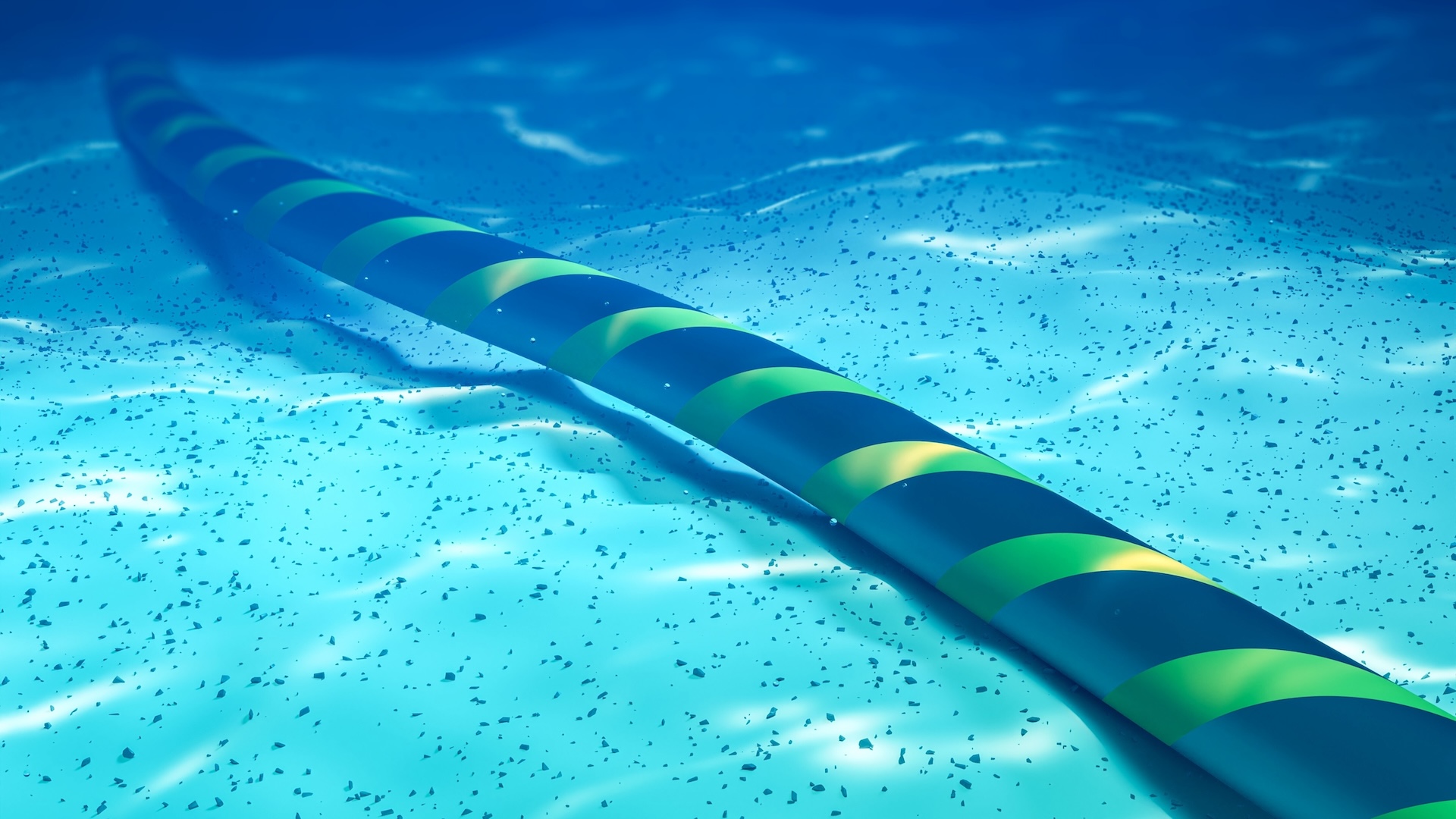

Internet connections across parts of Asia and the Middle East slowed down after several undersea cables in the Red Sea were cut, AFP reported Sunday. The disruption reached as far as the United Arab Emirates, where users of state-owned providers Du and Etisalat complained of noticeably slower speeds.

The cause of the cuts remains uncertain, though concerns have lingered over possible sabotage amid the ongoing conflict involving Yemen’s Houthi rebels. While the Houthis have previously threatened such attacks, they denied responsibility for the recent incidents.
According to Microsoft’s service status page, users in the Middle East “may experience increased latency due to undersea fiber cuts in the Red Sea.” The company noted that traffic outside the region was not affected.
NetBlocks, an independent internet watchdog, confirmed that outages struck the SMW4 and IMEWE subsea cable systems near Jeddah, Saudi Arabia. The impact was felt in countries including India, Pakistan, and the Gulf states. Pakistan’s largest telecom provider also acknowledged the disruption.

Submarine cables carry the vast majority of global internet traffic, and damage to them can take weeks to repair. While providers can reroute connections, users typically experience slower browsing and interruptions.
In the UAE, where reliable connectivity is essential for both business and daily life, the slowdown sparked frustration among residents and companies. As of Sunday, local authorities had not issued any official statement on the matter.
The cuts come at a time of heightened regional tension, with maritime infrastructure in the Red Sea already under threat from conflict-related attacks. Repair crews will have to locate and fix the damaged lines, a process that experts say is both costly and time-consuming.
