



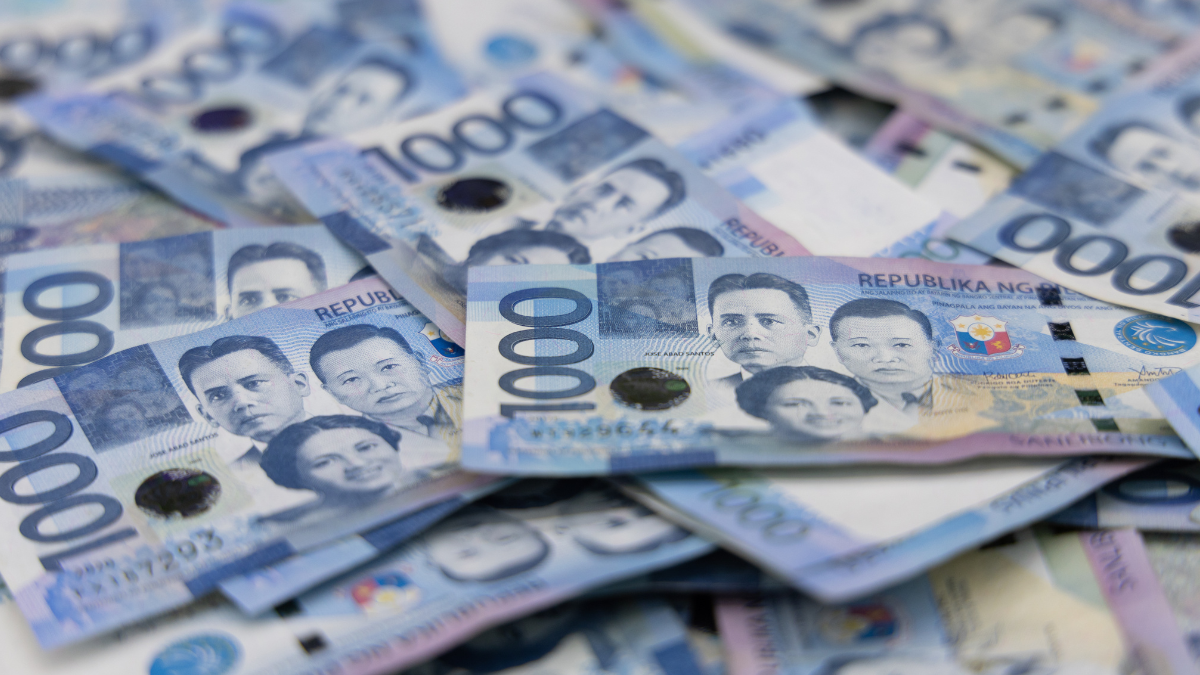

A new law imposing a uniform 20% tax on interest earned from bank deposits has stirred public frustration, with many calling it a blow to Filipino savers, especially those from the middle-income sector.

Signed into law by President Ferdinand “Bongbong” Marcos Jr. in May, the Capital Markets Efficiency Promotion Act (CMEPA) officially took effect on July 1. Authored by Senator Win Gatchalian and Rep. Joey Salceda, the measure abolishes the previous tiered tax system and replaces it with a flat rate, regardless of the maturity period of deposits.
Previously, long-term time deposits were subject to lower tax rates, with some even exempt from tax if held for more than five years. Under CMEPA, all interest earnings — whether from peso or foreign currency deposits — are taxed at 20%, regardless of how long the money has been saved.
“This is a landmark reform that brings capital market investments closer to the Filipino people,” Finance Secretary Ralph Recto said in a prior statement. He explained that the law intends to make investing more accessible and help fund priority government projects across sectors such as education, infrastructure, and healthcare.
But many Filipinos are unconvinced. Reactions on social media slammed the policy for discouraging savings. “People invest in long-term savings for the interest it earns. But if you tax that interest, what’s the point?” one user wrote. “Small investors who rely on that extra income will take the hit.”

Public health advocate Dr. Tony Leachon also expressed concern. “This disincentivises savings, an option that is already low among Filipinos since high inflation robs them of disposable income,” he said. He warned that taxing interest earnings across the board could reduce bank deposits, ultimately impacting the availability of credit for small businesses, farmers, and rural communities.
While supporters argue that the move promotes investment diversification and mainly affects high-net-worth individuals, economist Emmanuel Leyco believes otherwise. “Ang matatamaan talaga dito ay ‘yung maliit na nag-iimpok,” he said in an interview, pointing out that wealthier Filipinos typically avoid time deposits and place their funds in more complex investment instruments. He urged the government to consider lowering the tax rate to 6% to ease the burden on the average saver.
Despite the uproar, the Department of Finance defended CMEPA, saying it streamlines the tax structure and eliminates loopholes that disproportionately benefited the wealthy. It also allows private employers to claim additional deductions if they match or exceed their workers’ contributions to Personal Equity and Retirement Accounts (PERA).
The administration expects the law to generate over P25 billion in additional revenue from 2025 to 2030.
According to several banks, such as Metrobank, Bank of Commerce, and Security Bank, any investments made before July 1 and still maturing will continue to follow the previous tax scheme. All new transactions from July 1 onward are subject to CMEPA.
