



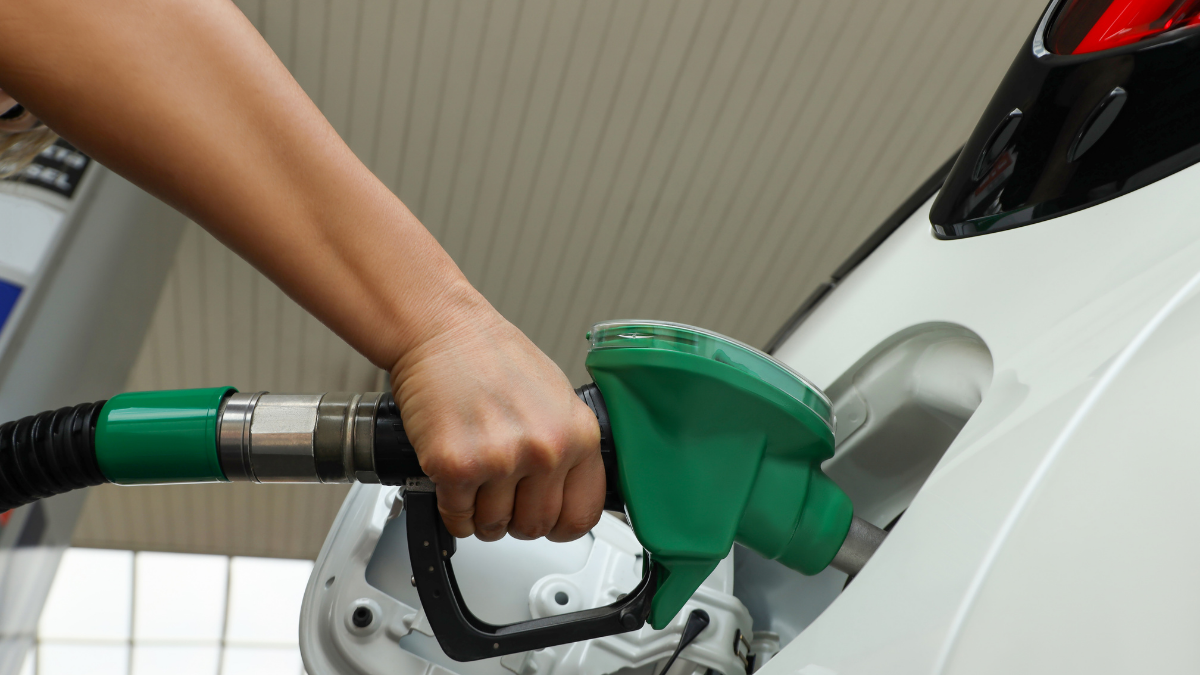

Motorists across the Philippines are facing another round of fuel price increases this week, as tensions in the Middle East continue to unsettle global oil markets.

Beginning Tuesday, March 3, petrol prices will rise by P1.90 per liter, while diesel will go up by P1.20, according to the Department of Energy (DOE). Local fuel firms implement adjustments every Tuesday, following weekly assessments of international oil movements.
Energy officials warned that further increases could follow if fighting in Western Asia persists. DOE Oil Industry Management Bureau Director Rino Abad said the cumulative increase for petrol could reach at least P3.00 in the coming weeks should hostilities fail to ease.
The latest adjustments mark the eighth straight week of increases for gasoline and the ninth consecutive hike for diesel and kerosene. Since January, pump prices have climbed by no less than P8.00 per liter.
The Philippines sources the bulk of its crude supply from Western Asia, making it highly sensitive to instability in the region. Between 86 and 92.5 percent of imported crude originates there, with Saudi Arabia providing nearly 45 percent of total shipments, followed by the United Arab Emirates. Overall, the country brings in more than 99 percent of its oil requirements from abroad.

Compounding concerns is Iran’s move to declare the Strait of Hormuz a no-sail zone since Sunday, a development that could disrupt deliveries to oil-dependent countries like the Philippines. Abad noted that domestic reserves currently provide a buffer of about 30 days for gasoline and 26 days for diesel.
As fuel costs surge, transport groups renewed calls for a P1.00 increase in public utility vehicle fares. The Land Transportation Franchising and Regulatory Board said it would begin reviewing the petition, citing the mounting pressure on operators and drivers.
Not all stakeholders support fare adjustments. The Pinagkaisang Samahan ng Tsuper at Operator Nationwide (PISTON), the country’s largest transport organization, instead urged the government to suspend excise taxes on petroleum products. The group argued that lifting the levy would cushion commuters and prevent broader inflation triggered by rising fuel costs.
Opposition Senator Francis Pangilinan echoed the call to reassess the tax policy, describing the ongoing turmoil in the Middle East as a timely moment for reconsideration.
The administration of President Ferdinand Marcos Jr., however, has rejected proposals to remove the 12 percent excise tax, maintaining that the revenue—estimated at P400 billion annually—is essential for financing government social service programs.
