




The Philippine government is expected to borrow a record-high ₱2.7 trillion next year to fund the ₱1.6-trillion fiscal deficit under the proposed 2026 national budget, according to the Congressional Policy and Budget Research Department (CPBRD).

In a report released Monday, the CPBRD said about 77 percent of the borrowings, or ₱2.1 trillion, will come from domestic sources through fixed-rate Treasury bonds and bills. The remaining ₱627.1 billion, or 23 percent, will be secured from foreign lenders via program loans, project loans, and bond issuances.
“For the proposed FY 2026 national budget, the government is expected to borrow about ₱2.7 trillion to finance the anticipated fiscal deficit amounting to ₱1.6 trillion,” the CPBRD stated.
This marks the largest borrowing requirement so far under President Ferdinand Marcos Jr.’s administration, with previous gross borrowings recorded at ₱2.1 trillion in 2023, ₱2.5 trillion in 2024, and ₱2.6 trillion in 2025.
The CPBRD noted that while the government’s debt servicing for 2026 is projected at ₱2 trillion—slightly lower at 30.3 percent of the budget compared to 33.8 percent in 2025—it still far exceeds pre-pandemic levels, which stood at just 19.7 percent in 2019. Of the 2026 debt service, ₱950 billion will go to interest payments and ₱1.1 trillion to principal amortization.

The research body also cautioned that the country’s debt-to-GDP ratio will remain around 60 percent in 2026, easing only by 2027 but still above government projections of 56.6 percent in 2026 and 53.4 percent in 2027. It stressed that achieving lower debt levels will depend heavily on sustained economic growth, better revenue collection, and controlled deficit spending.
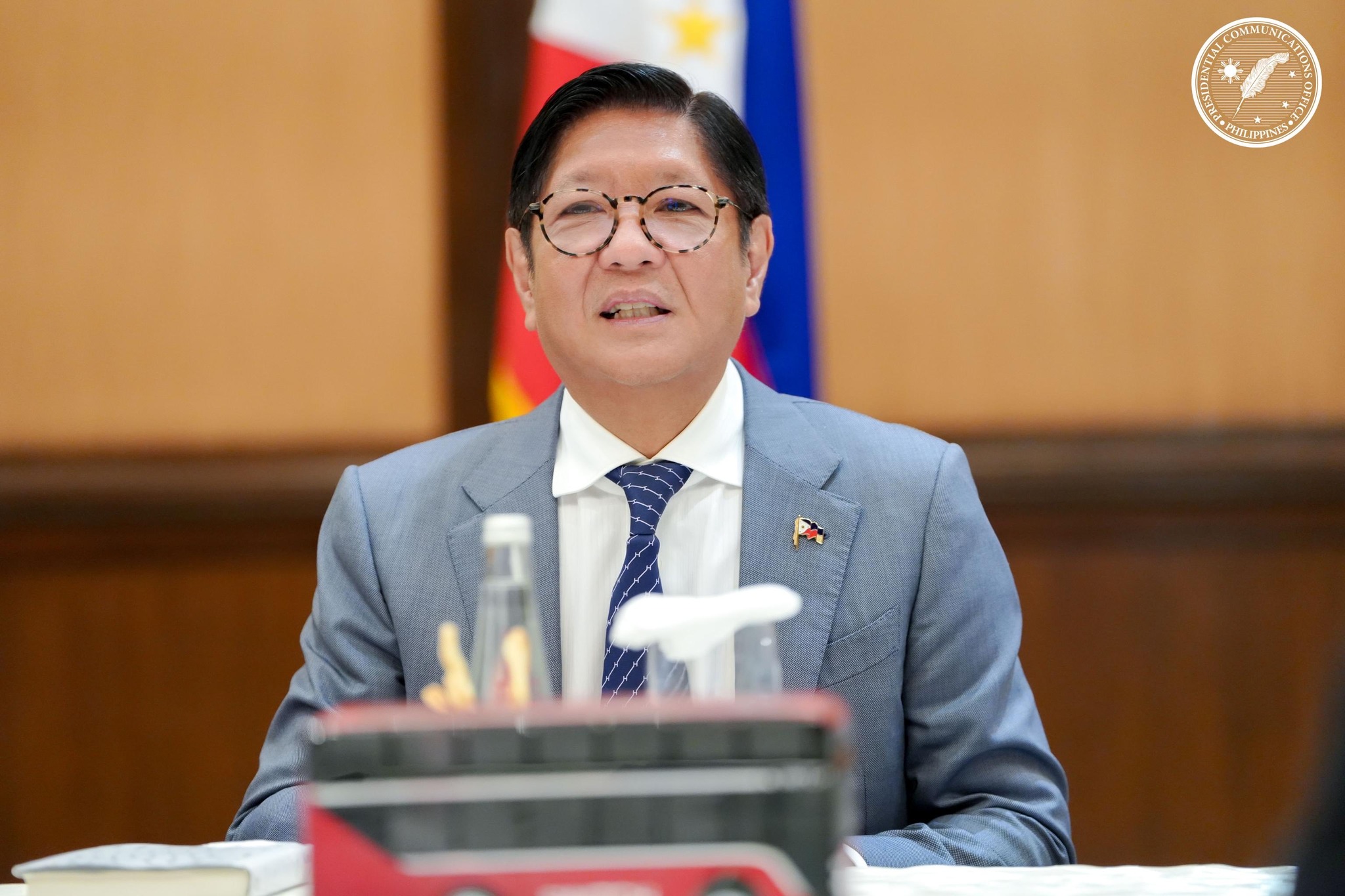
President Marcos earlier acknowledged the country’s ballooning debt—now at ₱17 trillion—much of which was incurred during the pandemic. He assured, however, that his administration is working toward ensuring fiscal sustainability.
“We will have enough budget to fund these projects. So long as the country’s money is being used properly,” Marcos said, adding that public funds must translate into tangible results, such as classroom budgets being fully spent on actual construction.
The CPBRD also flagged underutilization of funds in some agencies, citing DepEd’s textbook delivery program with disbursement rates of only 11 percent in 2023 and 17 percent in 2024. It urged Congress to address gaps between allocated budgets and actual delivery of services.
The House of Representatives has begun deliberations on the ₱6.7-trillion proposed 2026 budget, with education, public works, and health receiving the largest allocations.
