



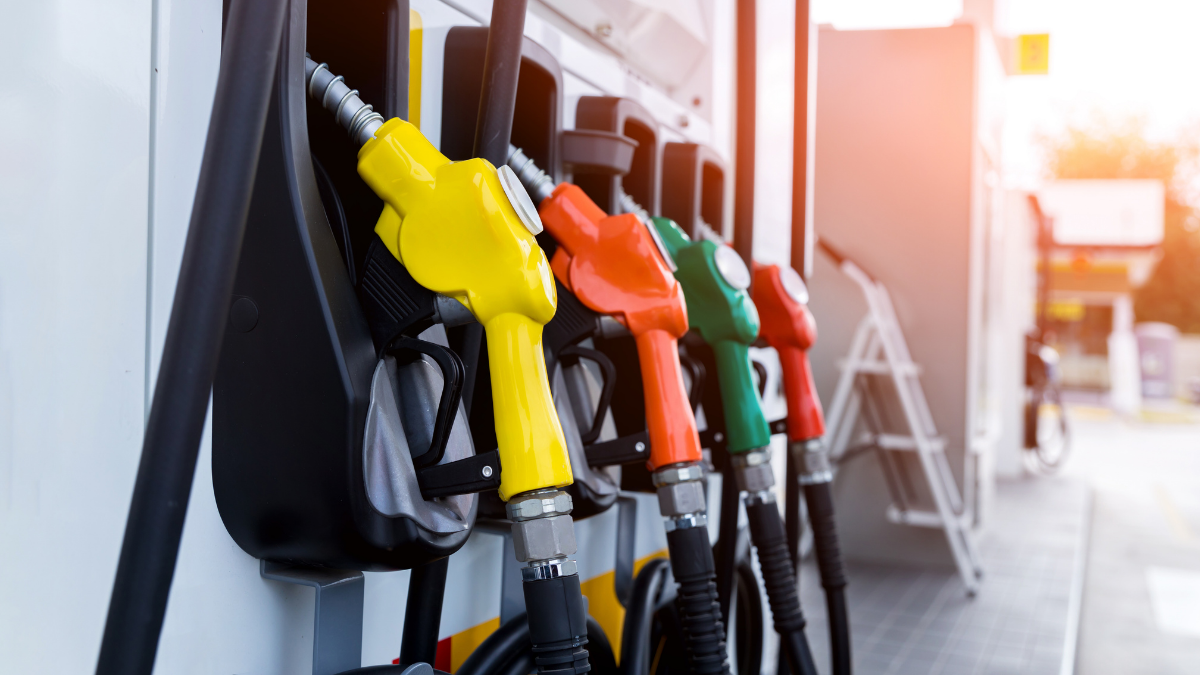

The Philippines is expecting delivery of 250,000 to 300,000 barrels of diesel next week, sourced from an undisclosed Southeast Asian country through a government-to-government arrangement, the Department of Energy confirmed.

Energy Secretary Sharon Garin said the procured volume represents only about two days’ worth of national consumption — a modest buffer, but part of a broader push to secure supply for May. The government intends to sell the fuel at cost to private oil companies.
Garin also moved to calm public concern over supply duration, saying stocks are sufficient to last through the end of April — contradicting earlier reports suggesting the country would run dry by mid-April. She cautioned, however, that hoarding by consumers and businesses could shorten that window significantly.
On the question of purchase limits at the pump, Garin declined to impose a nationwide cap on fuel purchases, though she said she would not penalize stations that voluntarily restrict volume per customer. One Petron outlet along Don Antonio Drive in Quezon City has already implemented a 20-liter limit per vehicle. Garin framed such arrangements as a legitimate way to extend supply.

The secretary also used a separate interview to signal her support for amending the Oil Deregulation Law — on two specific points. First, she wants the law to require oil firms to disclose their cost components, a move that would expose profit margins during supply crunches. The push for price unbundling has backing from the party-list group Bayan Muna, which has written Garin asking that oil companies be compelled to itemize their pricing so the public can see how much of what they pay goes to corporate profit.
Second, Garin said she supports giving the government authority to build and maintain strategic petroleum reserves. She noted that the Philippines currently relies entirely on private oil firms, which are mandated to hold 15 to 30 days of fuel inventory — while the government itself holds none. Major oil-importing nations maintain government-controlled reserves precisely for situations like the current Middle East conflict, she said.
Based on the first three trading days this week in world markets, fuel prices at the pump are set to climb again next week: diesel by around P7.00 per liter, gasoline by P5.00, and kerosene by as much as P10.00. Two trading days remain in the week, and their movement could widen or narrow those projections. The published figures also do not yet reflect the risk premium and profit margins that oil firms will add before prices reach retail pumps.
