



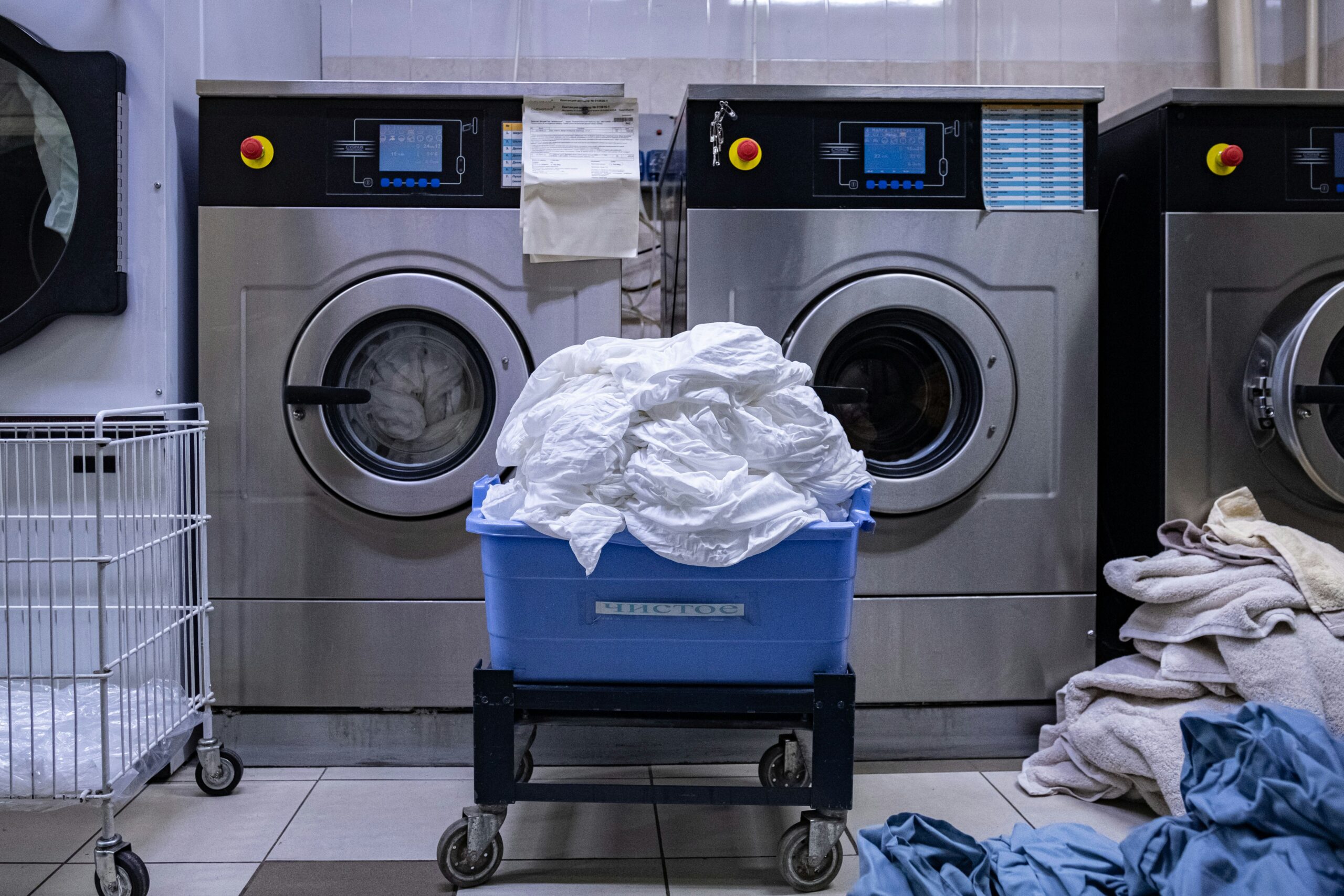

Industrial-scale hotel contracts are rapidly reshaping how laundry businesses in the Philippines pursue growth, as operators move away from reliance on neighborhood customers amid tightening competition and thinning margins.

According to The Philippine Laundry Outlook 2026, a newly released industry report by Is It Clean, operators are increasingly positioning themselves as outsourcing partners for hotels and short-term accommodations. The consultancy estimates that hotels nationwide require up to 1.6 million kilograms of linens to be processed each day at full occupancy, with a growing share of that workload handled externally rather than in-house.
This demand is expected to climb further as new hospitality supply comes online. Analysts project about 3,100 additional hotel rooms in Metro Manila by 2026, which Is It Clean translates into roughly 15,500 more kilograms of laundry per day, largely destined for outsourced processing. Reflecting this shift, 42% of surveyed operators said they plan to focus on hospitality clients in 2026, particularly smaller hotels and short-term rental operators seeking cost efficiencies.
The pivot comes as traditional residential laundry services face mounting pressure. While overall usage remains solid—63% of operators reported increased volumes in 2025 due to urbanisation and more households outsourcing laundry—the market has become crowded. With an estimated 20,000 laundromats operating nationwide, price competition has intensified, especially in urban centres. In the National Capital Region, the average wash-and-dry price is now slightly lower than in nearby Region IV-A, underscoring how rivalry is squeezing margins.
Despite these challenges, industry sentiment has not turned negative. More than half of respondents expressed a favorable outlook, and many see institutional clients as a path to more stable volumes. However, the report notes that demand is no longer the main bottleneck. Instead, the ability to meet stricter service requirements is becoming the critical constraint.

“This is no longer just about opening more shops or increasing capacity,” said Paolo Abellanosa, Managing Director of Is It Clean. “Operators must not just scale up, but they must also skill up. Without the right systems, trained people, and process discipline, chasing hotel volumes can increase risks rather than profits.”
Hotels typically require tighter controls on quality, consistency, and traceability—standards that many small operators are still developing. To bridge this gap, 42% of respondents indicated plans to invest in new equipment in 2026, linking capital spending to the need for higher efficiency and compliance when serving institutional accounts.
“The outlook for the laundry sector remains positive, with 90% of operators saying industry performance in 2026 will either be stable or positive,” said Romeo Apolega, SSChE, FChE, Emeritus, President & CEO of Is It Clean. “Demand is there, especially from hotels, but the future of laundry will belong to those who learn continuously, innovate, retool, retrofit, reinvent, and invest in people and new processes.”
The Philippine Laundry Outlook 2026 draws on a sentiment survey conducted between November and December 2025 among 74 operators managing a combined 262 laundry shops nationwide, with a majority running single-location businesses and daily capacities below 1,000 kilograms.
