



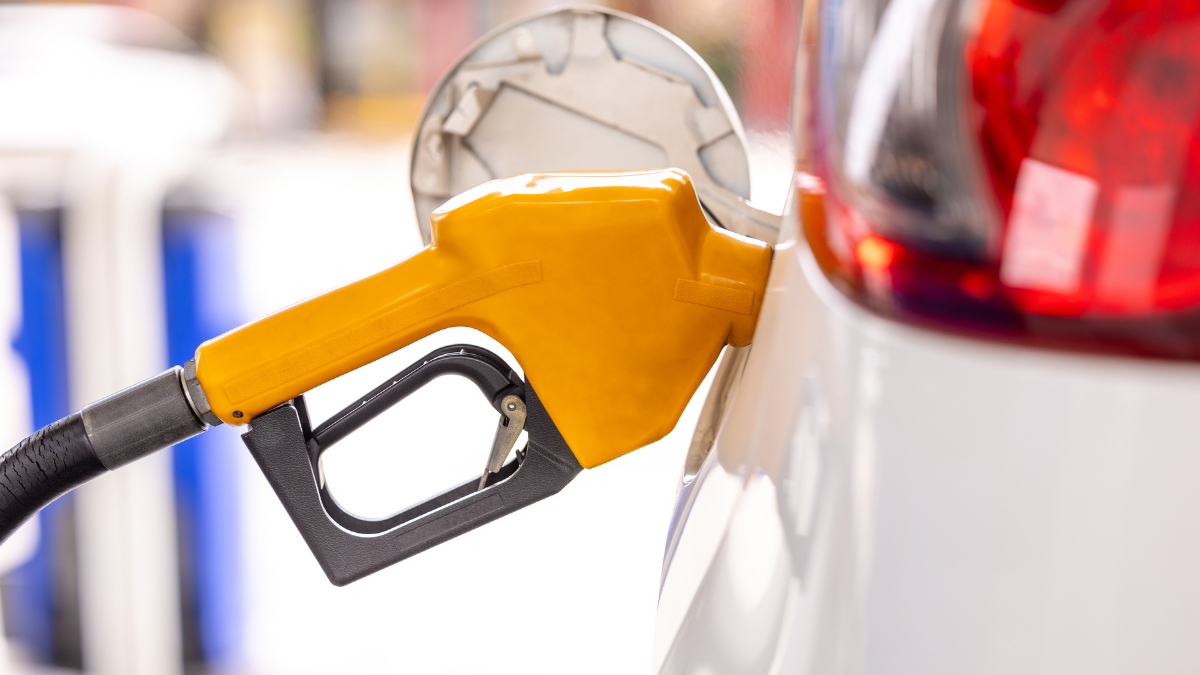

Police across several regions have been deployed to gas stations as the Philippines grapples with back-to-back record fuel price increases, with diesel pump prices in parts of the country already touching triple digits.

More than 646 complaints have been lodged against gas stations for alleged overpricing and jumping the gun on price adjustments, the Department of Energy reported. Of these, four cases have been resolved and 58 closed. The 55 show-cause orders issued to erring stations last week drew requests from most respondents for more time to submit evidence in their defense, Energy Undersecretary Felix William Fuentebella said.
The PNP has stationed officers at fuel retailers to deter price manipulation. Gen. Jose Melencio Nartatez Jr., the national police chief, said no confirmed cases of profiteering, hoarding, or illegal gas station closures had been recorded as of Monday. Police in Mimaropa are keeping watch over businesses across Mindoro, Marinduque, Romblon, and Palawan, while Eastern Visayas authorities have heightened security ahead of possible transport strikes.
Effective March 17, oil companies including Petron, Shell, Seaoil, Total, Flying V, and Jetti rolled out staggered price adjustments: diesel up by P20.40 to P23.90 per liter, gasoline by P12.90 to P16.60, and kerosene by P6.90 to P8.90. This follows last week’s single-round surge — gasoline by P7 to P13, diesel by P17.50 to P24.25, and kerosene by P32 to P38.50 — triggered by the US and Israeli strikes on Iran in February.

Energy Secretary Sharon Garin said diesel prices in Metro Manila could reach as high as P115 per liter this week. “We have set a record with two of the highest jumps in oil prices and we are also at the most expensive (levels),” she said. Provincial consumers face steeper costs due to logistics, with Batanes already reporting diesel at P100 per liter last week, according to Garin.
The Philippine Energy Research and Policy Institute has called for a review of the decades-old Oil Deregulation Law, arguing it leaves consumers exposed to global price shocks.
On the supply side, Garin confirmed that Petron — the country’s sole remaining oil refiner — is in negotiations to source crude from Russia. The government, through the Philippine National Oil Co., is separately working to procure one million barrels of diesel, sufficient to cover roughly five additional days of national demand. The country’s current fuel buffer is enough to last through the end of April, Garin said.
