



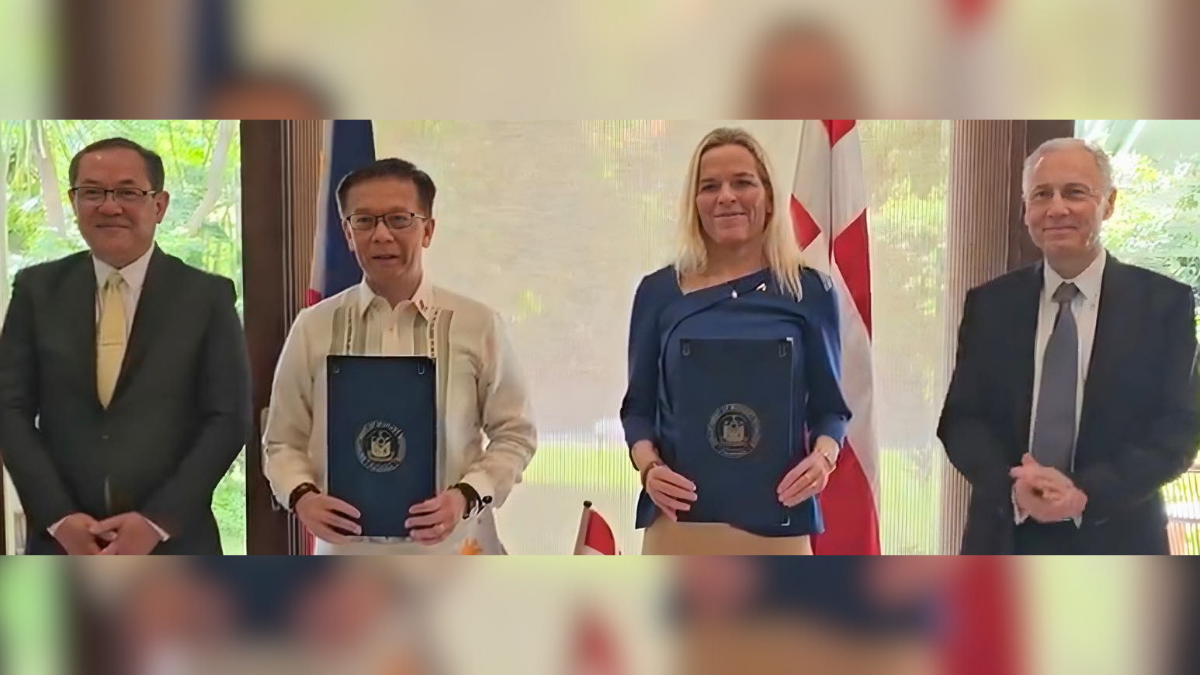

A new stage in Philippine-Denmark labor cooperation advanced this week as officials from both countries exchanged initialed drafts of a bilateral agreement that would guide the recruitment and deployment of Filipino health and care workers to Denmark. The draft Memorandum of Understanding (MOU) was formally shared in Manila on December 11, 2025, during the visit of Danish Minister for Senior Citizens Mette Kierkgaard.

The initiative lays out a government-to-government framework that will regulate how Filipino professionals are educated, trained, and hired for Denmark’s elderly-care sector. The arrangement adheres to the laws of both nations and aligns with global labor norms, including the WHO code governing the international movement of health personnel. The document awaits the final round of domestic legal and administrative clearances before both governments can proceed to a full signing.
Discussions centered on a pilot program that will begin with Social and Health Care Helpers, with expansion to Assistants and Nurses under consideration. The structure of the MOU incorporates several guarantees for Filipino participants, such as mandatory use of authorized recruitment channels, zero placement fees, and employment conditions consistent with Danish standards on pay, working hours, and social protection. Training will be delivered through accredited institutions acknowledged by each side, while additional safeguards address Philippine workforce stability through knowledge-sharing measures and planned cycles of migration.

Oversight will fall under a Joint Committee tasked with monitoring how the agreement is put into action once it becomes effective.
Secretary Hans Leo J. Cacdac underscored the joint effort to build a transparent and rights-based deployment system, stressing that “both countries are working closely to establish a recruitment and deployment process that is ethical, transparent, and free from exploitative practices—making sure Filipino workers receive the same rights, protections, and decent working conditions as their counterparts abroad.”
Representatives from the Department of Migrant Workers were present during the exchange, including Undersecretary Jainal T. Rasul Jr.; OIC-Director Mary Sol D. Dela Cruz; and technical officials from the International Migrant Workers Policy and Cooperation Bureau and the International Cooperation and Labor Market Monitoring Division.
