




Malacañang on Tuesday said former Ilocos Sur governor Chavit Singson’s public call for a “one time, big time” rally aimed at removing President Ferdinand Marcos Jr. could fall within the scope of inciting to sedition, stressing that the matter is for prosecutors to assess.

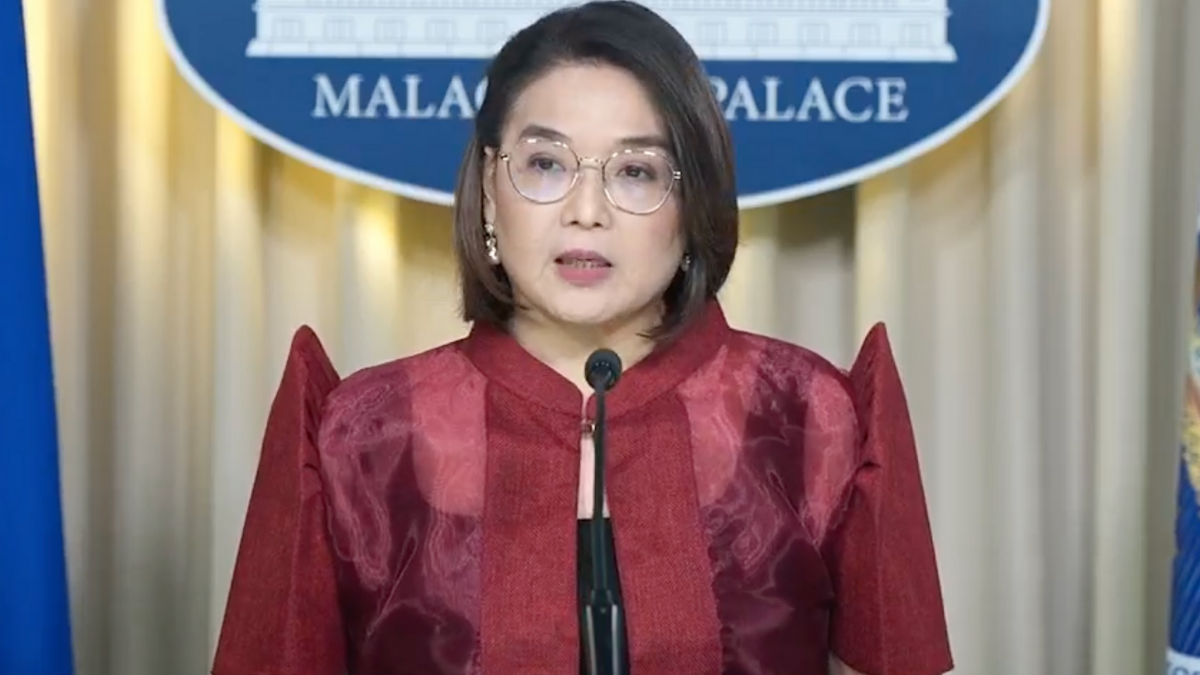
Palace Press Officer Claire Castro said the statements attributed to Singson—particularly his urging of people to work toward ousting the President—raise legal questions that warrant scrutiny by authorities. Speaking over radio DZMM, Castro said the Department of Justice has the authority to look into the issue on its own initiative.
Castro added that determining whether Singson’s remarks crossed a legal threshold would depend on whether his appeal actually persuaded others to act. She emphasized that the justice department, not the Palace, should evaluate the facts and decide on possible action.
The Palace official also brushed aside Singson’s challenge for President Marcos to engage in a public debate on corruption, saying such an exchange would not address the problem. Castro said the President remains focused on governance, including work on the national budget, and argued that concrete measures—not public debates—are the appropriate response to corruption concerns.

She further noted that discussions about corruption should have taken place earlier, pointing to past admissions made during the previous administration as a more relevant period for such debates.
Singson earlier called on religious groups, youth organizations, and opposition figures to mobilize against what he described as corruption in government, saying he was prepared to encourage broader participation in the effort. He claimed that responsibility for alleged wrongdoing extended beyond a single official and included the President, asserting that those involved were fully aware of the acts in question.
When asked about the timing of the proposed protest, Singson said February was a possible window but stressed that the final decision should rest with the groups involved. He said he preferred that young people take the lead in setting the date, arguing that corruption had undermined their future and urging them to stand up without fear.
