



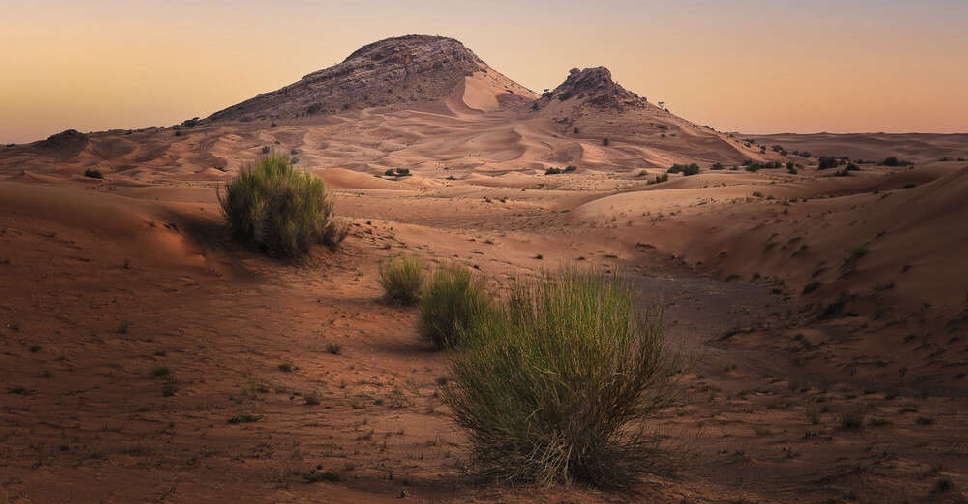

The ancient Faya palaeolandscape in central Sharjah has officially joined the prestigious Unesco World Heritage List, marking a significant milestone for the UAE’s cultural and archaeological legacy.

As reported by The National, this designation was confirmed during the 47th session of Unesco’s World Heritage Committee in Paris, making Faya the second site in the UAE to receive such global recognition after Abu Dhabi’s cultural sites in Al Ain.
Faya stands out as one of the world’s oldest continuous records of early human presence, dating back more than 210,000 years. The area, a tranquil expanse of desert and limestone ridges today, has become a critical window into human innovation and survival in arid conditions.
“For over 210,000 years, this site has borne witness to the story of human innovation, resilience, and adaptation in an arid environment,” said Sheikha Bodour bint Sultan Al Qasimi, ambassador for the site’s Unesco nomination. She described the area as “a living testament to humanity’s early presence in this region.”

Excavations over the past three decades have revealed 18 occupation layers and numerous handmade tools, challenging the belief that the Arabian Peninsula merely served as a migration route from Africa. Instead, evidence suggests early humans may have settled in Faya, using changes in climate to sustain life in the region.
Eisa Yousif, director general of the Sharjah Archaeology Authority, emphasized the site’s global importance, stating, “Faya now belongs to all peoples of the world, just as it did over 200,000 years ago.”
A comprehensive management plan for the site is already in place, aiming to ensure responsible preservation, ongoing research, and public engagement until at least 2030. This plan aligns with Unesco’s heritage standards, balancing protection with educational access.
