



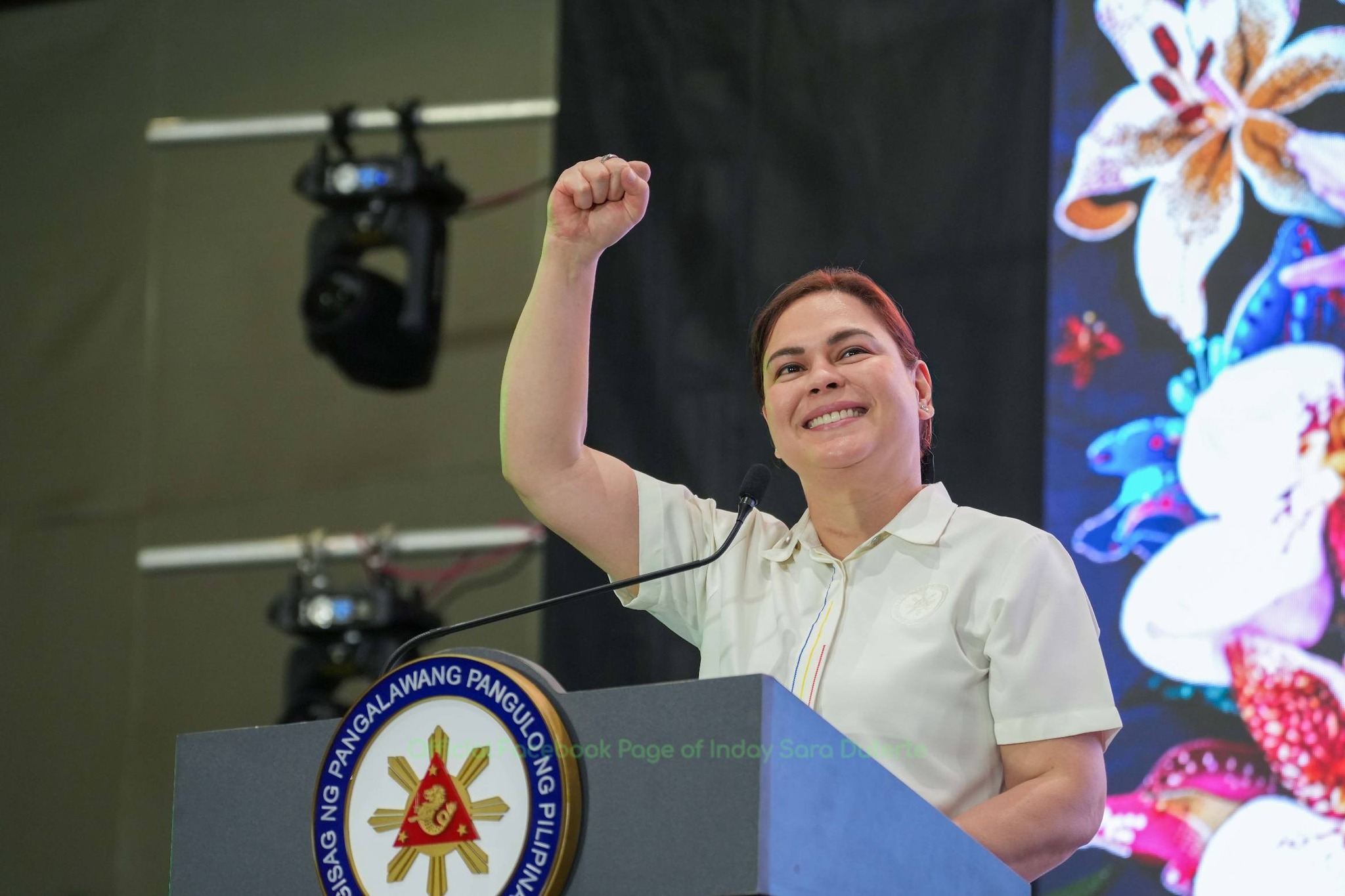

A civil society coalition has decided to pull its impeachment complaint against Vice President Sara Duterte, choosing instead to throw its weight behind a separate filing it believes stands a better chance of reaching a Senate trial.

Tindig Pilipinas, which submitted the second of three impeachment complaints against Duterte, announced the move on Sunday — a day before the House Committee on Justice was set to begin deliberations on March 2.
“Consolidating our support behind the third complaint will strengthen our position and help move the case forward to the Senate impeachment court,” the group said in a statement.
The third complaint, lodged on February 9 by religious groups, priests, and lawyers, centers on the alleged misuse of at least P612 million in confidential funds, framing the charges as betrayal of public trust and graft and corruption. Tindig Pilipinas said the filing contains “the same grave allegations and substantial evidence” as its own complaint and that backing it avoids what the group called procedural limbo and unnecessary legal delays.

“Dapat nang managot si VP Sara sa pandarambong at pang-aabuso niya sa kapangyarihan sa lalong madaling panahon,” the organization added — roughly translated as: VP Sara must be held accountable for plunder and abuse of power as soon as possible.
Tindig Pilipinas had filed its complaint on February 2 through convenor Kiko Aquino Dee, former presidential peace adviser Ging Deles, and Father Flavie Villanueva, among others. That complaint was endorsed by Leila de Lima of ML Party-list and Akbayan Representative Percy Cendaña. It accused Duterte of constitutional violations, graft and corruption, bribery, unexplained wealth, gross incompetence, abuse of power, and tolerating extrajudicial killings. The formal withdrawal is set for Monday.
Under the House committee’s process, complaints found sufficient in form and substance trigger a formal notification to the Vice President, who then has 10 calendar days to submit a response. Complainants and the respondent are each given additional days for a reply and rejoinder, respectively. The committee then votes on probable cause by majority of all members. If at least one-third of the full House adopts the committee report in plenary, the Articles of Impeachment move to the Senate for trial.
