



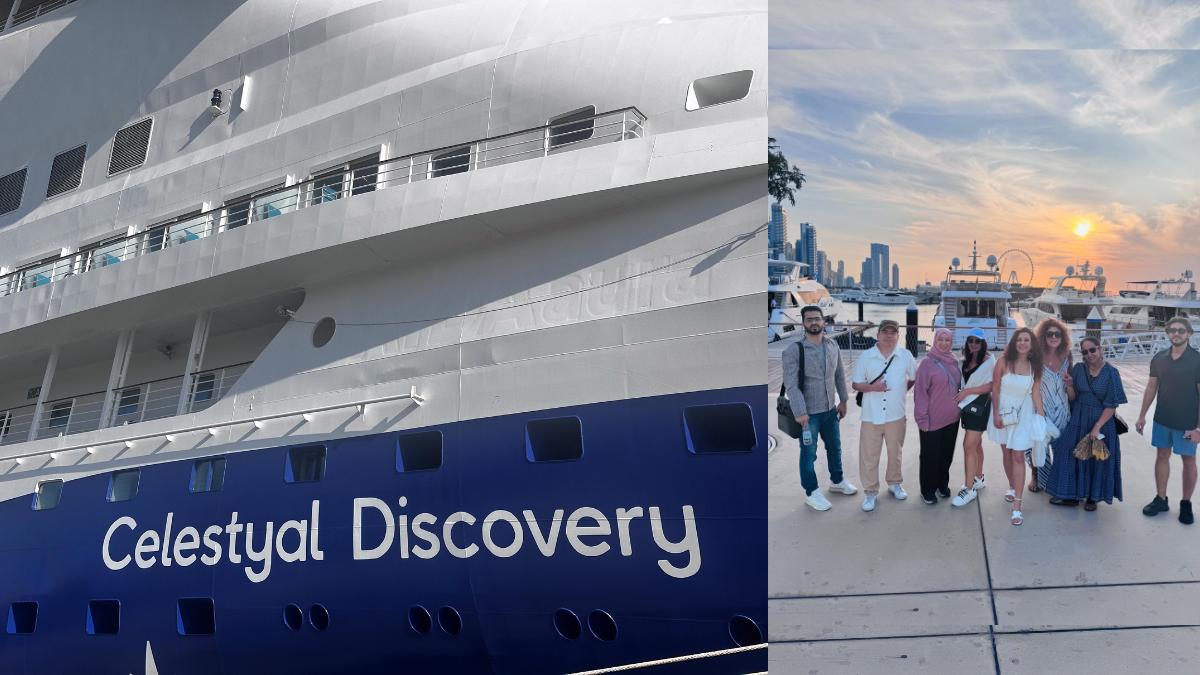

The first thing I noticed was the silence.

Just after sunrise, the ship moved steadily through calm Gulf waters, the horizon soft and almost empty. There was no announcement to mark the morning, no sense of urgency—only the low vibration of the vessel and a feeling that time had been deliberately slowed. It was an unassuming start that captured the tone of the Celestyal Iconic Arabia Cruise: measured, composed, and uninterested in spectacle for its own sake.

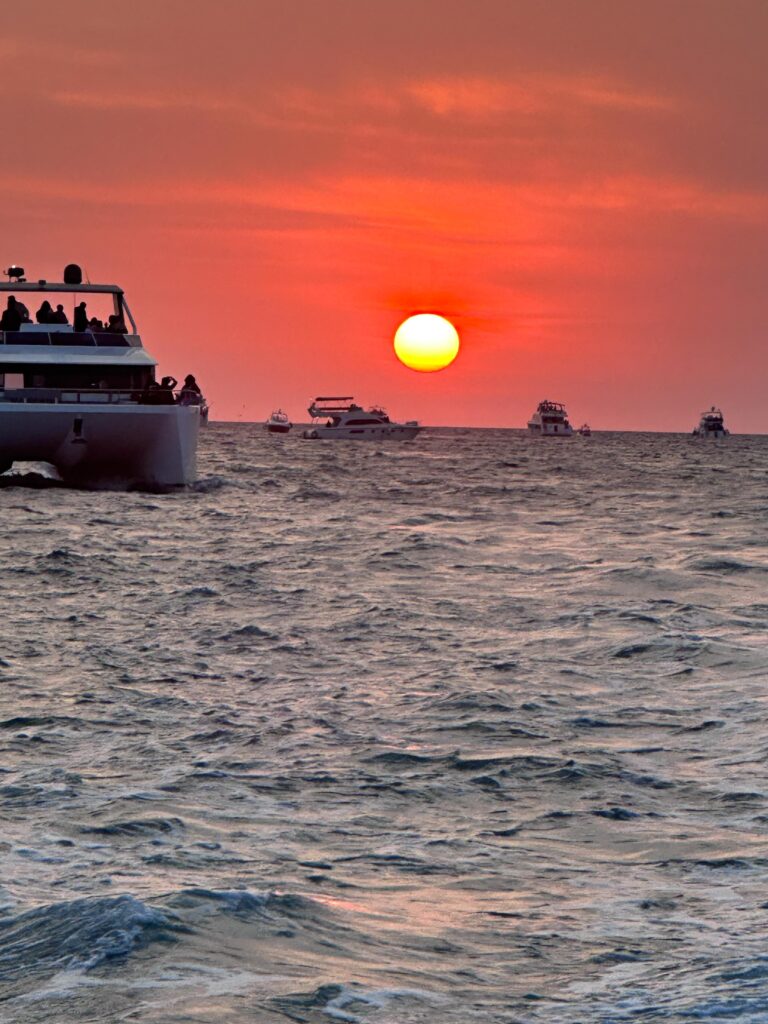
Aboard Celestyal Discovery of Celestyal Cruises, the journey through Dubai, Abu Dhabi, Ras Al Khaimah, Qatar, and Oman feels less like a race between ports and more like a continuous passage. Destinations matter, but so does the space between them. The ship’s scale plays a role in that. It is large enough to offer variety, yet small enough to avoid the anonymity that often defines big-ship cruising.
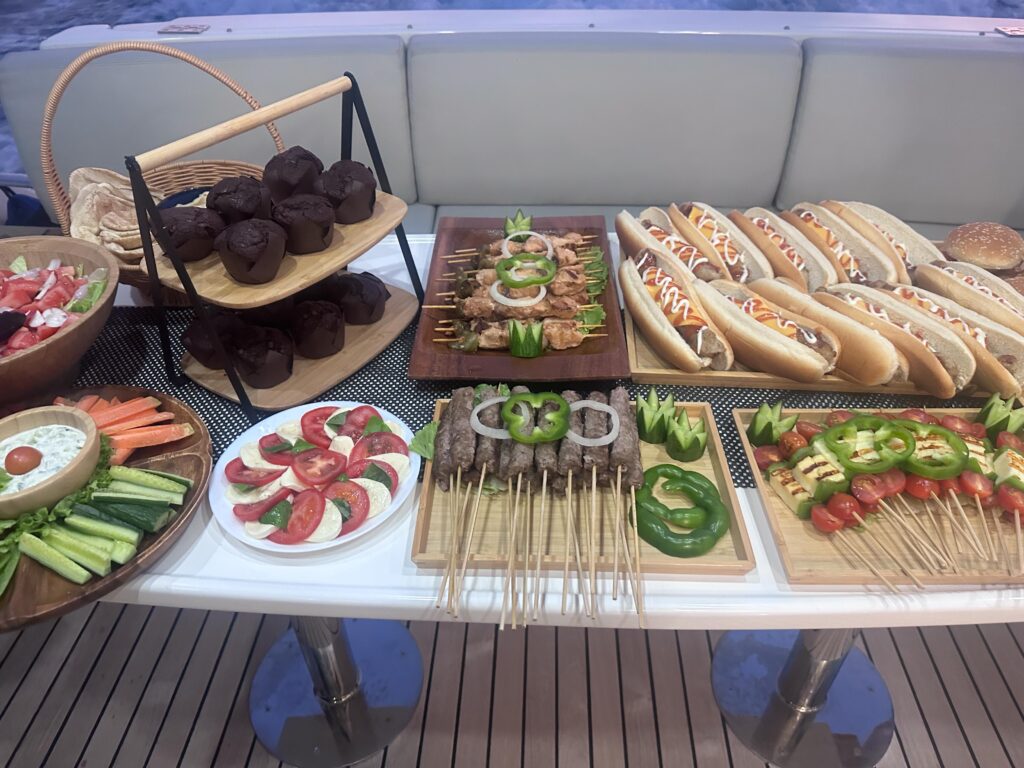
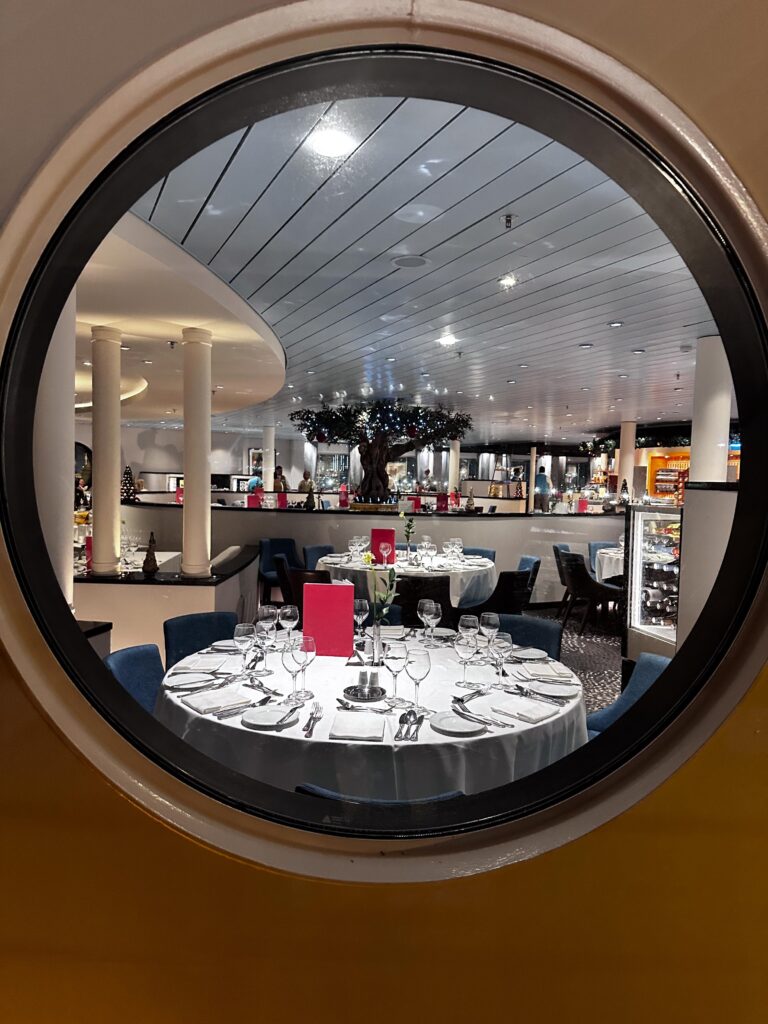
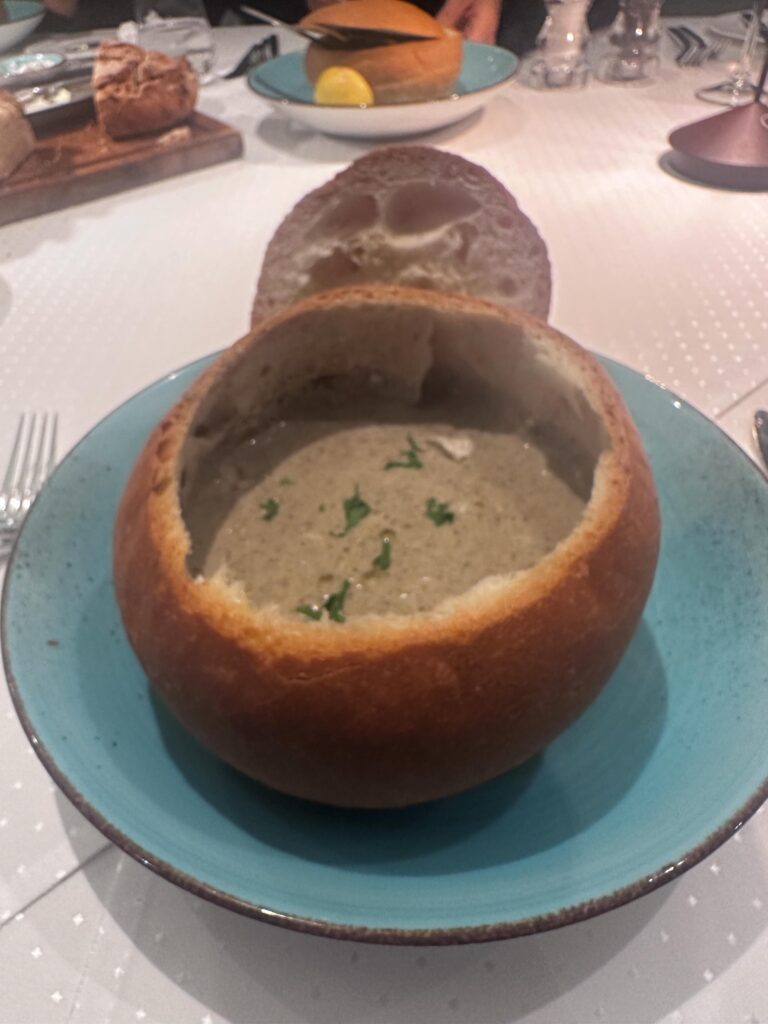
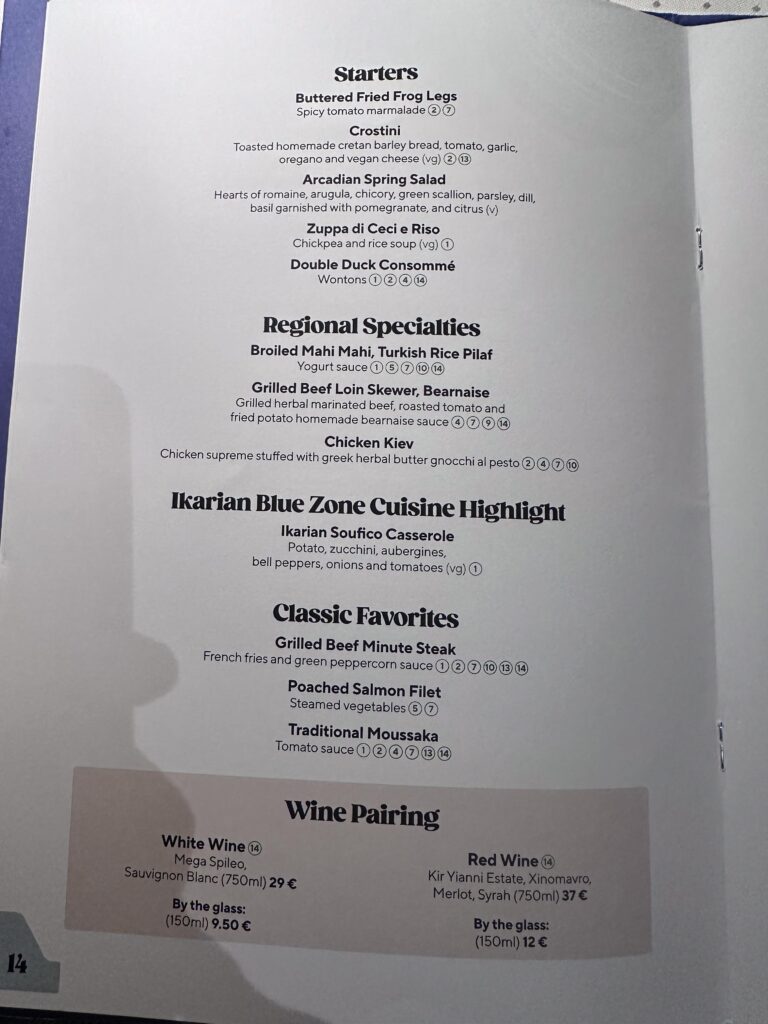
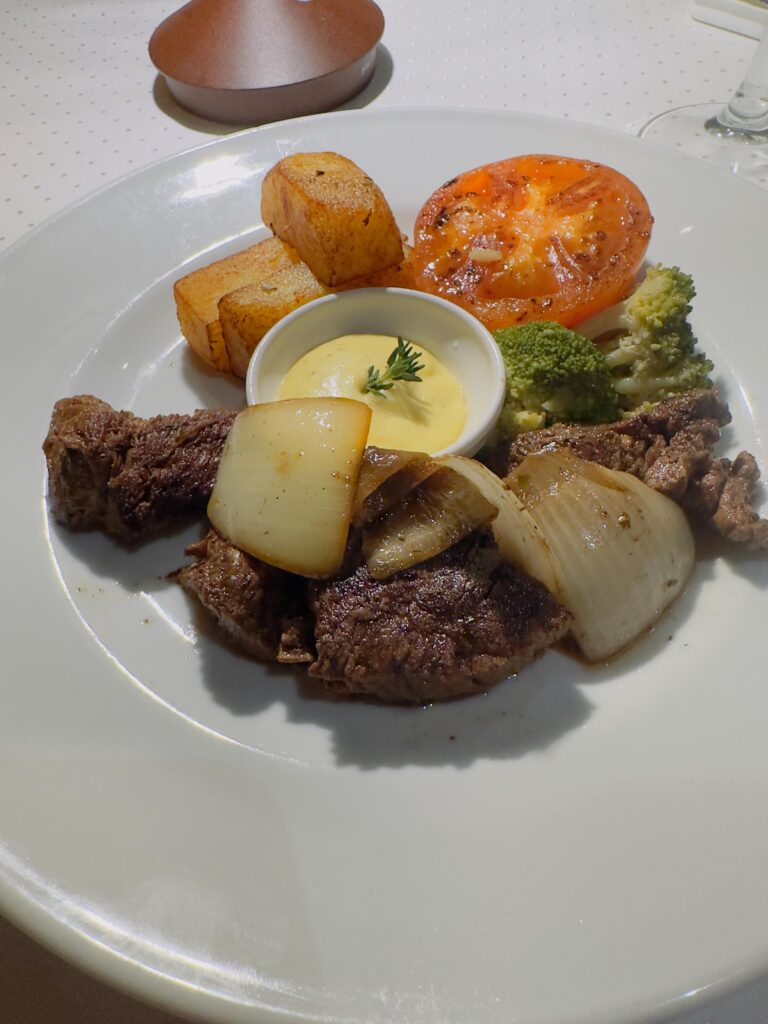
Days begin gently. Breakfast unfolds across venues with sea-facing windows or understated Mediterranean interiors, where no one seems in a hurry to clear tables. That unforced rhythm carries into the rest of the day. Lunch might be a casual buffet or a quieter sit-down meal, and afternoons are left open—some guests head ashore, others stay onboard, reading or watching the coastline slip past.
The itineraries are structured to suit different travel styles, and the pricing reflects that flexibility. Shorter three-night sailings, often chosen by first-time cruisers or those looking for a brief escape, start at around €237 (about AED 990) for an inside cabin. Oceanview cabins on these itineraries are priced from roughly €297 (AED 1,240), while balcony options begin at about €714 (AED 2,980).


Four-night cruises allow more time to settle into the ship’s pace, with inside cabins typically starting at around €409 (AED 1,706), oceanview cabins from €514 (AED 2,144), and balcony accommodations from approximately €974 (AED 4,060). For travelers opting for the full seven-night journey across the Gulf, prices generally begin at about €668 (AED 2,785) for inside cabins, rising to €829–€1,099 (AED 3,460–4,585) for oceanview rooms, and from €1,581 (AED 6,600) and up for balcony cabins. These fares cover accommodation, onboard dining, and entertainment, while shore excursions, specialty drinks, and gratuities are handled separately.
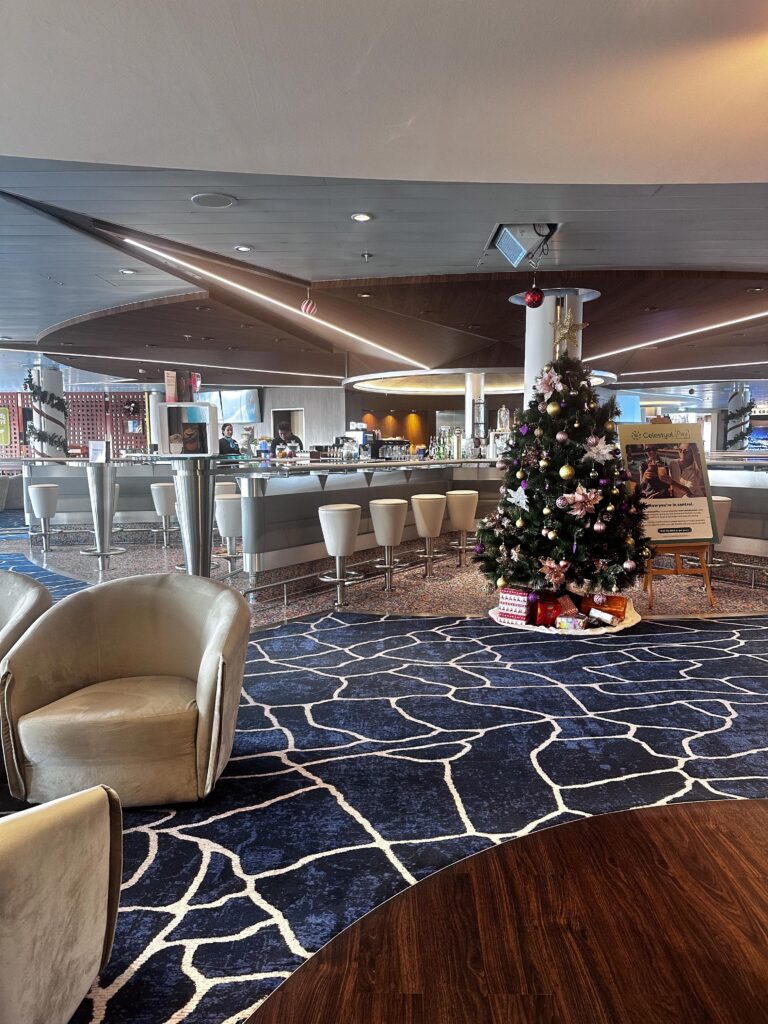
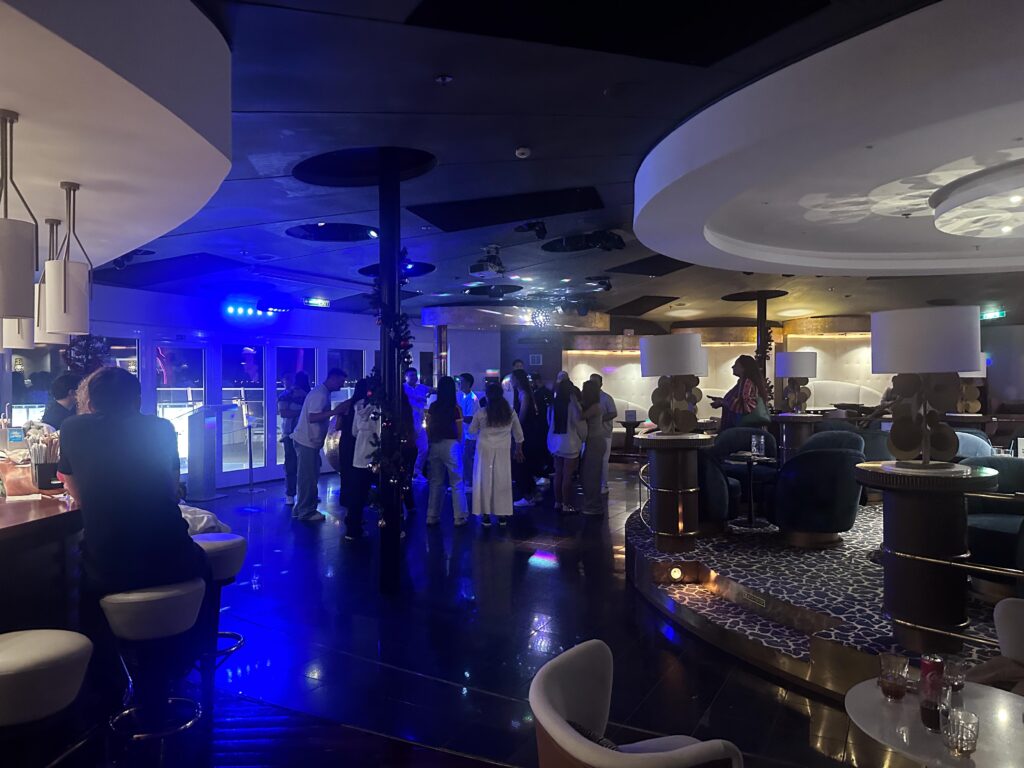
Evenings onboard are understated. Live performances and music are available, but they don’t dominate the ship’s atmosphere. Lounges remain places for conversation as much as entertainment, and it’s easy to spend an entire night simply sitting with a view of the sea, unnoticed and unbothered.
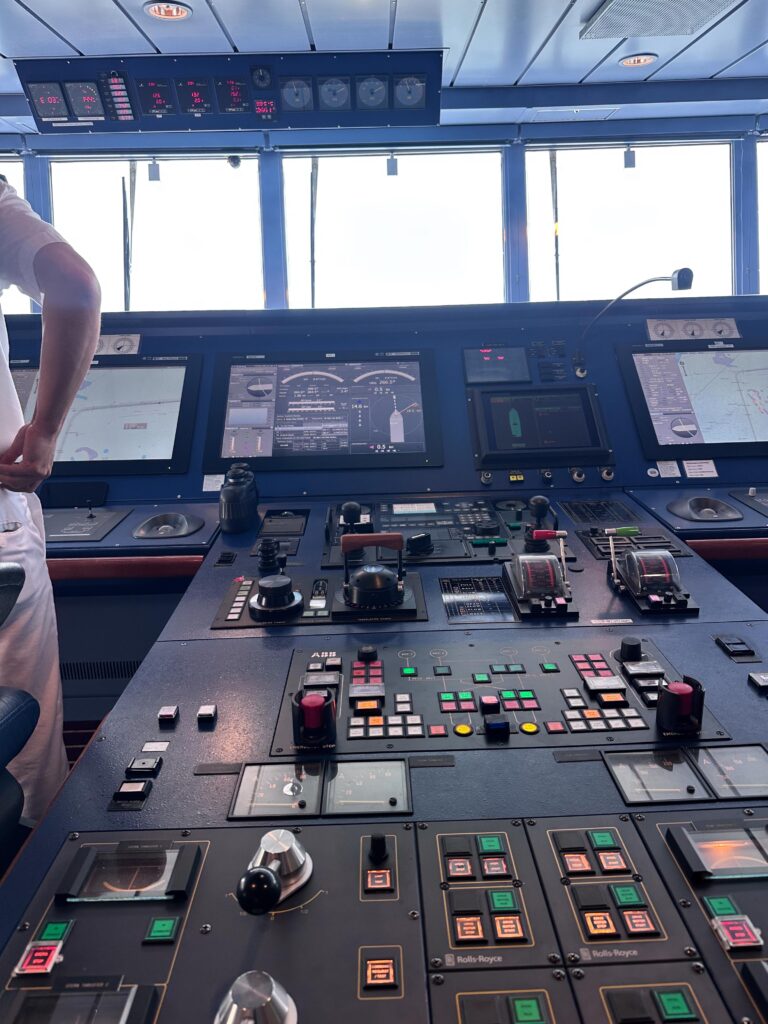

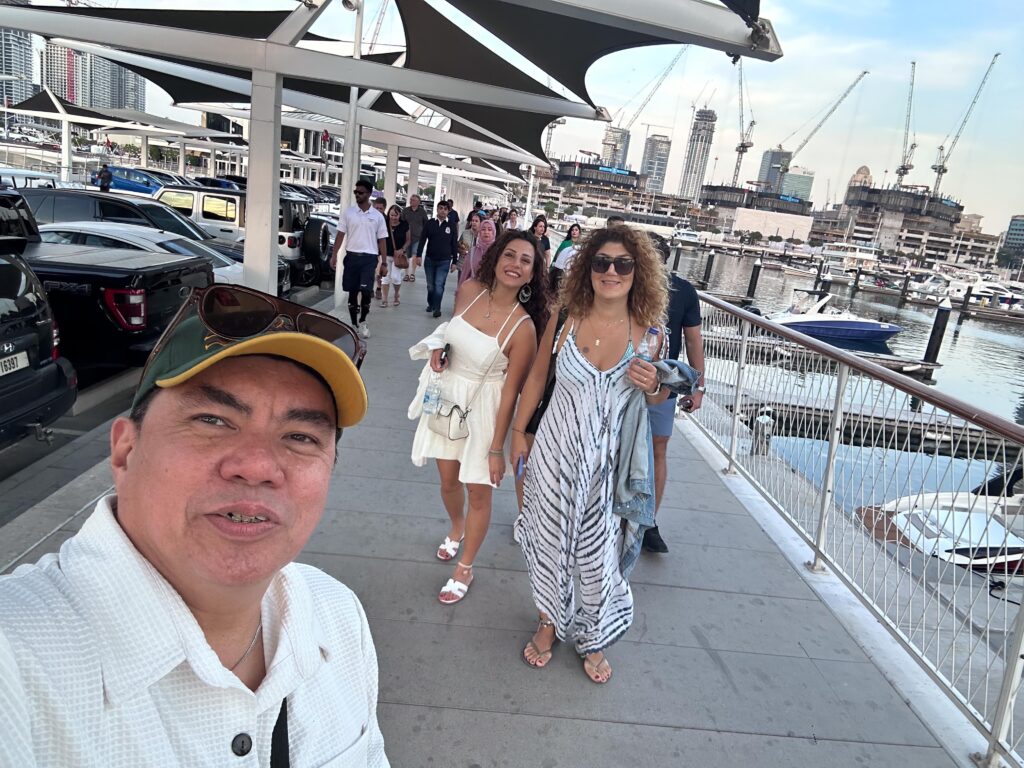
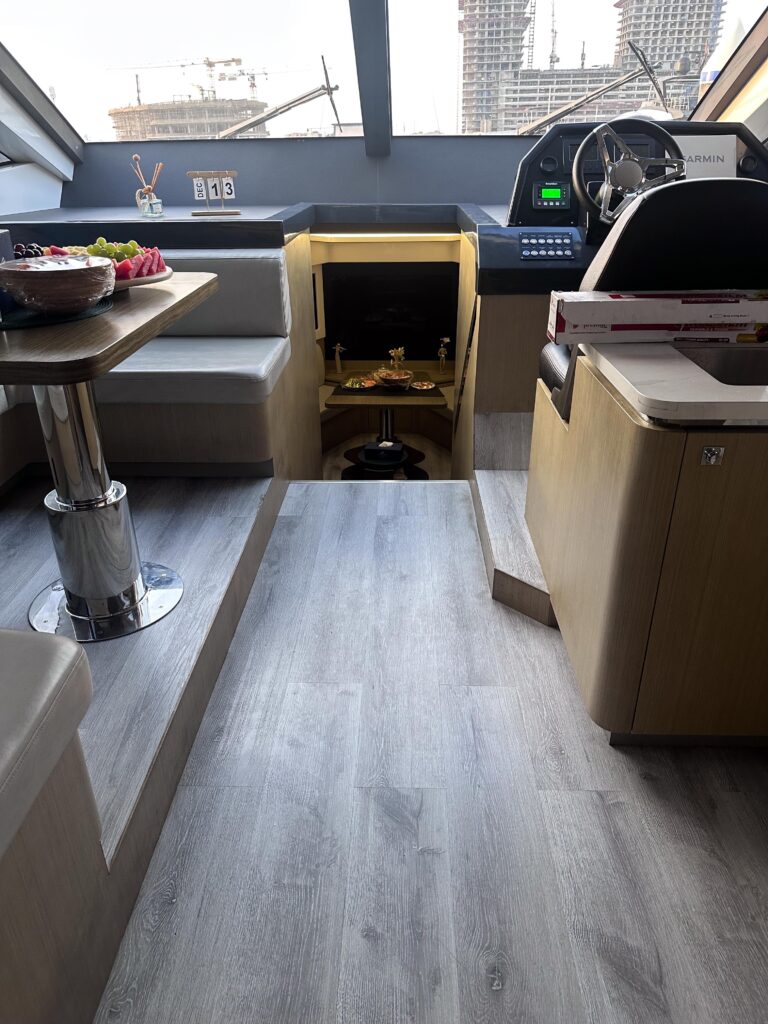
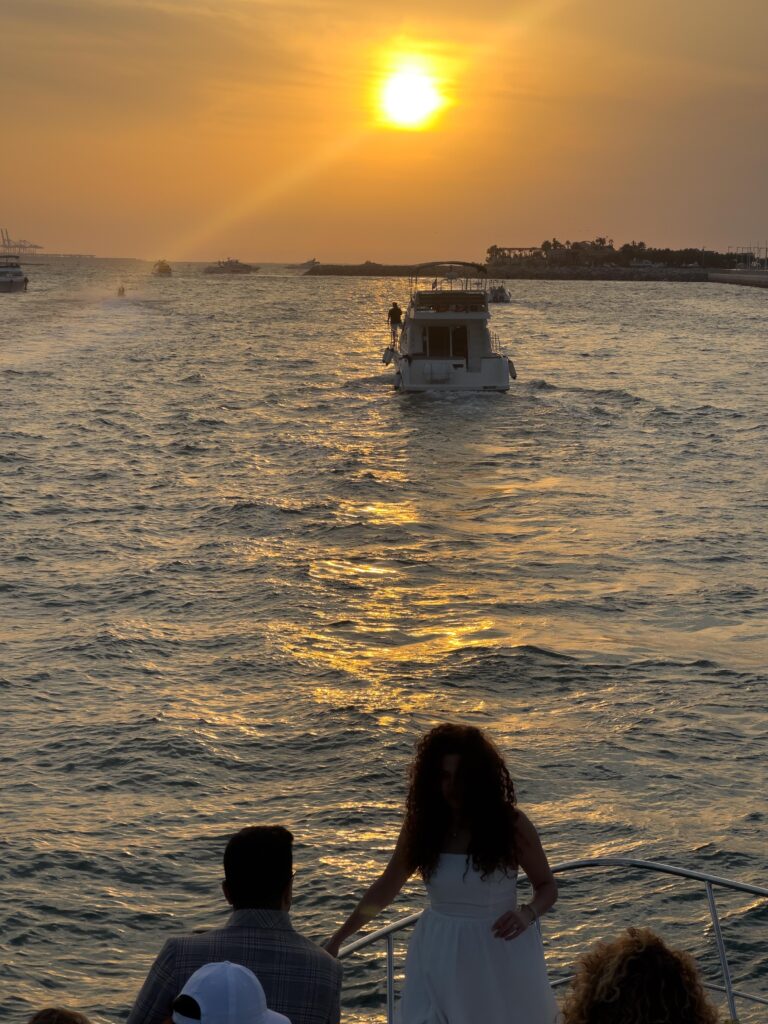
Shore experiences add contrast rather than disruption. In Dubai, one optional excursion returns guests to the water on a smaller scale—a shared yacht experience priced at around €53 (about AED 230) per person, or private charters starting from roughly €300 (AED 1,240) per hour. From that vantage point, the city’s skyline appears calmer, its scale softened by distance.
Abu Dhabi presents a different shift in tone. A visit to Sir Bani Yas Island offers a wildlife experience rooted in conservation rather than display. The official half-day shore excursion is priced at about €87 (AED 320), with independent guided safaris available from around €57 (AED 250). Seeing Arabian oryx, gazelles, and giraffes in an open setting reframes the idea of luxury away from architecture and toward access and preservation.
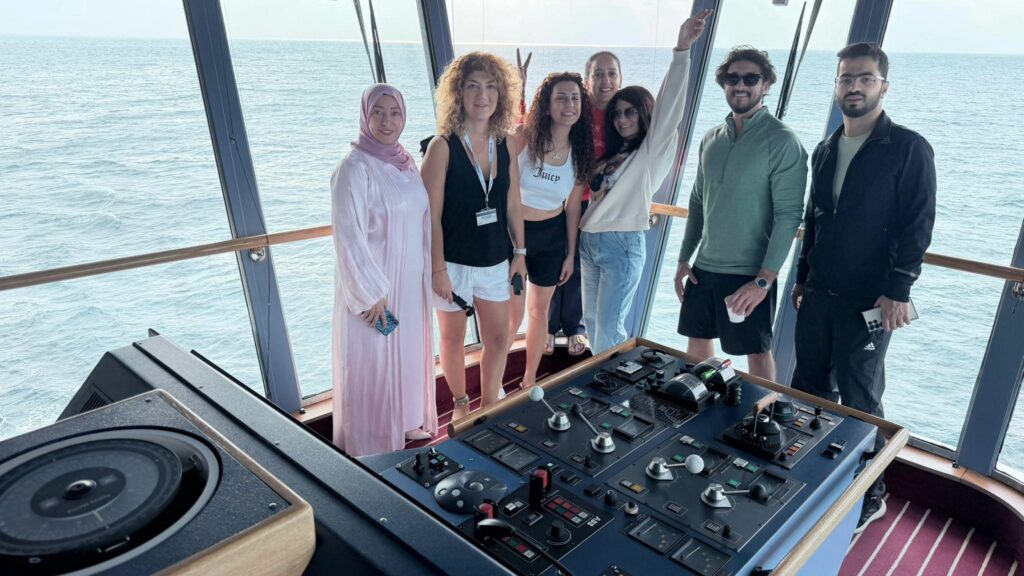
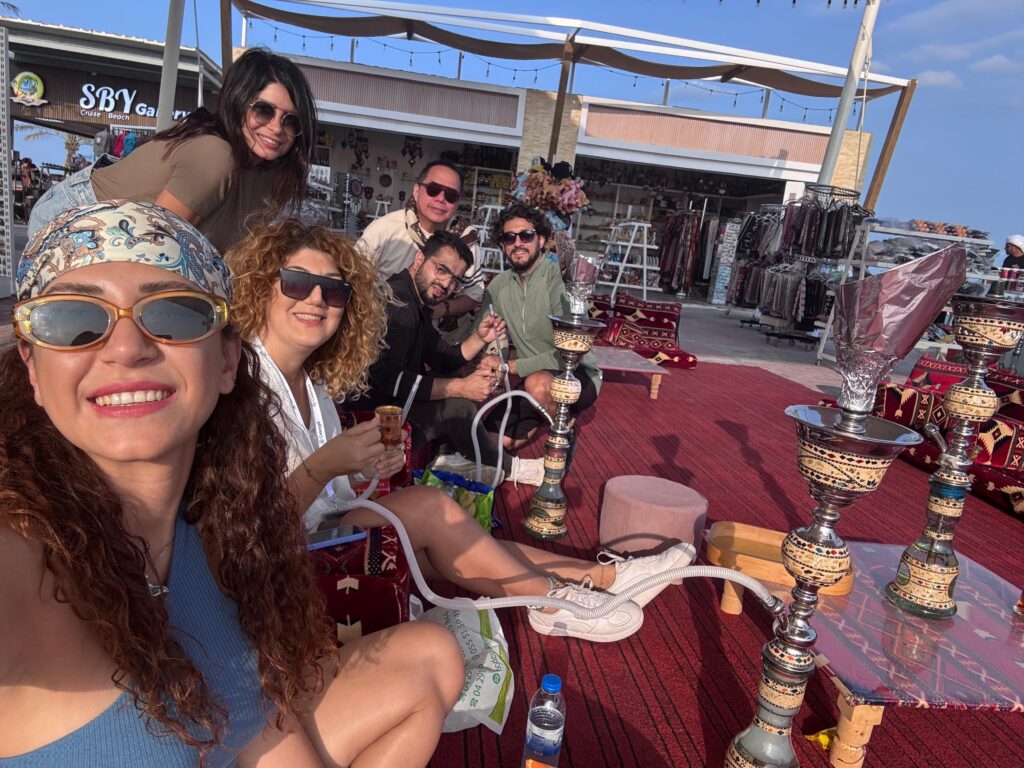
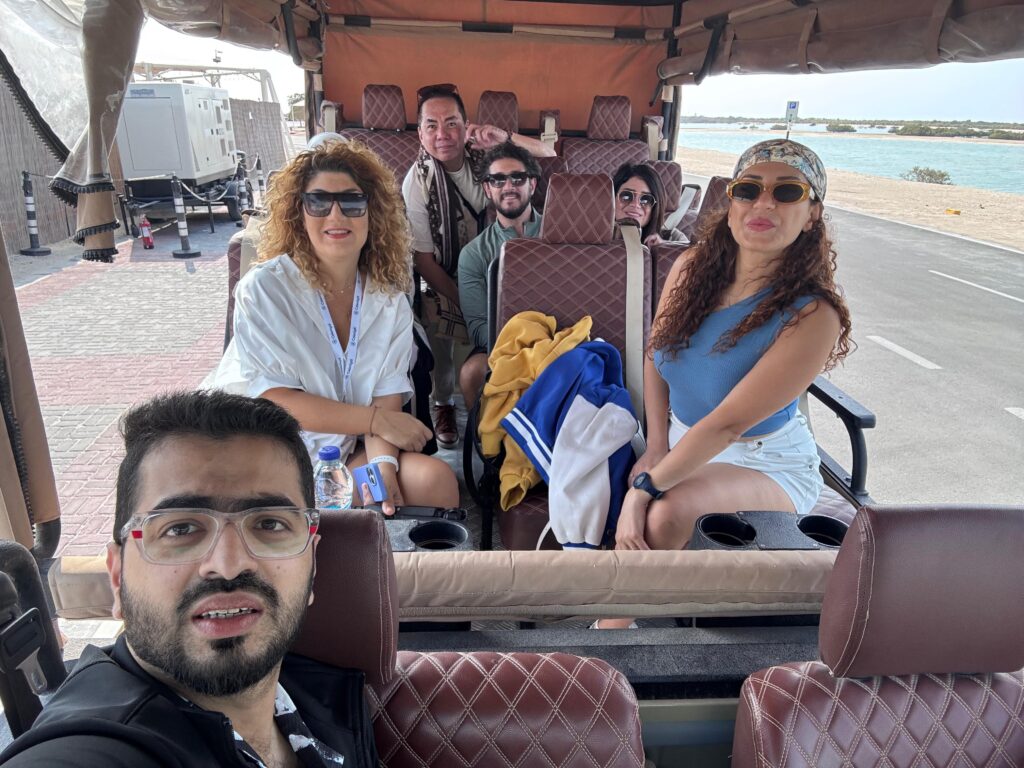

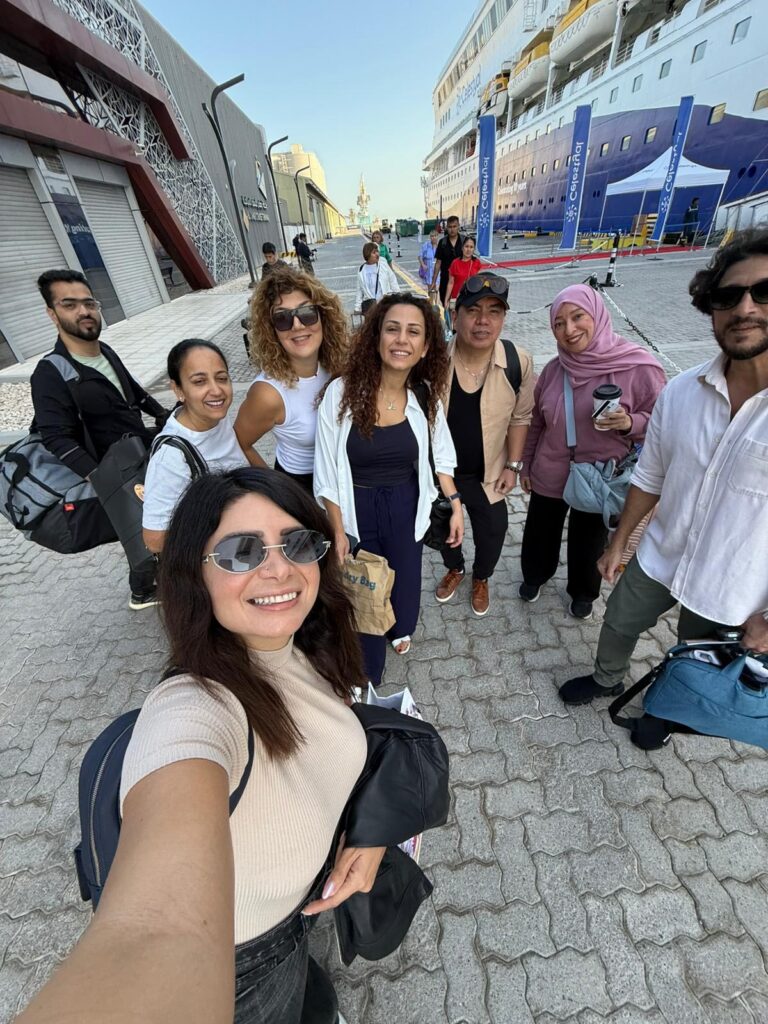

Beyond the headline ports, Ras Al Khaimah brings a quieter, more rugged character, while Qatar and Oman add layers of history and coastal identity. None of these stops compete for attention; instead, they accumulate, each contributing its own texture to the voyage.
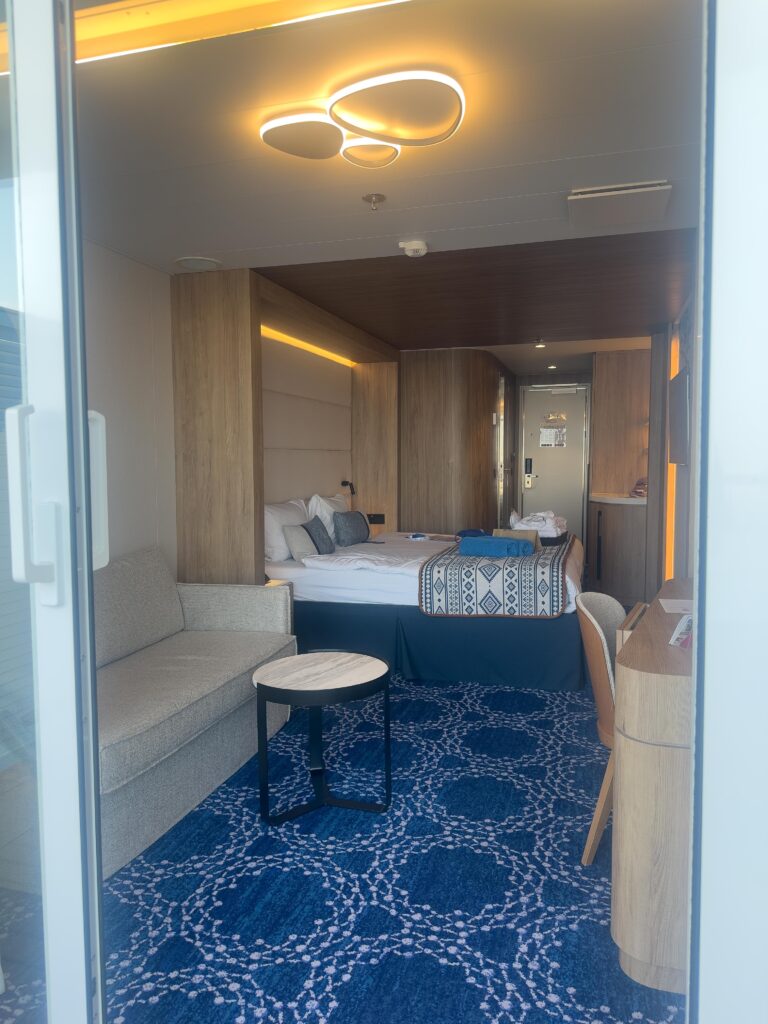
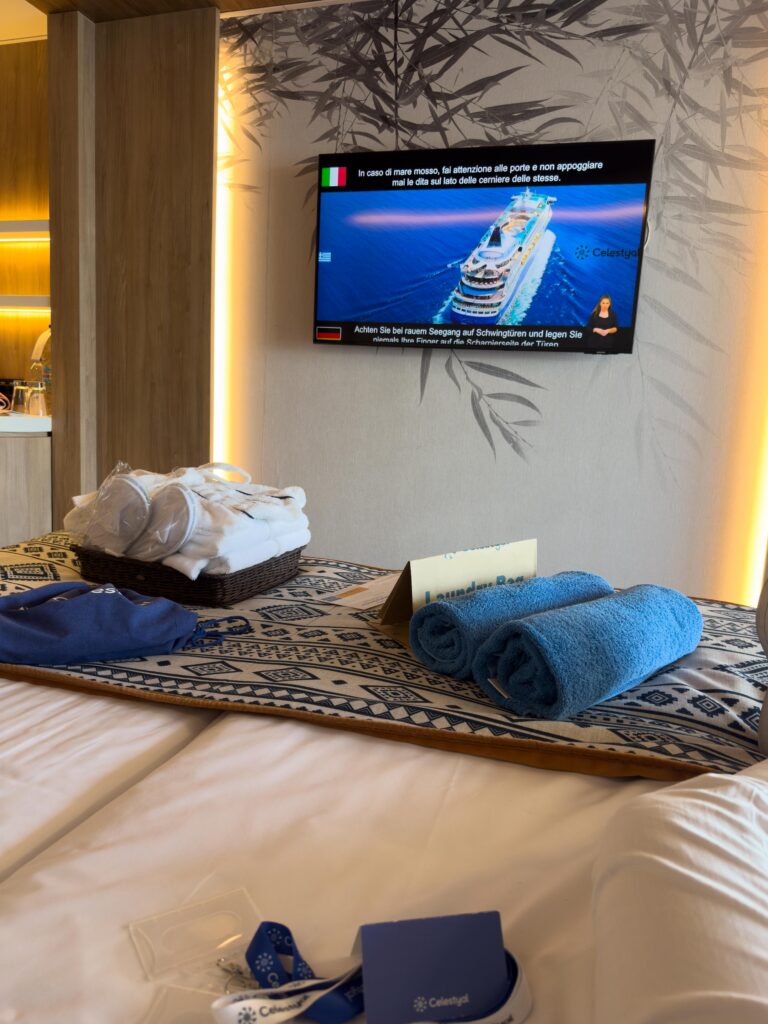
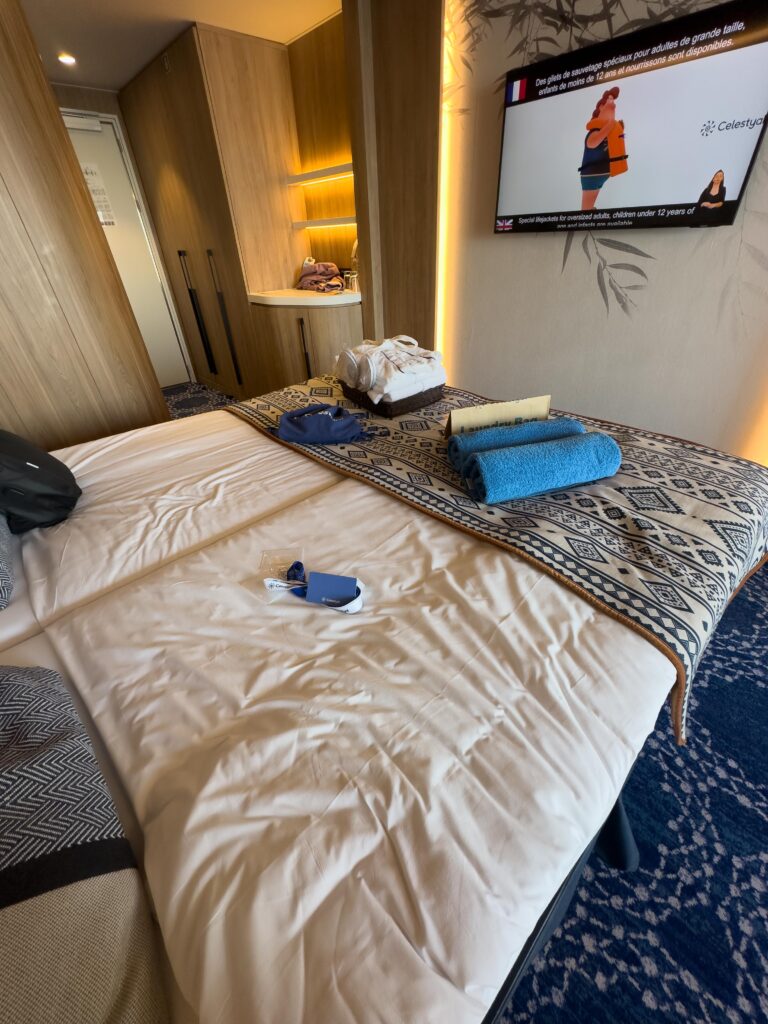
Cabins reflect that same sense of choice without excess. Inside cabins prioritize practicality, oceanview rooms bring in light, and balconies extend personal space outward toward the sea. The distinction feels less about hierarchy and more about how closely you want the water to follow you through the day.
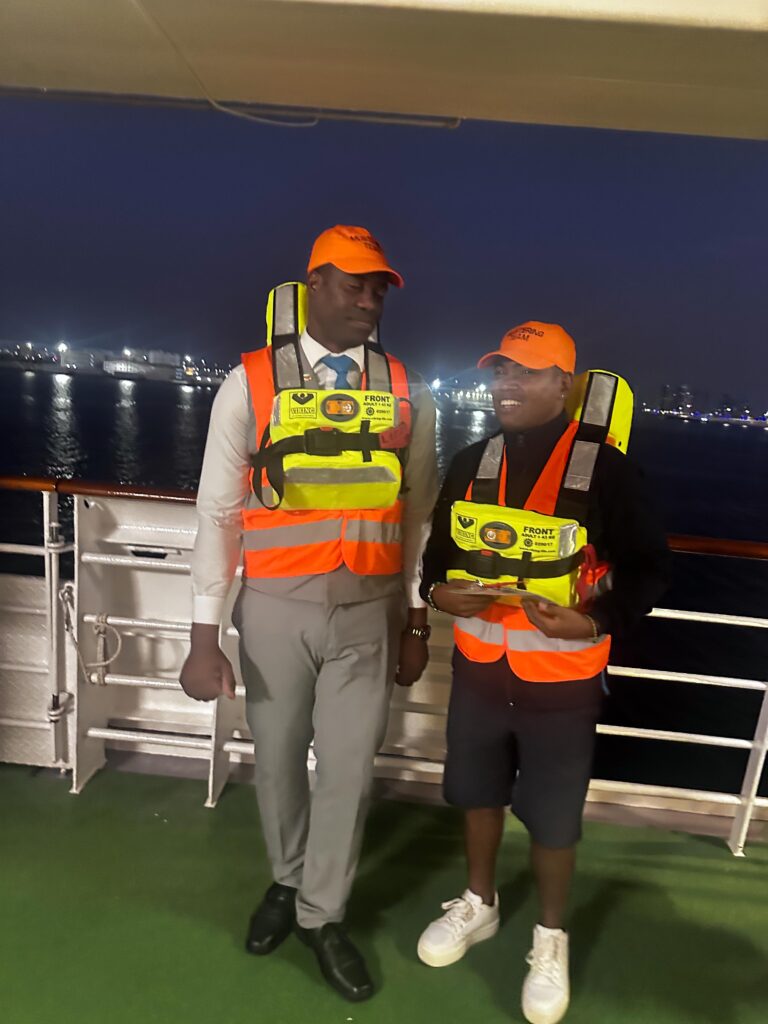
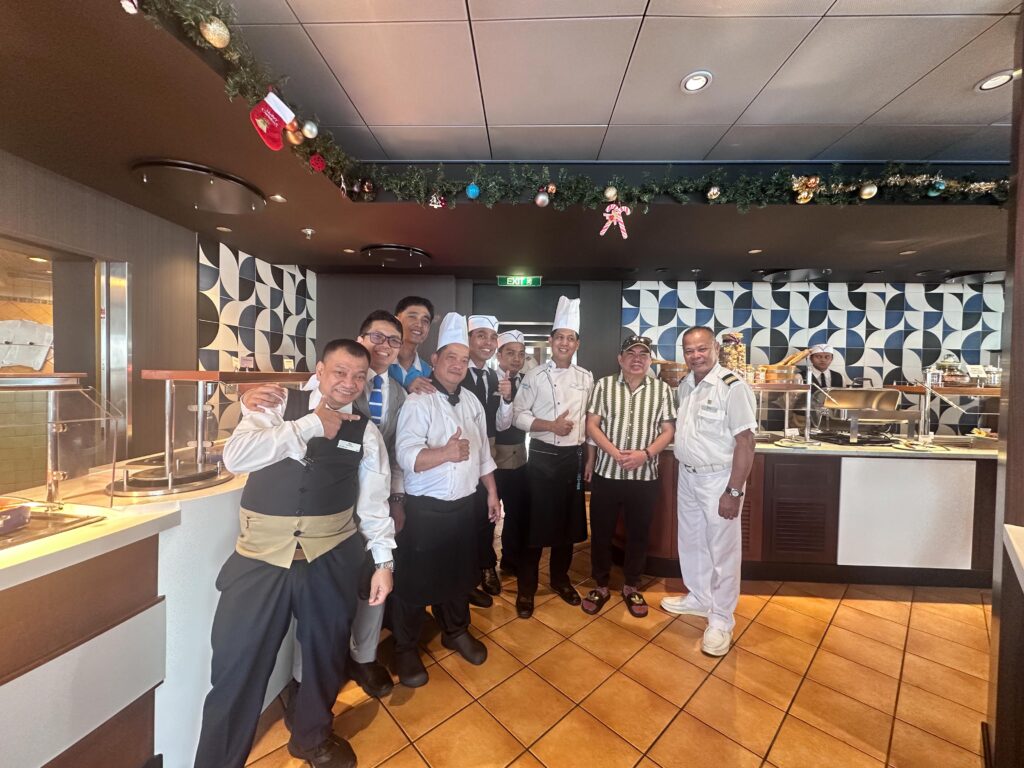
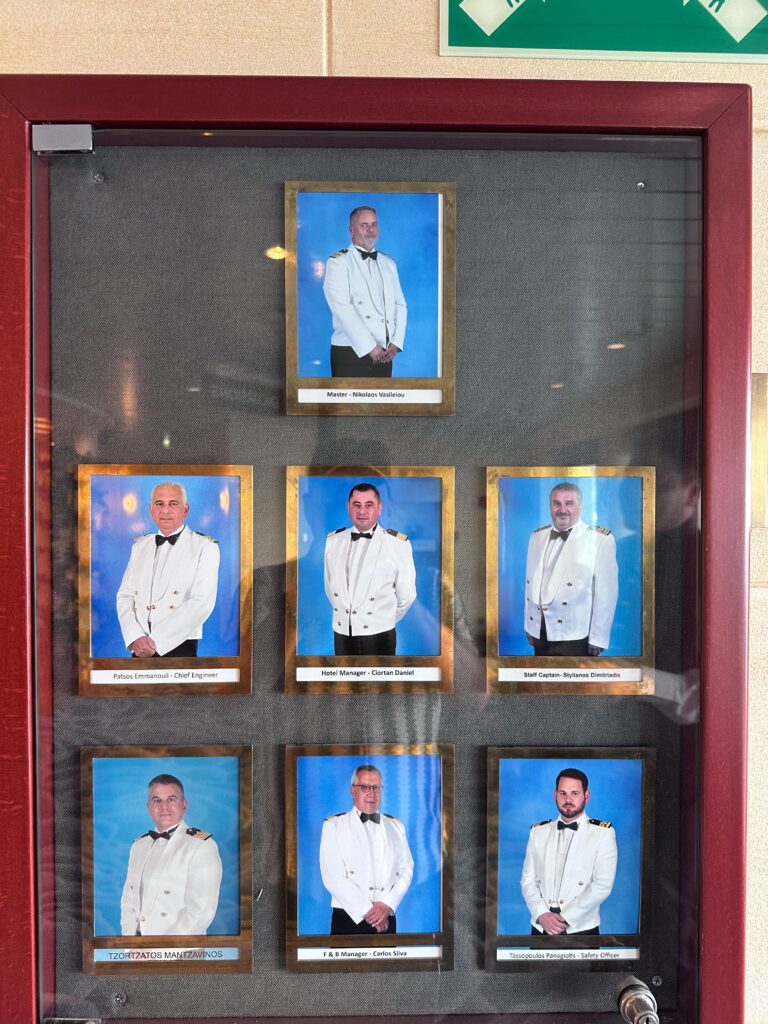
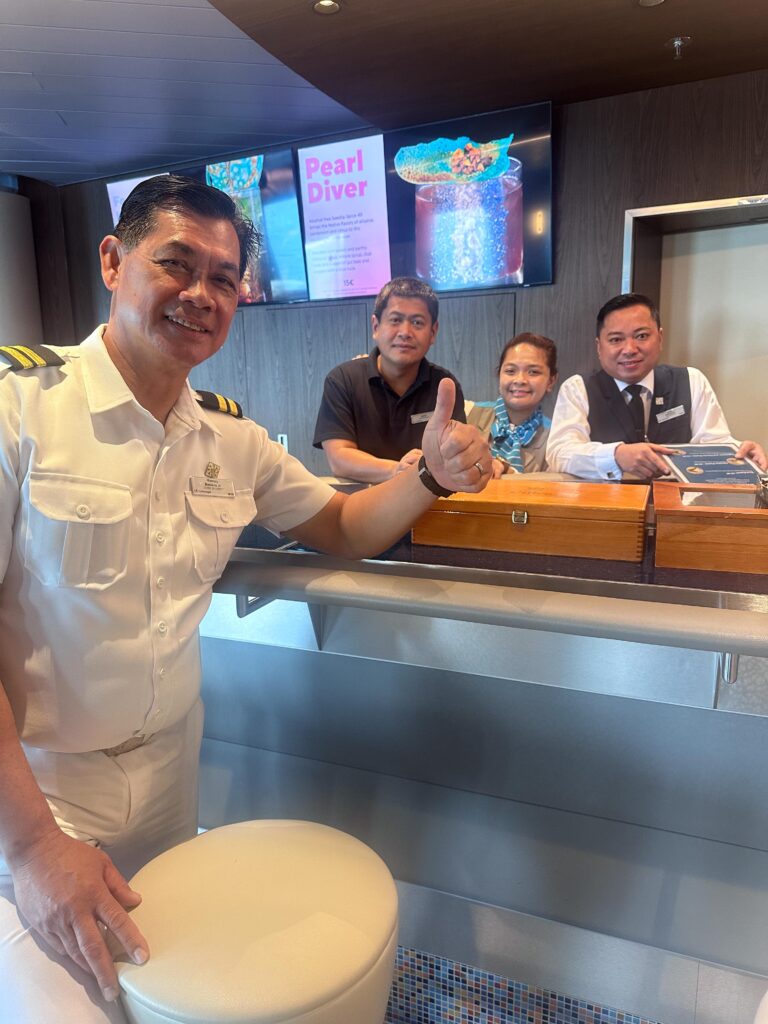
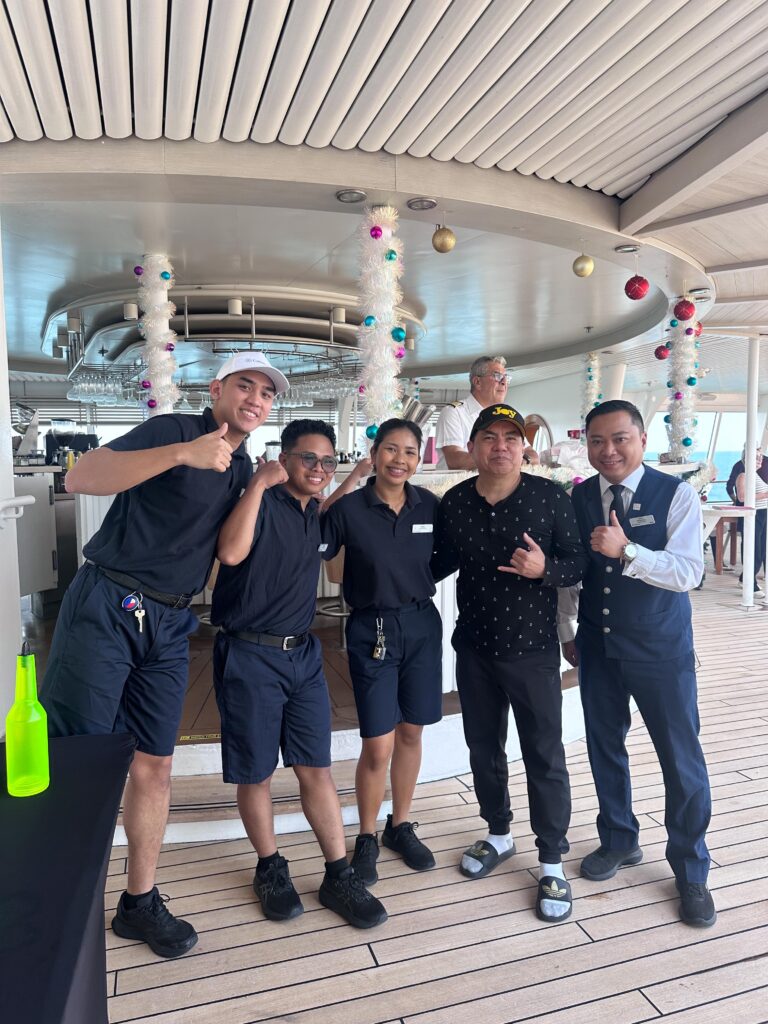
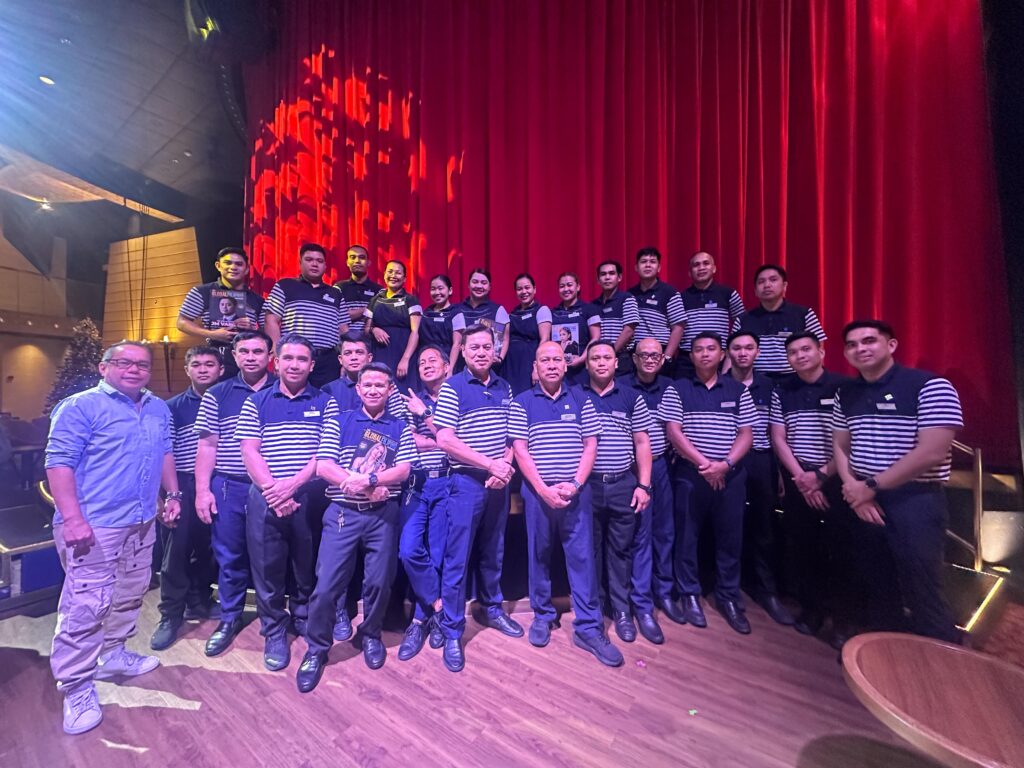
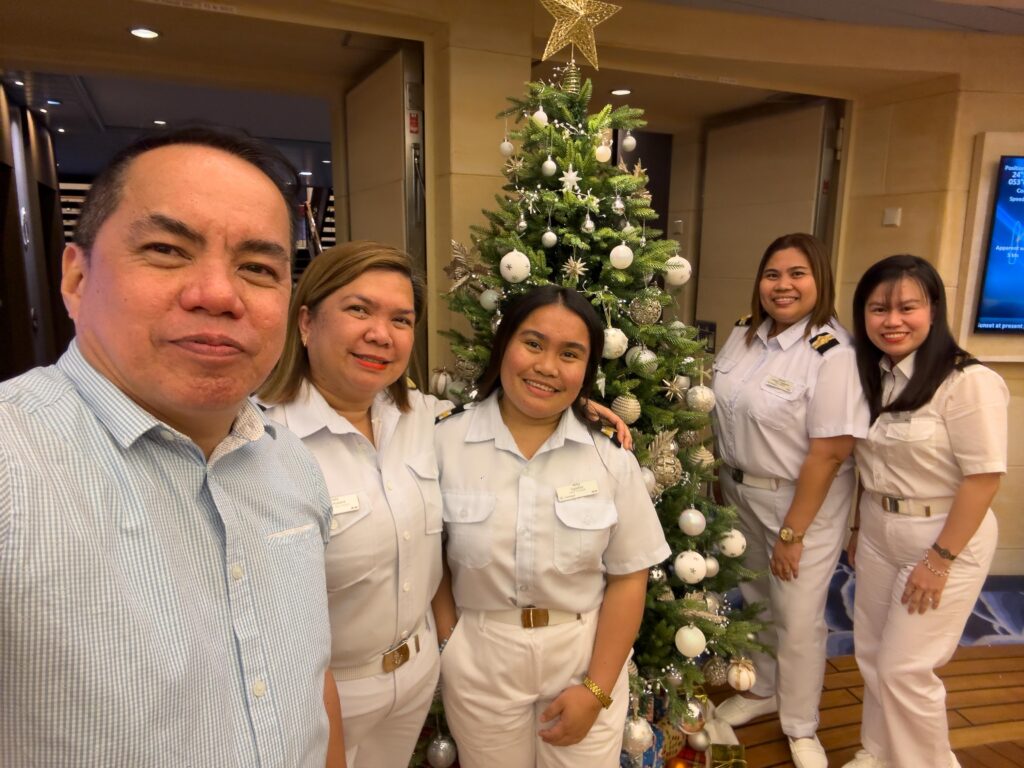
Service throughout the ship remains consistent and human. Requests are anticipated without being intrusive, and interactions feel conversational rather than rehearsed. It’s noticeable mostly because nothing feels forced.
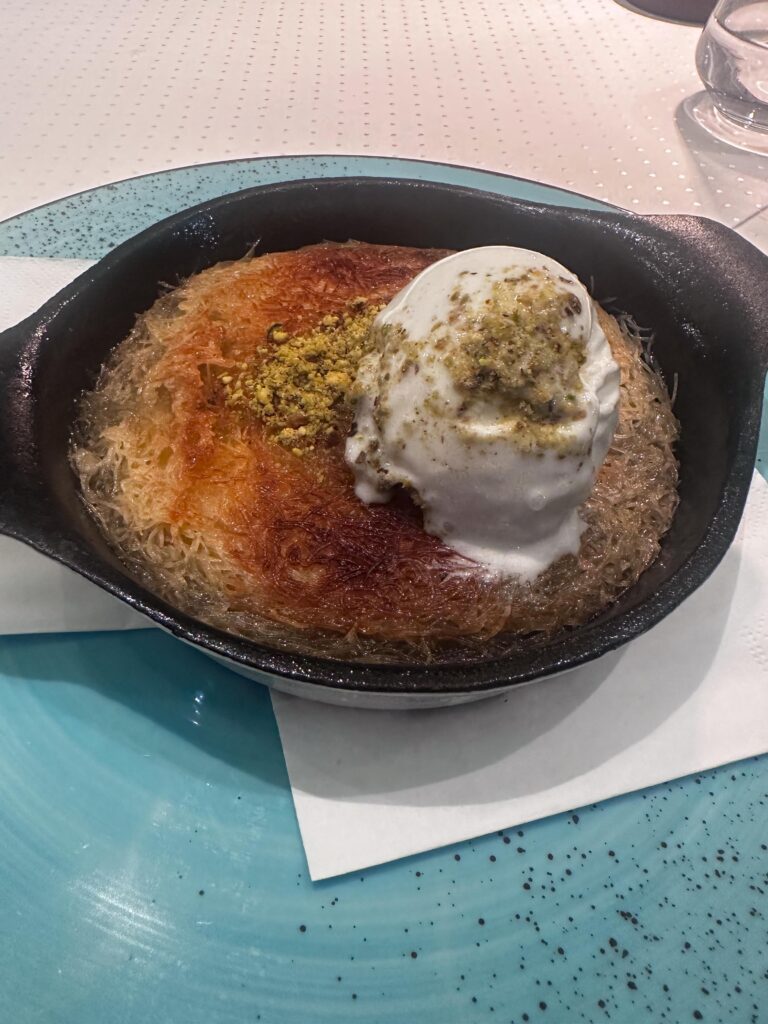


When the ship finally edges back toward port, there is no staged ending—just another quiet approach to land. The Celestyal Iconic Arabia Cruise doesn’t attempt to redefine the Arabian Gulf. It simply offers a way to move through it with time, clarity, and a sense that the journey itself has been given as much consideration as the destinations along the way.
