



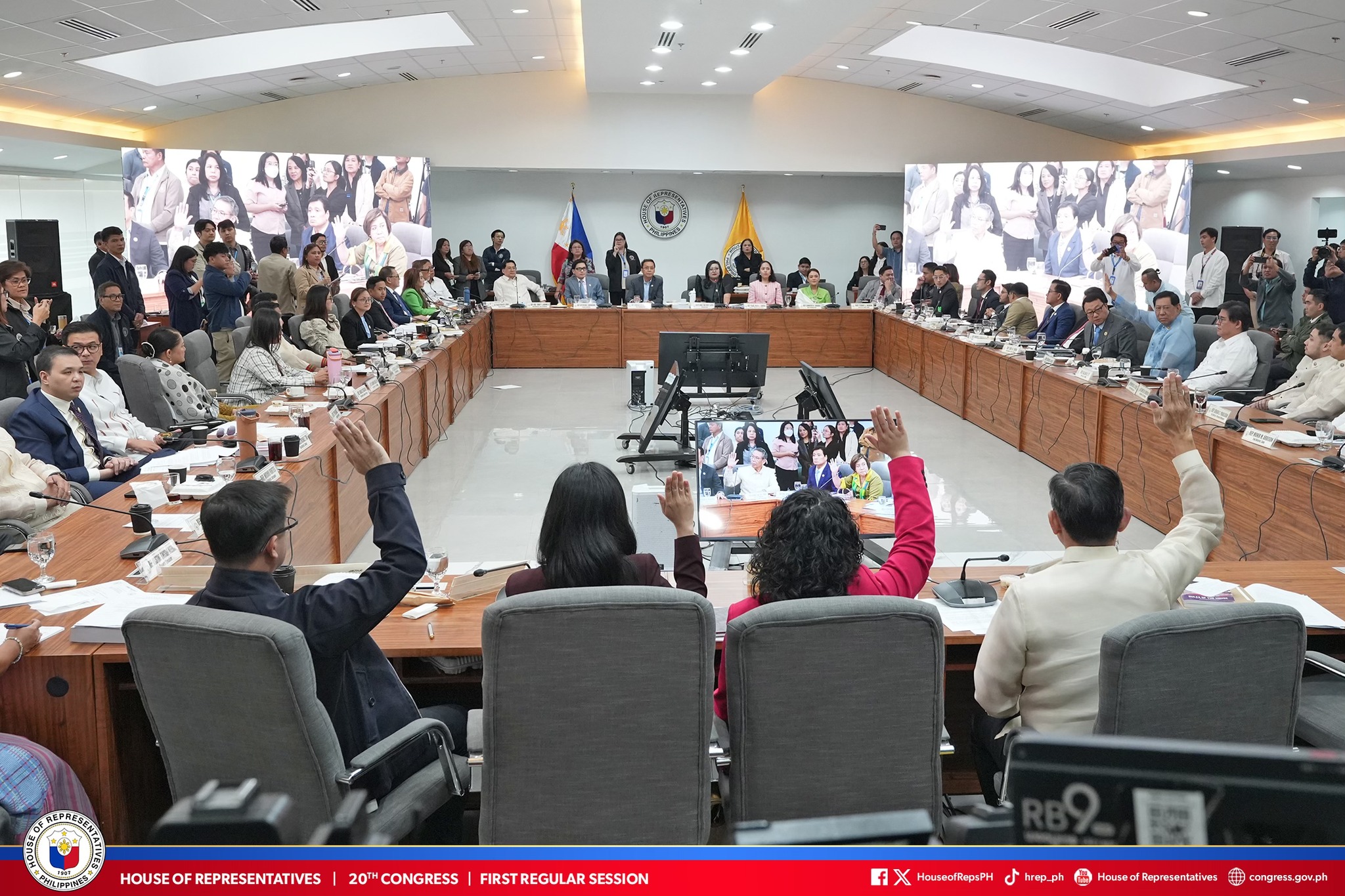

A proposed measure at the House of Representatives would automatically strip a sitting congressman of his seat if any relative up to the fourth degree of consanguinity or affinity is found holding a government construction contract — a sweeping prohibition that its authors want enacted even before the bill passes into law.

The National Unity Party filed the legislation last week targeting what its members call “cong-tractors,” a term for lawmakers who simultaneously benefit from government infrastructure deals. The party’s chairman, House Deputy Speaker Ronaldo Puno of Antipolo’s first district, said the proposal draws a hard line: no congressman’s family — cousins included — may secure contracts with any government agency, the Department of Public Works and Highways among them.
“The ban will cover the 4th degree of consanguinity or affinity. Even your cousins are banned from getting contracts from any government projects. It will not be allowed. Our thesis is that either you are a contractor or you are serving the government. It cannot be both,” Puno said.
Crucially, the NUP is not waiting for the Senate or Malacañang to act. The party has formally asked House leadership to incorporate the prohibition directly into House rules — a move that would make expulsion an immediate consequence rather than a future statutory penalty.

“There will be no more divesting, or the shares will be sold. There will be no more like that. It has to be banned or prohibited. Both in the proposed bill that we proposed and at the House rules. While we are waiting for the law, in the House we are doing it as act which can result to expulsion,” Puno said.
He added: “Meaning to say, if you are in Congress, we have a recommendation to the leadership, to our Speaker and majority leader, to put it in the House rules so that we will no longer wait for the passage of the law to implement it.”
The proposal is currently before the House committee on rules. Puno said 130 lawmakers have already signed on — drawn from the NUP’s 42-member bloc as well as representatives from Lakas and other parties — putting the measure within reach of a House majority.
“It is already in the House committee on rules. Our proposal was already signed by almost all members of the NUP. There are also Lakas members who want to co-sponsor the proposed law; 130 congressmen have already agreed. We just need a little more to make it majority,” Puno said.
