



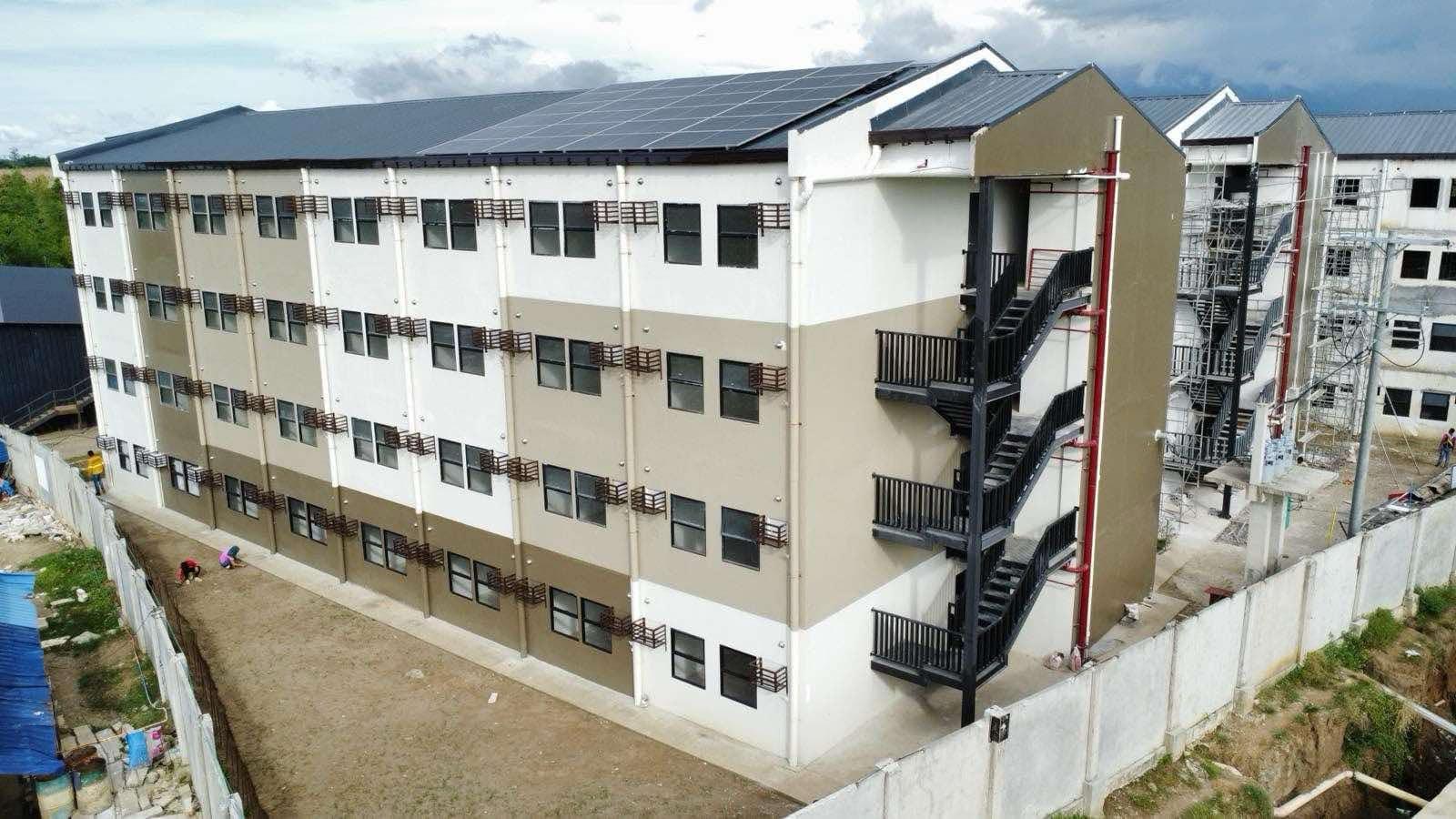

Government agencies have reopened applications for overseas Filipino workers (OFWs) seeking affordable housing under the expanded Pambansang Pabahay para sa Pilipino (4PH) program, coinciding with the celebration of National Shelter Month.

The initiative, jointly implemented by the Department of Migrant Workers (DMW), Department of Human Settlements and Urban Development (DHSUD), and Pag-IBIG Fund, aims to help OFWs acquire their first home at subsidized terms. Officials earlier emphasized that the expanded program now allows OFWs to qualify regardless of income level, provided they meet other Pag-IBIG and program requirements.
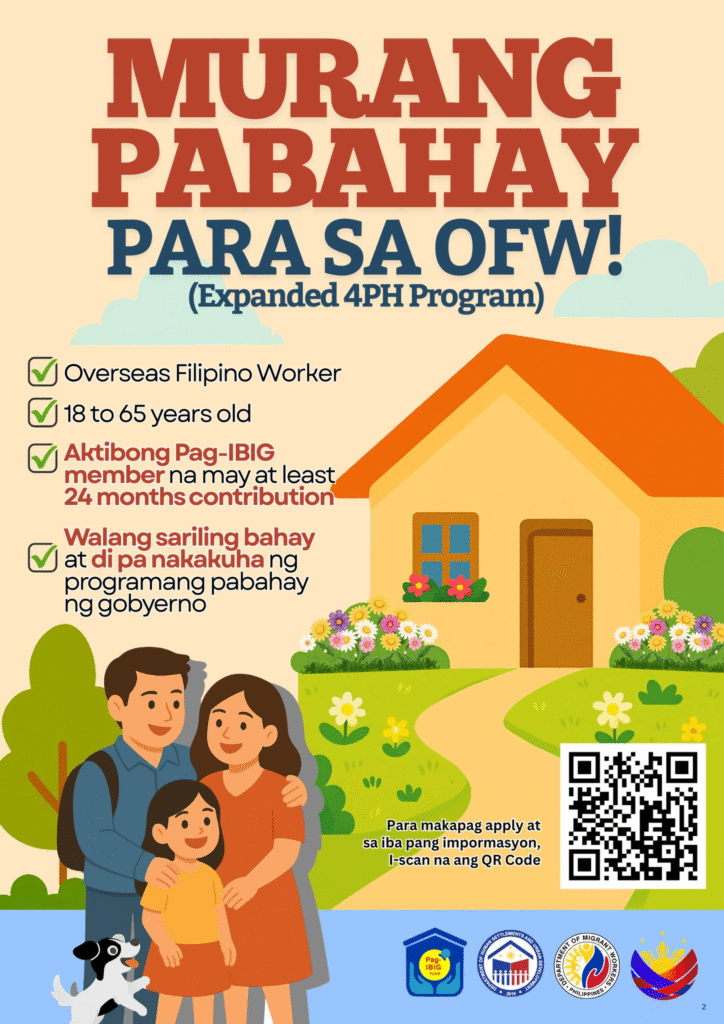
To be eligible, applicants must be active Pag-IBIG members with at least 24 months of contributions, between 18 and 65 years old, and have never owned a home or received housing benefit from the government. The program covers both vertical and horizontal housing projects across approved locations nationwide.

Under the expanded scheme, Pag-IBIG previously announced subsidized interest rates for qualified beneficiaries, with socialized housing units available at reduced monthly amortizations. This includes illustrative figures earlier cited by agency officials, such as lower repayments for units priced around ₱850,000 to ₱1.5 million compared with regular housing loan rates. The terms are designed to support first-time Filipino homeowners, including OFWs who wish to secure property for their families in the Philippines.
Government partners have encouraged OFWs to apply through verified channels and check project availability in their preferred areas, as slots and locations may vary based on local developments. Interested applicants may access the official information and application platform through the QR code published on the program’s poster and Pag-IBIG-linked announcements.
The reopening follows earlier directives recognizing OFWs as key priority beneficiaries, acknowledging their role in supporting the Philippine economy and their long-standing goal of securing a permanent home for their families.
