




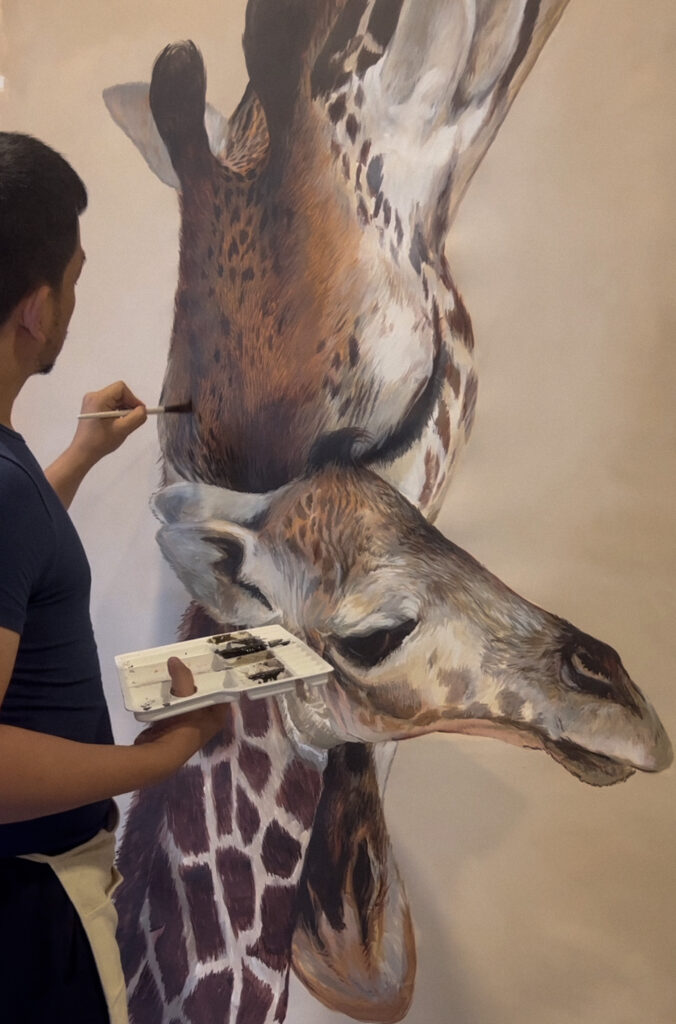
The leap from knocking on office doors to seeing one’s work hang in royal halls is rarely linear, and it almost never happens by accident. Ely Caluag knows this shift well—because he lived it, brushstroke by brushstroke, across 15 years in the UAE.

At 40, Caluag is the founder of ELYGRAF Fine Art & Branding Services FZE, an entrepreneurial venture built on visual storytelling, portraiture, and design. His path to painting members of the UAE’s royal families began long before Dubai, rooted in a childhood shaped by creativity. He grew up surrounded by artists: a mother who once sang jazz and made dresses, and uncles who painted and played music. Art, in his world, was not a hobby—it was a language.
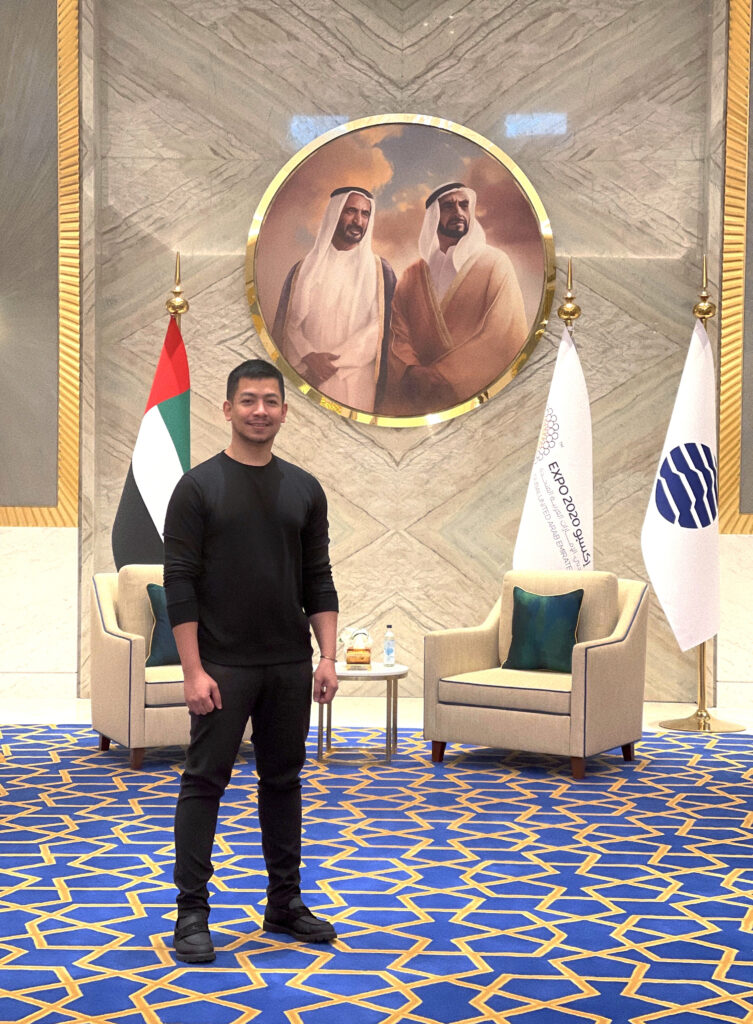
After finishing Fine Arts at the University of the Philippines Diliman in 2008, Caluag spent several months working in Makati before taking a chance abroad. His sister, already based in Dubai since 2005, encouraged him to try life in the UAE. He arrived with curiosity more than certainty, eager to see what might unfold.
Learning the craft beyond the canvas
Caluag’s early years overseas were spent absorbing the mechanics of luxury and branding. In 2010, he joined Platinum Events, a French luxury events company, where he worked closely with high-end brands such as Louis Vuitton, Louboutin, and Rolls-Royce. The exposure reshaped his understanding of presentation, precision, and expectations at the highest level. He stayed for two years and six months before moving to another French branding firm, Lamarq, where he spent another two and a half years refining his skills.
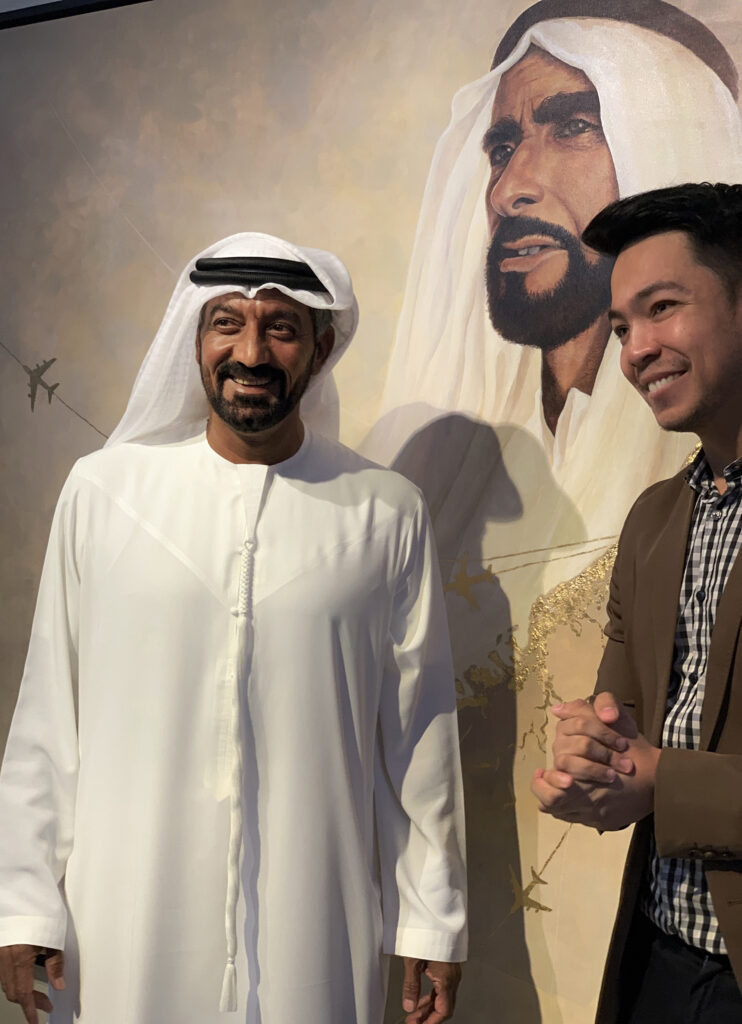
Even before Dubai, adaptability had defined his working style. During college, he was already taking on art and design commissions for Ayala, Ballet Philippines, and various companies. After graduation, he joined an events company in the Philippines called Firewire, handling packaging and branding for major names like Fortune Tobacco and Smart.
That flexibility followed him abroad. “My main skill aside from art & design was my adaptability,” he shared with TGFM. “There are tasks like 3d modelling, which I would say ‘ I can do it’, but in reality, I will still learn it that night.”
Taking the leap into independence
In 2014, Caluag made the decisive move into freelancing. It was a risk, but one grounded in years of accumulated experience and confidence. “From there the rest is history,” he says, summing up a turning point that would eventually redefine his career.
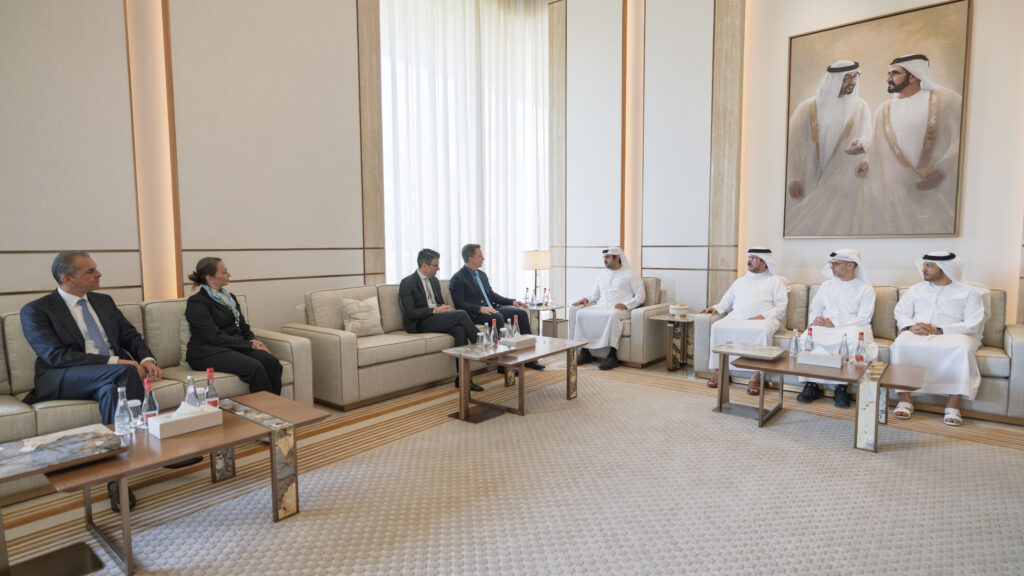
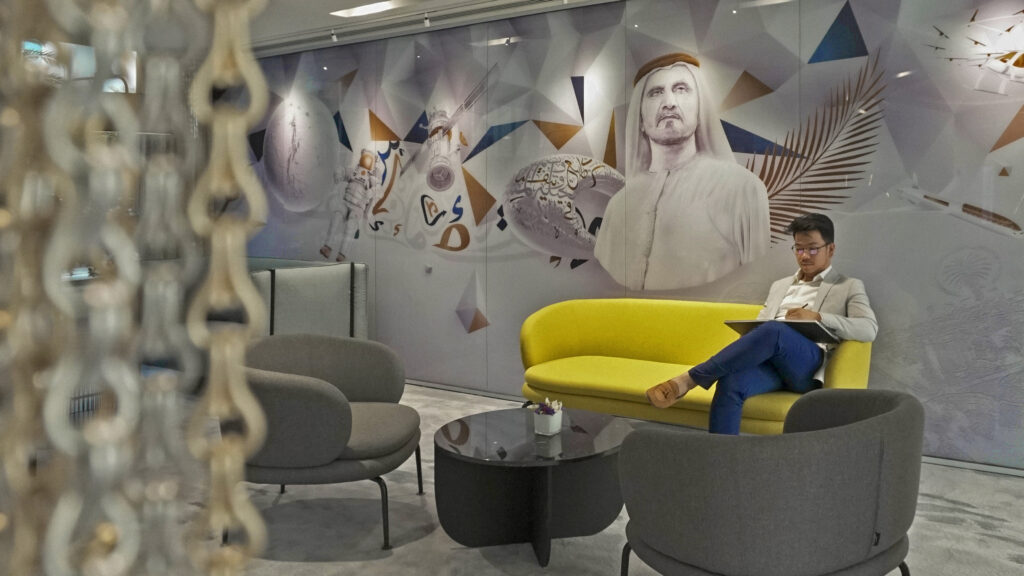
Today, his work occupies some of the most exclusive spaces in the country. “Currently I paint portraits for the Highnesses in the UAE. I have done portraits for every royal families here and have met several of them,” Caluag shares. These commissions gave him not only prestige, but autonomy—allowing him to build his own company, invest in creative ventures, and design a life around flexibility. “I can travel anytime I want, and work anytime I can.”
From CVs in Media City to royal majlis walls
The contrast between past and present is stark. “In 2010, I was knocking on doors of companies in Media City handing out my CVs,” he recalls. “Now my artworks are displayed on the most exclusive royal majlis in the country where all dignitaries visit and greet the Highnesses.”
For Caluag, working abroad initially meant better income and access to opportunity, but Dubai soon felt familiar. “Dubai is more like an extension of Quezon City,” he says, noting the large Filipino community that made the transition easier. His support system also extends beyond work. As a member of the Christian organization PMCC 4th Watch, he found community and grounding alongside close friends such as Mau Piodena and Chef Dabo.
Looking beyond borders and labels
Caluag’s ambitions remain expansive. He hopes to work with other royal families and country leaders beyond the UAE, while building platforms that create income opportunities for fellow artists and creatives. His vision is collaborative, not solitary.
That mindset shapes his advice to fellow Filipinos abroad. “Be bold and expand your vision. There are many opportunities abroad, and if there aren’t, create your own.”
He is also vocal about challenging narrow perceptions of Filipino talent. “We aren’t just great singers, caring nannies, expert nurses, or passionate sales crew. We are also businessmen, tattoo artists, scientists, engineers, ballerinas, violinists, art curators, educators, linguists and over-all great people and we deserve the same success other nationalities enjoy.”
Caluag’s hopes are both personal and collective. “I wish Filipinos become more respected and be looked up to,” he says. “I wish we struggle because we aim for meaningful success, and not because our government failed us.”
