



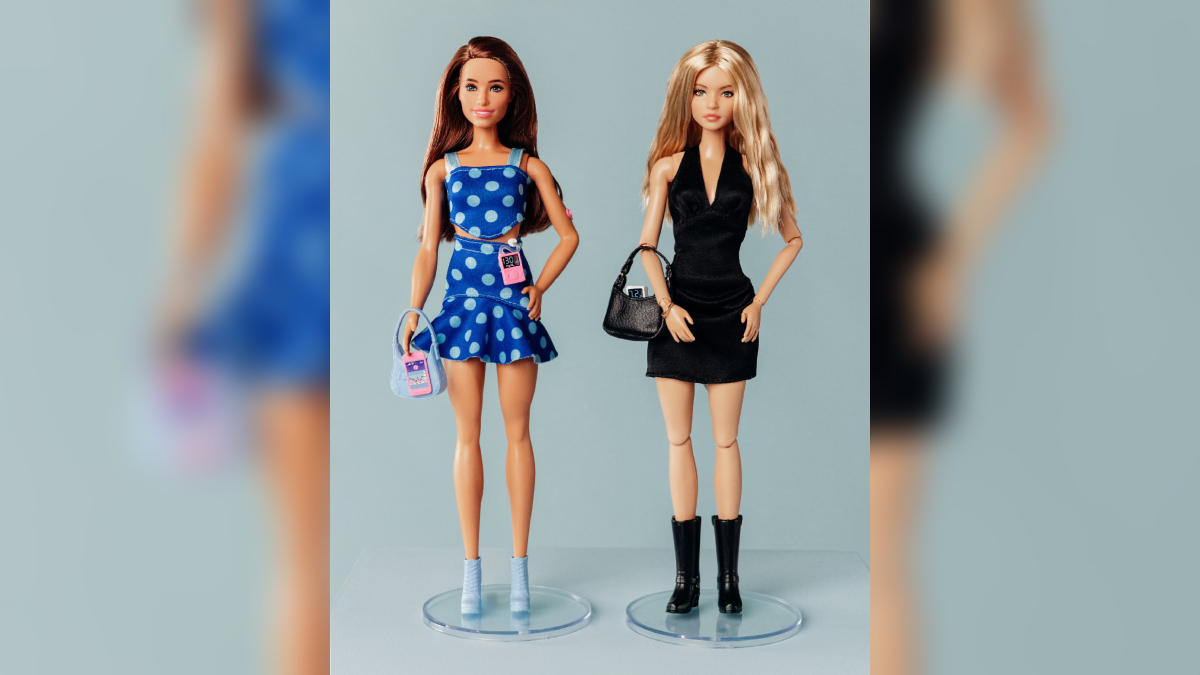

Barbie is taking another bold step toward inclusivity with the release of its first-ever doll representing a child with type 1 diabetes.

In collaboration with global nonprofit Breakthrough T1D, Mattel has launched a Barbie doll equipped with a continuous glucose monitor (CGM) and an insulin pump—tools essential for managing the autoimmune condition. The new model sports a blue polka dot outfit, a nod to the global symbol for diabetes awareness.
Krista Berger, senior vice president of Barbie and global head of dolls, emphasized the brand’s evolving role in fostering representation. “Introducing a Barbie doll with type 1 diabetes marks an important step in our commitment to inclusivity and representation,” she said. “Barbie helps shape children’s early perceptions of the world, and by reflecting medical conditions like T1D, we ensure more kids can see themselves in the stories they imagine and the dolls they love.”

The CGM device, visible on the doll’s arm and secured with a pink heart-shaped medical tape, links to a smartphone app that tracks blood sugar levels in real-time. Her insulin pump, discreetly clipped to her waist, enables automatic insulin dosing throughout the day.
Mattel also released a one-of-a-kind doll modeled after Lila Moss, daughter of supermodel Kate Moss, who was diagnosed with type 1 diabetes at age 12. The Lila Moss Barbie features the same medical devices and aims to raise further awareness about the daily realities of managing the condition.
This launch builds on Mattel’s broader mission to expand Barbie’s diversity. In recent years, the brand has introduced dolls of varying body types, gender expressions, and physical abilities in response to growing calls for better representation in toys.
