



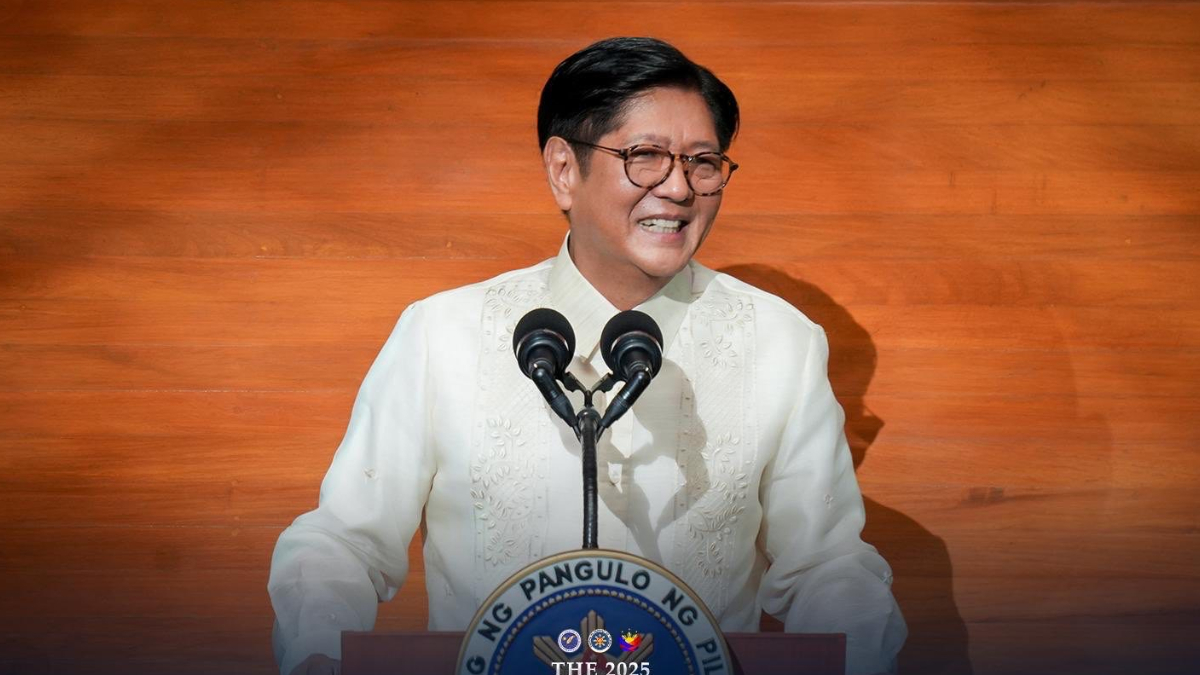

President Ferdinand “Bongbong” Marcos Jr. assured the public during his fourth State of the Nation Address (SONA) that his campaign promise of bringing rice prices down to ₱20 per kilo will materialize within his administration. He cited ongoing pilot programs proving the initiative can be implemented without harming the livelihood of local farmers.

“Sa mga nagtatanong kung nasaan na ang ‘bente pesos na bigas’: ito ang aking tugon,” Marcos said, adding that they have already demonstrated the feasibility of the price point.
The pilot rollout, launched on May 1, has reached several areas across the country including San Juan, Pangasinan, Cavite, Occidental Mindoro, Cebu, Bacolod, Guimaras, Siquijor, and Davao del Sur. The Department of Agriculture (DA) has been sourcing palay from Filipino farmers, with prices ranging from ₱18 to ₱23 per kilo, depending on the moisture content.
To expand the program, Marcos announced an additional ₱13 billion in funding for DA initiatives, particularly through Kadiwa stores and centers that collaborate with local governments. These outlets serve as access points for affordable rice, primarily benefiting vulnerable sectors such as the elderly, solo parents, persons with disabilities, and indigent families. As of mid-July, the program has been rolled out in 162 locations nationwide.

He also issued a stern warning to rice traders attempting to manipulate supply or deceive farmers, saying, “Hahabulin namin kayo, dahil ang ginagawa ninyo ay economic sabotage.” This comes after the enactment of the Anti-Agricultural Economic Sabotage Act in 2024, which penalizes hoarding and smuggling with life imprisonment and steep fines.
Despite the optimism, farmer groups like the Kilusang Magbubukid ng Pilipinas (KMP) remain skeptical. They argue that reported increases in farmer earnings are misleading, citing high production costs and stagnant farmgate prices. A KMP study in July showed that a Bulacan rice farmer’s average profit is less than ₱5,000 per hectare per season.
In response to broader concerns, Marcos also pledged more infrastructure development including farm-to-market roads and improved irrigation access to boost local agricultural productivity.
