



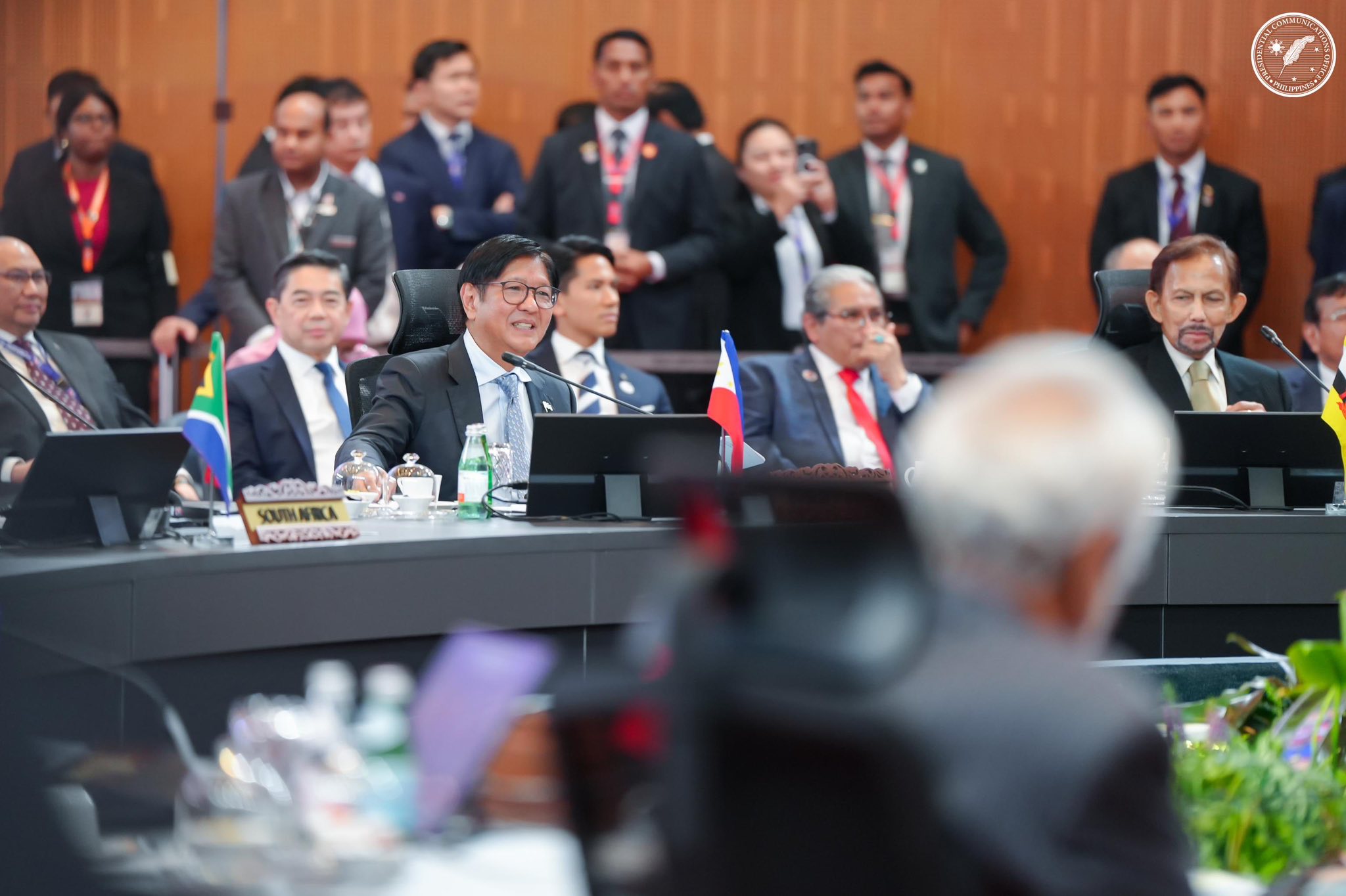

President Ferdinand Marcos Jr. on Monday called on regional partners Japan, South Korea, and China to intensify collaboration with ASEAN in tackling common challenges, urging “ambitious yet concrete, inclusive, and results-oriented initiatives” to meet the needs of their people.

Speaking at the 28th ASEAN Plus Three (APT) Summit, attended by South Korean President Lee Jae Myung, Chinese Premier Li Qiang, and Japanese Foreign Minister Toshimitsu Motegi, Marcos underscored the importance of joint efforts to address pressing regional issues, including transnational crime.
He stressed the need to align APT work programs with the ASEAN Convention Against Trafficking in Persons, Especially Women and Children (ACTIP), noting that coordinated action would “provide tools for faster cross-border action, stronger information-sharing, and victim-centered protection.”
Marcos commended the upgrade to the Chiang Mai Initiative Multilateralization, particularly the creation of a Rapid Financing Facility, which he said strengthens the region’s financial safety nets amid ongoing global uncertainties.

The President also pushed for stronger support for micro, small, and medium enterprises (MSMEs) through improved use of the Regional Comprehensive Economic Partnership (RCEP), emphasizing the need for accessible guidance and practical export assistance to help first-time traders.
Citing recommendations from the Network of East Asian Think-Tanks (NEAT), Marcos endorsed advancing cooperation in regional supply chain connectivity and exploring broader membership within the partnership. “In doing so, we can ensure faster customs clearances, lower costs, more opportunities for first-time exporters, and wider opportunities from city centers to coastal and inland communities,” he said.
He further called on leaders to adopt a statement on strengthening regional economic and financial cooperation, highlighting the Philippines’ commitment to “reinforce resilience and advance inclusive and sustainable growth.” Marcos also urged enhanced collaboration in social welfare development through the ASEAN Training Centre for Social Work and Social Welfare (ATCSW), advocating for “inclusive, adaptive, and interoperable social protection systems” that safeguard migrant workers and displaced persons.
“Moving forward, this partnership must continue to drive our collective action into securing enduring peace and lasting prosperity in the years to come,” Marcos said.
