




Cash relief for Metro Manila’s tricycle drivers is now underway, with the Department of Social Welfare and Development distributing P5,000 each to approximately 139,000 drivers starting March 17, under the Assistance to Individuals in Crisis Situations program.

The payout is being carried out across 30 sites in 17 local government units, with disbursements expected to run three to five days. The first batch — 550 drivers from District 4 — received their assistance in the morning, followed by a separate afternoon payout for 551 drivers from District 6.
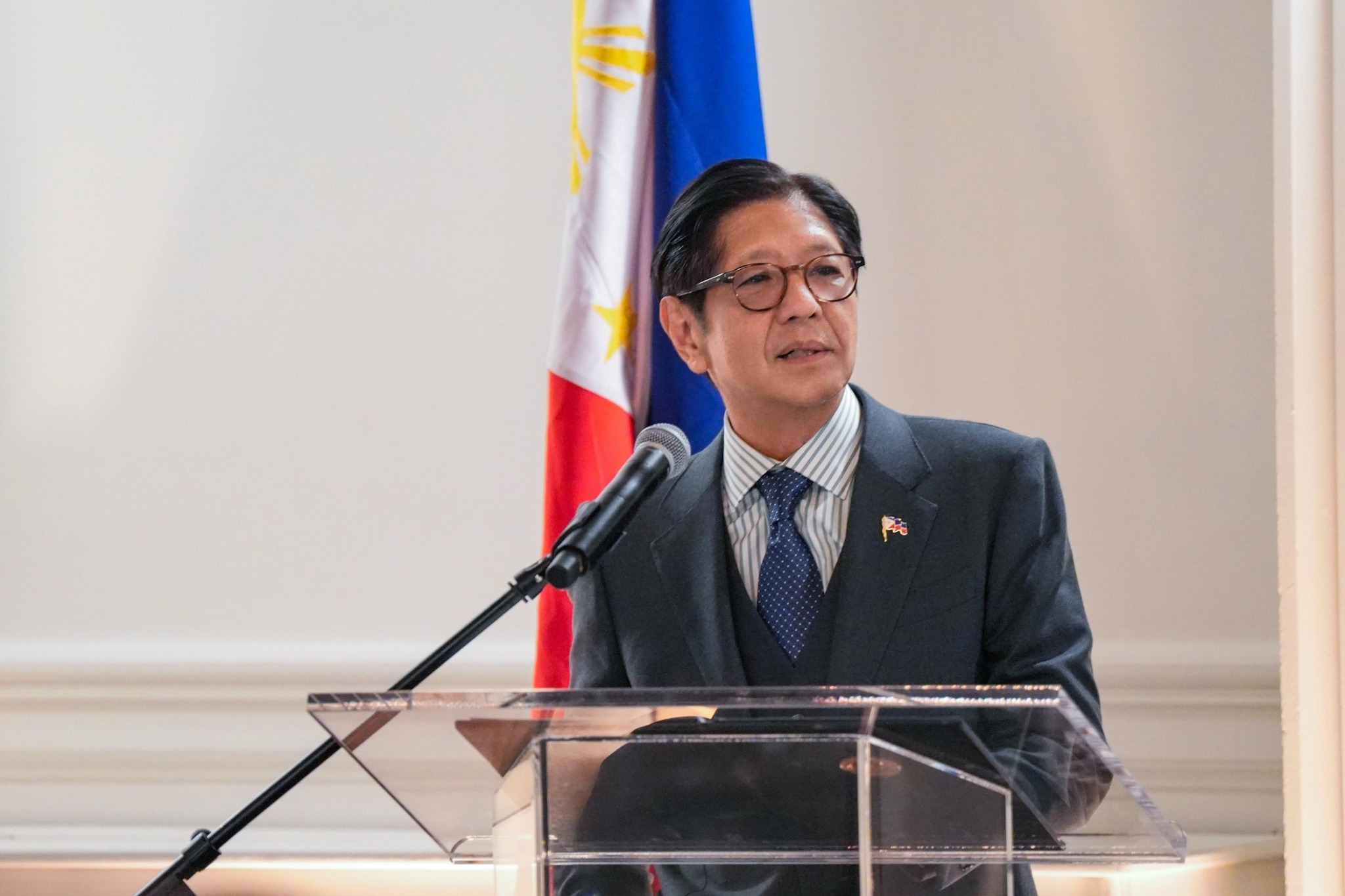
DSWD Secretary Rex Gatchalian, Department of Transportation Acting Secretary Giovanni Lopez, and Manila Mayor Francisco “Isko” Moreno Domagoso joined President Ferdinand Marcos Jr. at the Sta. Mesa, Manila distribution site, where the President spoke briefly to reporters.
“Andito tayo, the government, andito ang gobyerno, nandito ang pamahalaan. At talagang binabantayan natin kung ano ang mga bagong pangyayari, kung ano ang darating para naman matiyak na patuloy na makakapaghanap-buhay ang ating mga kababayan at patuloy na makapasok sa trabaho ang ating mga komyuter,” Marcos said.

The relief program was triggered by the spike in oil prices linked to ongoing conflict in the Middle East. Marcos said the government is determined to shield ordinary Filipinos from the economic fallout. “At patuloy lang at hindi naman masyado maging problema itong nangyari nga sa yung gera sa Middle East. At asahan po ninyo na kami po ay nakabantay at nakakaalalay sa lahat ng ating mga kababayan,” he said.
Tricycle drivers are the first beneficiaries, with jeepney drivers next in line — likely by late this week or early next week, the President said. TNVS operators are also included but will follow once enrollment records are completed. “Susunod ang jeepney drivers and then yung TNVS ang susunod after that. That’s the one. Our records for TNVS are not yet complete. Yung sa jeepney, susunod yung siguro late this week or early next week,” Marcos said.
Separately, the government is in ongoing negotiations with oil companies to arrange staggered price increases rather than immediate hikes, as part of a broader set of measures to limit the impact on commuters and transport workers.
