



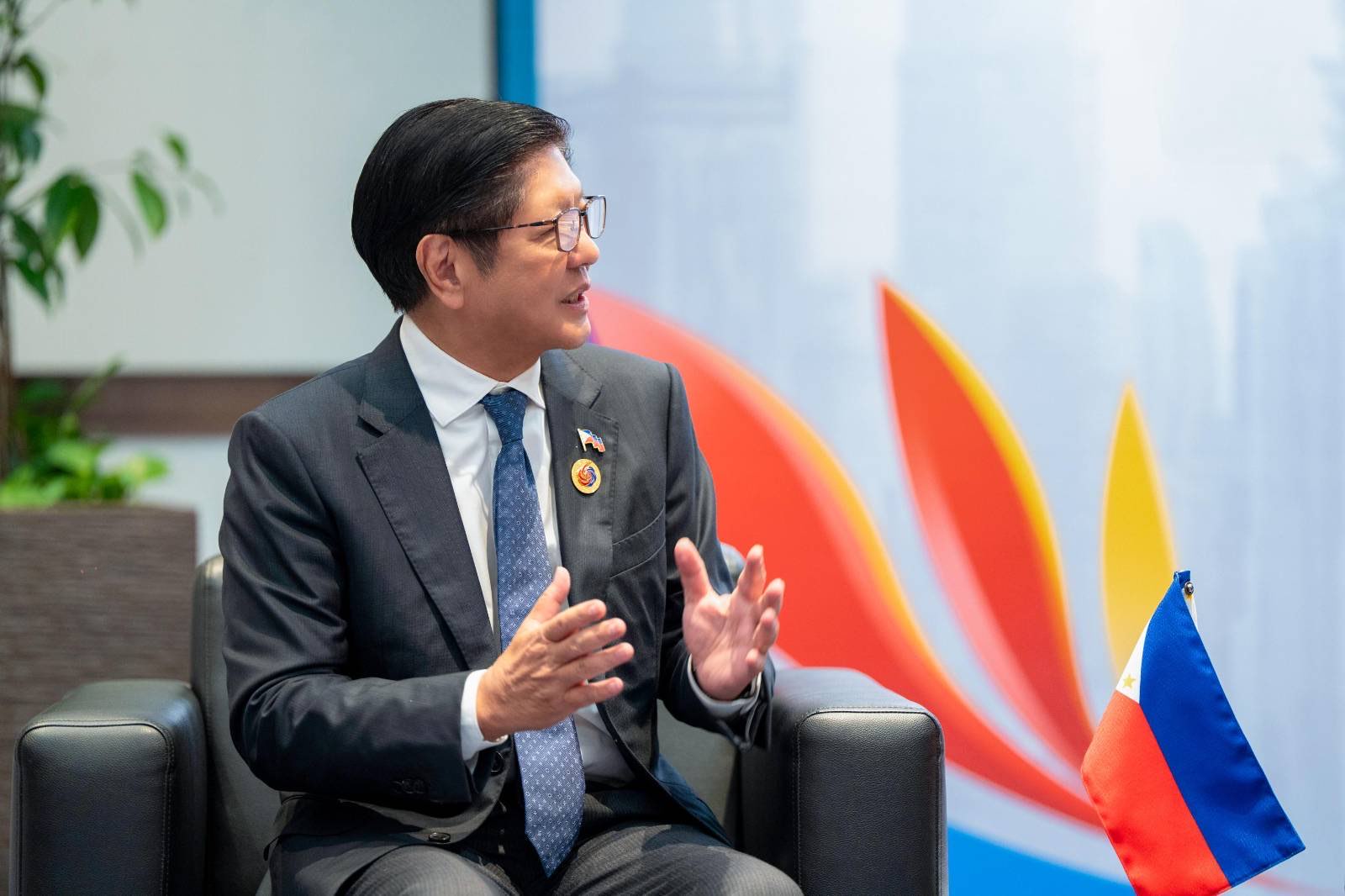

President Ferdinand Marcos Jr. said he will not interfere with legislative calls to scrap the K-12 system but emphasized that reforms must be pursued while the current setup remains.

Speaking in the second episode of his BBM Podcast, Marcos acknowledged the growing frustrations surrounding the 13-year basic education program, which includes kindergarten, six years of elementary, four years of junior high, and two years of senior high school. Critics have long argued that the system has failed to fulfill its promise of producing job-ready graduates.
“It’s costing parents more because we added two more years. They have to pay tuition, buy school supplies, buy books. But after 10 years, there was no advantage. There was no improvement, and graduates still can’t find jobs,” the President said, switching between English and Filipino.
While leaving the fate of K-12 in the hands of Congress, Marcos instructed the Department of Education (DepEd) to improve employment outcomes for graduates. He proposed deeper engagement with the private sector to bridge the gap between education and industry needs.
“What skills do you need? What kind of workers do you need to do it? In fairness, the private sector wants to even take it one step further. ‘You want us to run the training?’ Then, when he comes out of the training, he has a job with us,” he said, highlighting the potential of industry-aligned training programs.

Marcos also turned his attention to long-standing infrastructure problems in the education sector, noting that many classrooms built during his father’s administration are still being used decades past their intended lifespan.
“Imagine, we have a shortage of 160,000 classrooms. How did that happen?” he asked. He said fast-tracking the construction of new school buildings through public-private partnerships could offer a practical solution. “If the government does it alone, very little can be done,” he added.
In addition, the President directed DepEd to fill vacant teaching posts and reduce the non-teaching workload of public school educators.
“I always say the public school teachers are the hardest-working public servants in the whole of government. They’re doing a lot even beyond their job description,” Marcos said.
