



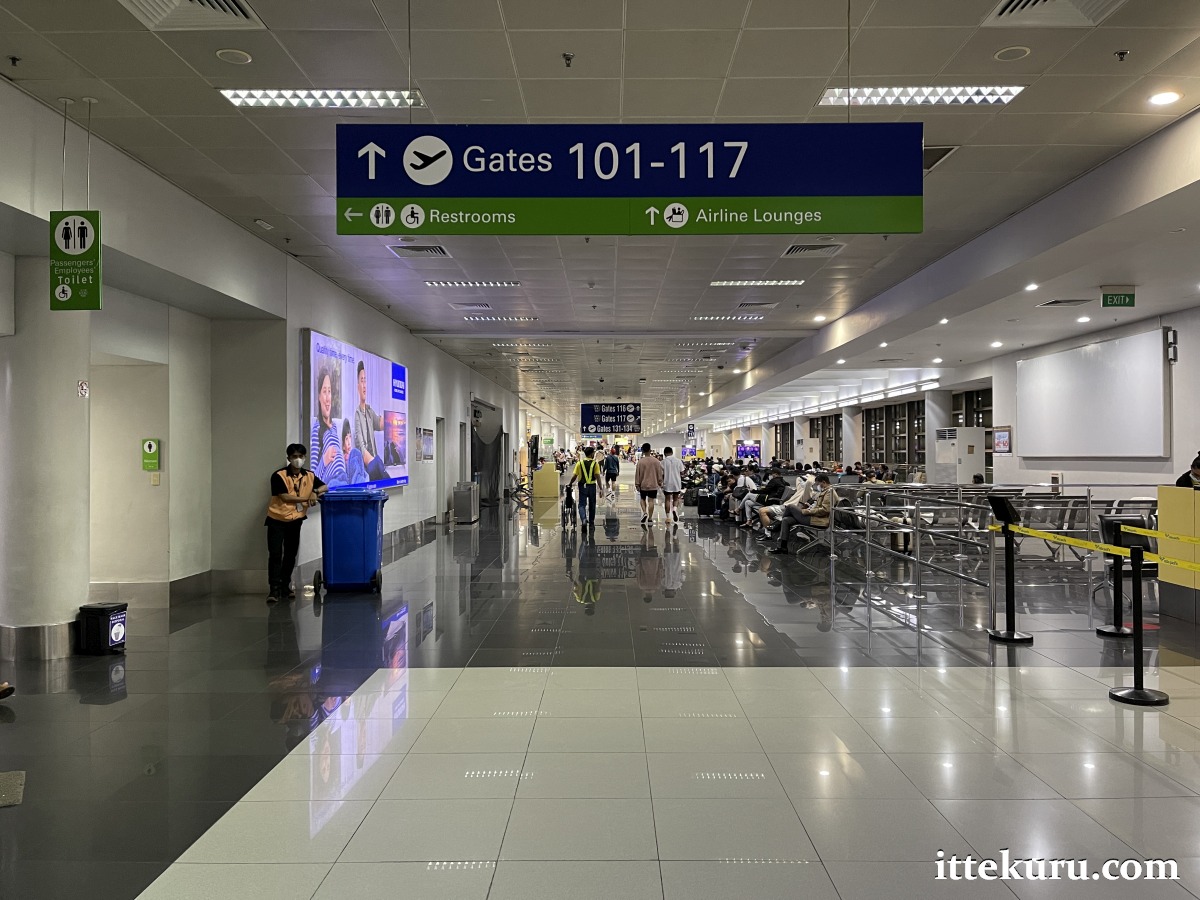

The Makabayan bloc has called on the House of Representatives to investigate the privatization of the Ninoy Aquino International Airport (Naia), raising alarm over what it claims are mounting costs for the public and displaced workers.

In House Resolution No. 29, ACT Teachers party-list Rep. Antonio Tinio and Kabataan party-list Rep. Renee Co urged the House transportation committee to examine the impacts of the San Miguel Corporation-SAP & Company (SMC-SAP) Consortium’s takeover of Naia operations. Through its subsidiary, the New NAIA Infrastructure Corporation (NNIC), the group now manages the country’s primary gateway under a P170.6-billion public-private partnership agreement signed in March 2024.
Makabayan claimed that since the handover, parking fees and rental rates at the airport have surged dramatically. They pointed to revised charges under the Manila International Airport Authority’s new administrative order, citing an increase in parking fees from Php 300 to Php 1,200 for the first 24 hours and commercial rent jumping from Php 700 to Php 3,200 per square meter.
“These increases have forced some concessionaires to shut down, causing hundreds of job losses,” the lawmakers said, warning that the financial strain will ultimately hit ordinary passengers through more expensive airfare and services.

Makabayan estimated that the project could yield as much as Php 900 billion in revenue if the 15-year concession is extended to 25 years. However, they argued that much of this will be shouldered by the public through aeronautical and service charges.
“The privatization of public assets and services, rather than improving the quality of life of Filipinos, has historically translated to a rise in the cost of goods and services,” the resolution stated. “Ordinary people bear the brunt.”
Earlier this year, a group of lawyers also petitioned the Supreme Court to nullify the contract, alleging constitutional violations and calling the deal a failure to protect public interest.
Despite these concerns, the Department of Transportation defended the agreement, with Transportation Secretary Vince Dizon saying it was “a properly fitted out concession—agreement advised no less by the ADB.”
