




A squeeze on commercial cooking gas supplies is threatening to force restaurants across India to close, as the hospitality sector scrambles to secure liquefied petroleum gas amid concerns over regional energy shipments, according to a Khaleej Times report.

In Lucknow — recognised by UNESCO as a City of Gastronomy — restaurant owners have begun holding emergency meetings with suppliers to find stopgap solutions. Faisal Afreen, who operates the Dastarkhwan chain in the city, said the outlook is uncertain despite efforts to keep kitchens open.
“The situation looks bleak, and we are managing somehow for now,” Afreen said. “We have called a meeting of LPG suppliers tomorrow (March 10) to see if we can work out some solution.”
Fellow Lucknow restaurateur M Alam was more direct about the consequences if deliveries do not recover.
“If the supply situation does not improve quickly, many restaurants will have no option but to close temporarily,” he said.
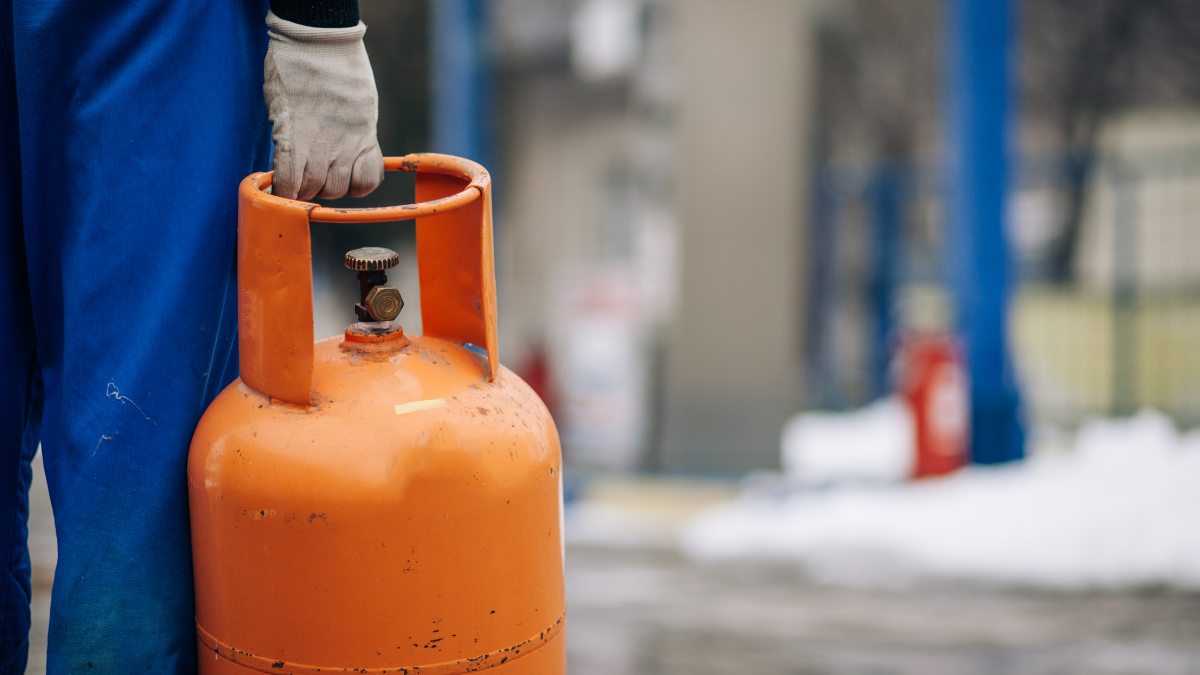
The crunch centres on the 19-kg commercial cylinders that most eateries rely on. Hotel associations in Bengaluru, Mumbai and Chennai say deliveries of these cylinders have slowed sharply or halted outright. The Bangalore Hotels Association warned that establishments could begin shutting from March 10, noting that most carry only two to three days of stock.
“Without gas, food and refreshments will not be available at hotels starting tomorrow,” the association said in a government appeal.

In Chennai, the hotel association issued a similar warning, cautioning that restaurants could exhaust supplies within days. Distributors in parts of Punjab told local media that commercial cylinder deliveries had stopped for two consecutive days and agencies had been told to hold off on new orders.
Authorities are prioritising household supplies over commercial ones, a decision that has left restaurants bearing the brunt of the tightening. In Mumbai, dealers reported that domestic cylinder refills now carry waiting times of around eight days, while commercial supplies have been cut off in some areas. Industry representatives cautioned that some establishments may turn to black-market sources or repurpose domestic cylinders to keep operating.
Panic buying has added pressure in Delhi-NCR and Uttar Pradesh, where queues formed outside gas agencies and cylinders reportedly changed hands on the black market at close to double the regulated price.
The backdrop is India’s heavy reliance on imported LPG, with roughly two-thirds of domestic supply sourced from abroad — a significant portion of that from the Middle East. Rising tensions in the region have stoked anxiety over shipments transiting the Strait of Hormuz, a chokepoint for energy flows into India.
Government officials have pushed back against characterisations of a nationwide shortage, insisting stocks are adequate and calling on consumers not to hoard. To discourage panic bookings, oil marketing companies have also revised refill rules: customers must now wait 25 days after a delivery before booking another cylinder, up from the previous 21-day interval.
Prices have risen in parallel. Earlier this month, state-run oil companies raised the cost of domestic cylinders by Rs 60 (Dh2.40) to Rs 913 (Dh36.59) in Delhi, while the commercial cylinder rate climbed by approximately Rs 115 (Dh4.50), Khaleej Times reported.
