




A sharp increase in funding for a contested health assistance program emerged from last-minute budget talks, as lawmakers agreed to set aside P51.6 billion for the Department of Health’s Medical Assistance to Indigent and Financially Incapacitated Patients (MAIFIP).

The final figure, approved by senators and congressmen in bicameral conference, was more than double the P24.2 billion originally proposed by the executive branch and higher than the P49.2 billion allocation pushed by the House of Representatives. Both chambers said the expanded amount was necessary to avoid excluding an estimated 1.1 million patients from medical aid.
MAIFIP has long drawn criticism from budget watchdogs because access to the program typically requires endorsement or “guarantee letters” from lawmakers or other political figures, a process seen as exposing the assistance to patronage. The program is frequently cited alongside other aid schemes that reform advocates argue should be scrapped.
Earlier in the budget process, the Senate sought to divert much of MAIFIP’s funding toward Universal Health Care, particularly the Philippine Health Insurance Corp., which serves as its main implementing arm. That proposal came amid broader disputes over PhilHealth’s finances, after Congress and the executive impounded P89.9 billion from the state insurer last year to fund unprogrammed appropriations and approved zero subsidy for it this year.
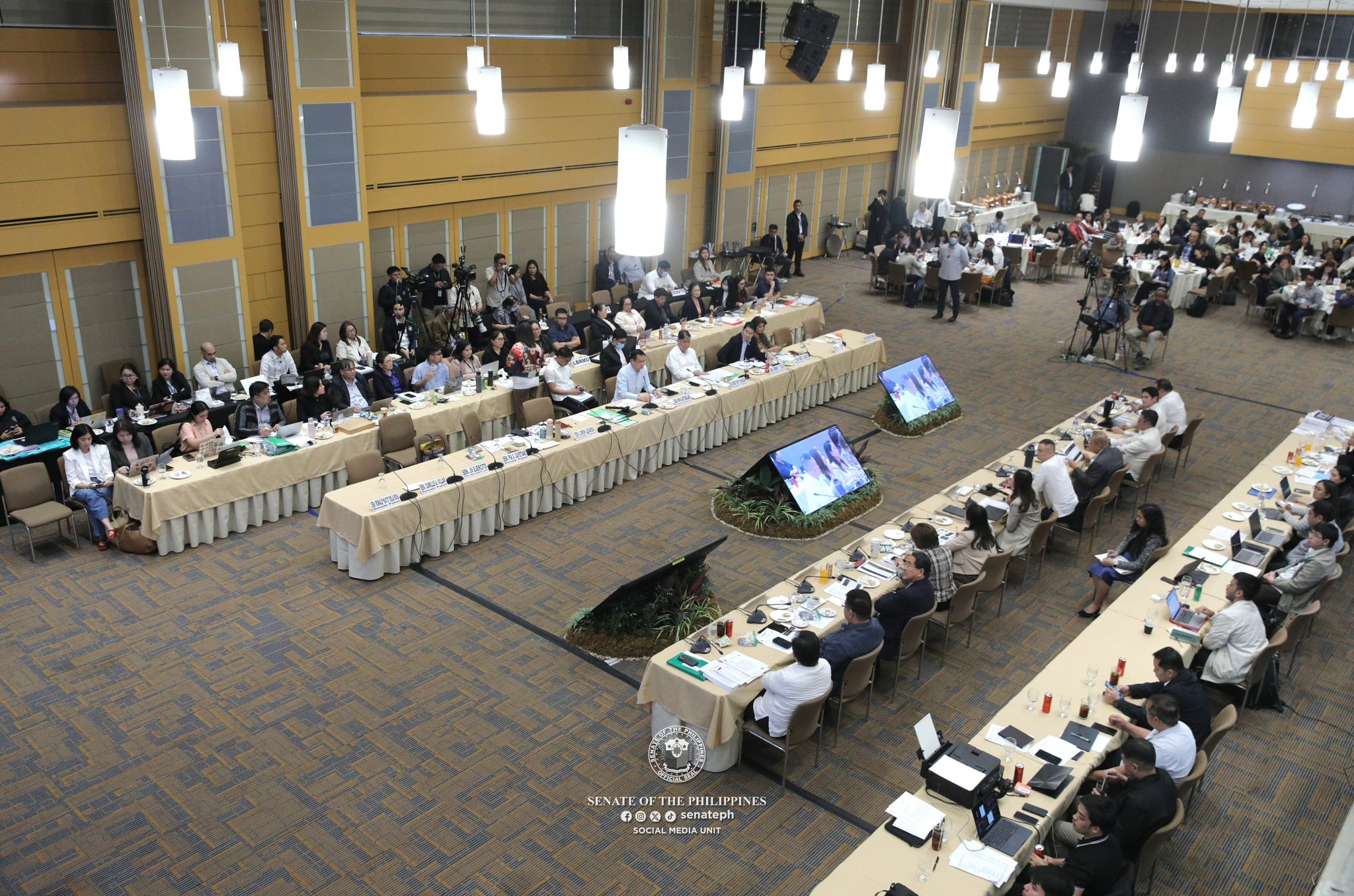
During the bicameral meeting on Sunday, Dec. 14, House appropriations chair Mikaela Suansing urged senators to consider the House version of the MAIFIP budget. When asked by Senate finance committee chair Sherwin Gatchalian about the implications of a lower allocation, Suansing said a reduction would substantially shrink the number of beneficiaries.
Sen. Loren Legarda said the reliance on MAIFIP pointed to deeper structural problems in the health system, noting that the program should ideally be unnecessary if PhilHealth were operating at full capacity. Both Legarda and Suansing were members of the 19th Congress that approved the impounding of PhilHealth funds and its zero-budget allocation this year.
Questions over political safeguards surfaced repeatedly during deliberations. Sen. Francis Pangilinan pressed for clearer protections to ensure the assistance would not be used for patronage, while Gatchalian cited a general provision authored by Sen. Panfilo Lacson barring political involvement in the distribution of government aid.
Lacson had earlier emphasized that social welfare programs must be shielded from “political exploitation,” proposing language that would prohibit officials, candidates, or their representatives from influencing aid distribution or displaying political signage or branding in distribution areas.

Sen. Erwin Tulfo argued that MAIFIP operates differently from other assistance schemes, stressing that it does not involve cash transfers. “This is like a referral letter that will be brought to the hospital. The politician can never take hold of it. MAIFIP is not cash,” Tulfo said.
Sen. Imee Marcos, however, warned that Lacson’s proposed wording might be too narrow, saying it should explicitly cover non-cash assistance and remove provisions that could penalize politicians who participate in aid activities.
Tulfo also suggested that hospitals be required to include professional fees in MAIFIP-covered bills to prevent patients from being held due to unpaid doctors’ charges. Suansing said the House was reluctant to adopt the proposal because of the penal provisions attached to Lacson’s special clause, while Gatchalian said the Senate would review the suggested revisions.
Beyond the health budget, lawmakers also cleared at the bicameral level the funding proposals for the Department of Agriculture, the University of the Philippines, state universities and colleges, the Technical Education and Skills Development Authority, and the Commission on Higher Education.
Outside Congress, the debate drew criticism from the Church. Kalookan Bishop Pablo Virgilio Cardinal David questioned the normalization of seeking medical help through political endorsements.
“One of the quiet but grave moral failures of our public life is how easily we have normalized a system that forces the poor to beg for what they are already entitled to. When access to health care, education, or emergency assistance depends on a politician’s endorsement, a guarantee letter, or personal intervention, something deeply wrong has taken root – not only legally, but morally,” David said on his Facebook page.
From a pastoral perspective, he added, the practice is not merely a governance issue but “a violation of human dignity.”
