



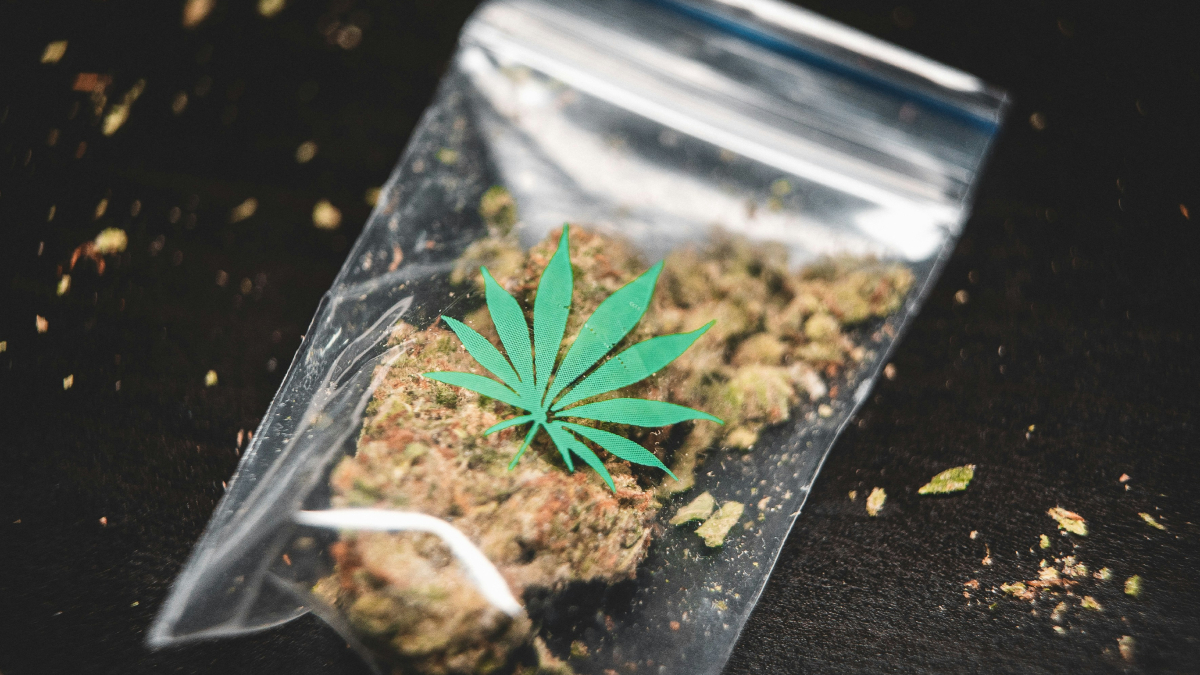

Kuwait is preparing to enforce a far-reaching anti-narcotics law on December 15, marking one of the country’s most aggressive crackdowns on drug-related activities in recent years. The legislation draws a hard line on offenses tied to the trafficking and production of illegal substances, allowing courts to impose penalties that extend to life sentences, multimillion-dinar fines, and capital punishment.

Authorities have been highlighting the types of violations that now fall under the harshest tier of punishment. Offenses such as importing or manufacturing narcotics, running smuggling operations, cultivating banned substances, or using influence in public office to facilitate these activities will carry the heaviest consequences. The law also targets crimes involving minors, whether through recruitment or exploitation in drug-linked operations.
The scope of violations includes conduct inside facilities that are meant to be drug-free, such as hospitals offering rehabilitation services, educational and sports establishments, places of worship, prisons, and police stations. Coercing another person into drug use, planting narcotics to frame someone, or organizing groups that operate as criminal drug networks are also covered under the new statute.
Medical misconduct related to controlled substances is part of the framework as well, with strict liability for anyone who misuses, issues, or dispenses prescriptions for narcotic or psychotropic drugs with the intention of facilitating abuse.

Alongside its punitive approach, the government has created pathways for treatment. Relatives up to the third degree of kinship may initiate addiction reports on behalf of individuals needing help, and voluntary entry into treatment programs is encouraged. These reports are confidential, and those who leak information or file them maliciously will face legal action. Sheikh Fahad Yousef Saud Al-Sabah, Kuwait’s First Deputy Prime Minister and Minister of Interior, stressed that these mechanisms are designed to support rehabilitation.
The minister noted that recent operations have intercepted significant quantities of illegal drugs following a series of smuggling attempts. The new law, he said, enables authorities to “tighten the noose on criminal networks through a legal framework that establishes the strongest punitive system the country has ever seen.”
A nationwide media initiative will soon be rolled out to help residents understand the new regulations and the channels available for complaints or assistance.
