



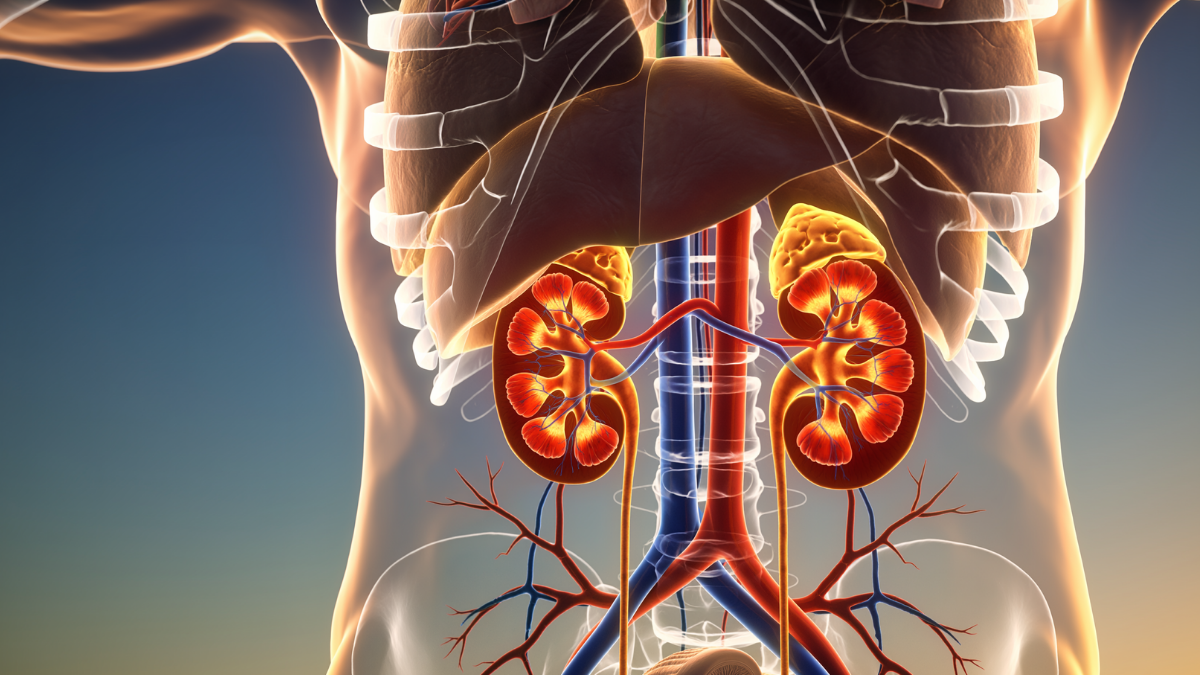

Amid a steady increase in chronic kidney disease (CKD cases nationwide, healthcare advocates are calling on Filipinos to prioritize early testing, warning that the illness often advances quietly before symptoms appear. The appeal was raised during the renewal of a private-sector collaboration that brings free kidney screenings to select areas in Greater Metro Manila, according to a report by GMA News Online.

The initiative is being carried out through the ACT Now Program, led by AstraZeneca Philippines in partnership with Mercury Drug Philippines and Diabetes Philippines. The program focuses on identifying kidney problems at an early stage, when intervention remains possible and disease progression can still be slowed or reversed.
Diabetes Philippines treasurer Dr. Rey Rosales emphasized that many patients only discover kidney disease when it has already reached an advanced stage. He explained that routine checks of blood pressure, blood sugar levels, and body mass index are essential first steps, but advocates are also highlighting a more specific test that is not part of standard urinalysis.
Health experts pointed to the Urine Albumin-Creatinine Ratio (UACR) test, which measures protein leakage in urine—an early marker of kidney damage that often goes undetected in basic laboratory exams. Rosales said diabetes and hypertension remain the leading causes of CKD and stressed the importance of screening before complications develop.
“The two major causes are diabetes and hypertension… Before we go to that dreaded complication, we can check already. There is an early screening and we call that UACR, and that is just submitting your urine sample, and we can detect already whether there is already a sign of early kidney damage, because if it’s early, we can still prevent it from becoming the worst scenario and in fact, bring it back to normal,” Rosales said.
Data shared by AstraZeneca Philippines show that CKD prevalence among Filipinos reached 35.94% in 2022. Based on these figures, one Filipino is diagnosed with CKD every 40 minutes, while another progresses to dialysis roughly every hour.
AstraZeneca Philippines Director for Media Affairs Dr. Cyril Tolosa said early detection remains the most effective way to reduce the risks associated with kidney failure and dialysis.
“Eventually, these dialysis patients are at risk for survival, of death, and we don’t want that to happen. The best way for us to address this is through early screening because when we detect CKD early, then there’s something that we can actually do to prevent its progression,” Tolosa said.
“With early UACR detection, patients and their doctors can act sooner, adjusting lifestyle, optimizing medicines, and preventing progression to kidney failure resulting to dialysis,” he added.

Since the partnership began in 2024, around 44,000 individuals have undergone screening, with about four percent testing positive for possible CKD. With the agreement renewed this year, organizers aim to screen at least 10,000 more patients at selected branches in Shangri-La Plaza, Pavilion Mall Mandaluyong, Trinoma, and Noveleta, Cavite.
Tolosa described the effort as part of a broader push to reduce non-communicable diseases, particularly those linked to cardio-renal and metabolic conditions.
“This screening program aligns with AstraZeneca’s bold ambition to reduce the burden of non-communicable diseases, especially across cardio-renal metabolic conditions. So, our North Star is actually very, very simple… It’s helping Filipinos live longer, healthier lives, and by intervening earlier together with the whole healthcare ecosystem,” he said.
“We know that we cannot do it alone. Mercury Drug cannot do it alone. Diabetes Philippines cannot do it alone. Even the government cannot do it alone… But together, as a whole community, we will be able to address this very important issue,” he added.
Beyond testing, Diabetes Philippines reiterated the role of daily habits in protecting kidney health. Rosales said lifestyle changes, particularly diet modification, remain the most effective preventive measure even with medications available.
“Diet alone helps. Kasama po ‘yan sa education kapag meron ka ng protein spillage… Change your protein source,” he said, advising patients to reduce red meat intake and opt for alternatives such as vegetables, tofu, and fish.
Nutritionist-dietitian Dr. Jennina Duatin also urged Filipinos to limit salt and sodium consumption, noting the country’s widespread preference for processed foods and salty condiments.
“Tayong mga Pinoy, may hilig tayo sa processed [food]. Aside from that, yung mga sawsawan… ‘Yan yung source ng mga high in sodium… ‘Yan yung dapat natin educate ng mga future generations about the safety and benefits,” Duatin said.
At the policy level, a proposed measure—House Bill 819 filed in July 2025—seeks to require warning labels on food products high in salt, sugar, or fat. The bill remains pending with the House health committee.
