



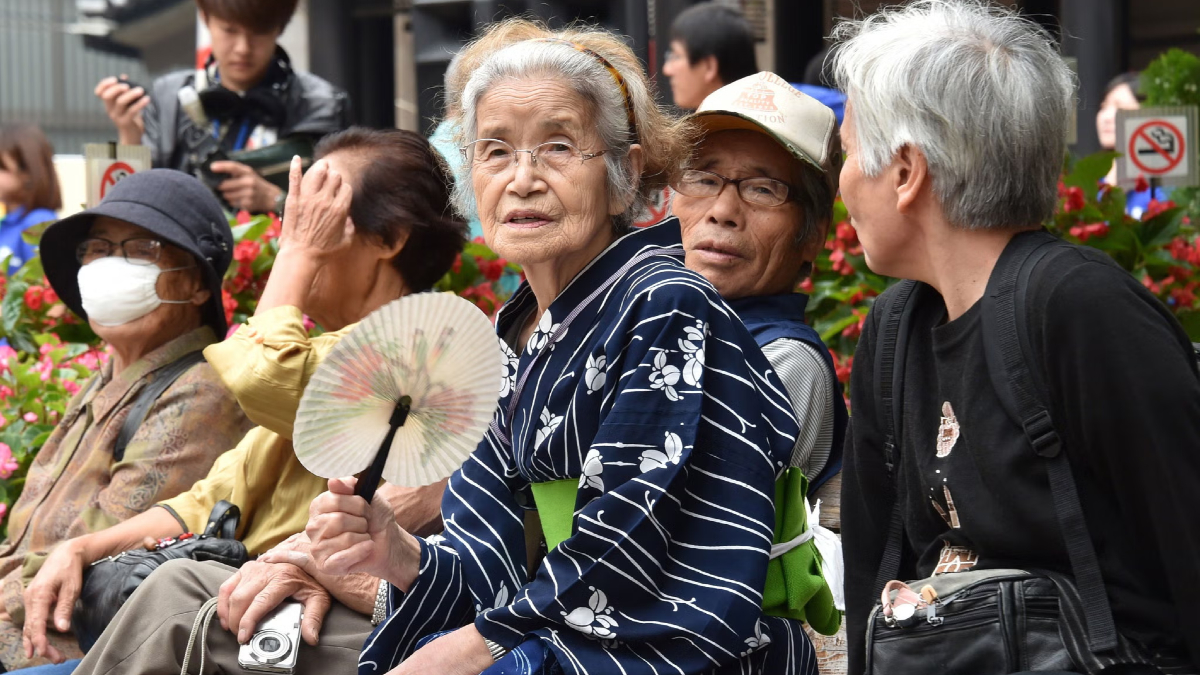

Japan has reached a new milestone in its rapidly ageing society, with nearly 100,000 people now aged 100 or older, government data revealed Friday.

The Ministry of Health reported that as of September 1, there were 99,763 centenarians across the country, an increase of 4,644 from the previous year. Women made up the overwhelming majority, accounting for 88 percent of the total.
Among them is 114-year-old Shigeko Kagawa from Nara, recognized as Japan’s oldest living person. A former obstetrician-gynecologist and general practitioner, Kagawa credited her vitality to the active lifestyle she maintained well into her 80s. “Walking extensively during house calls built strong legs, which are the source of my current vitality,” she said in the ministry’s statement. She still enjoys reading, calligraphy, and television thanks to her good eyesight.
While Japan celebrates its centenarians, the record numbers also highlight a demographic crisis. With declining birth rates and a shrinking workforce, the country faces mounting healthcare and welfare costs. Last year alone, the population of Japanese nationals fell by more than 900,000 — the steepest drop on record.

Prime Minister Shigeru Ishiba has described the situation as a “quiet emergency” and pledged family-friendly reforms, including free daycare and more flexible work arrangements, but experts note these measures have yet to turn the tide.
Globally, the title of world’s oldest living person belongs to Britain’s Ethel Caterham, who turned 116 in August.
Meanwhile, on the same day the new data was released, Emperor Naruhito, along with Empress Masako and Princess Aiko, visited Nagasaki to honor victims of the atomic bombing. They offered white flowers at the peace memorial park as Japan marked the 80th anniversary of the 1945 attack that killed more than 70,000 people.
