




Israel’s political-security cabinet has approved a plan to seize control of Gaza City, marking a major escalation in the nearly two-year war. According to a Reuters report, the move was announced early Friday, shortly after Prime Minister Benjamin Netanyahu declared in a U.S. interview that Israel intends to take military control of the entire Gaza Strip.

“The IDF will prepare to take control of Gaza City while providing humanitarian aid to the civilian population outside the combat zones,” Netanyahu’s office said in a statement, underscoring the government’s commitment to press forward despite rising domestic and international backlash.
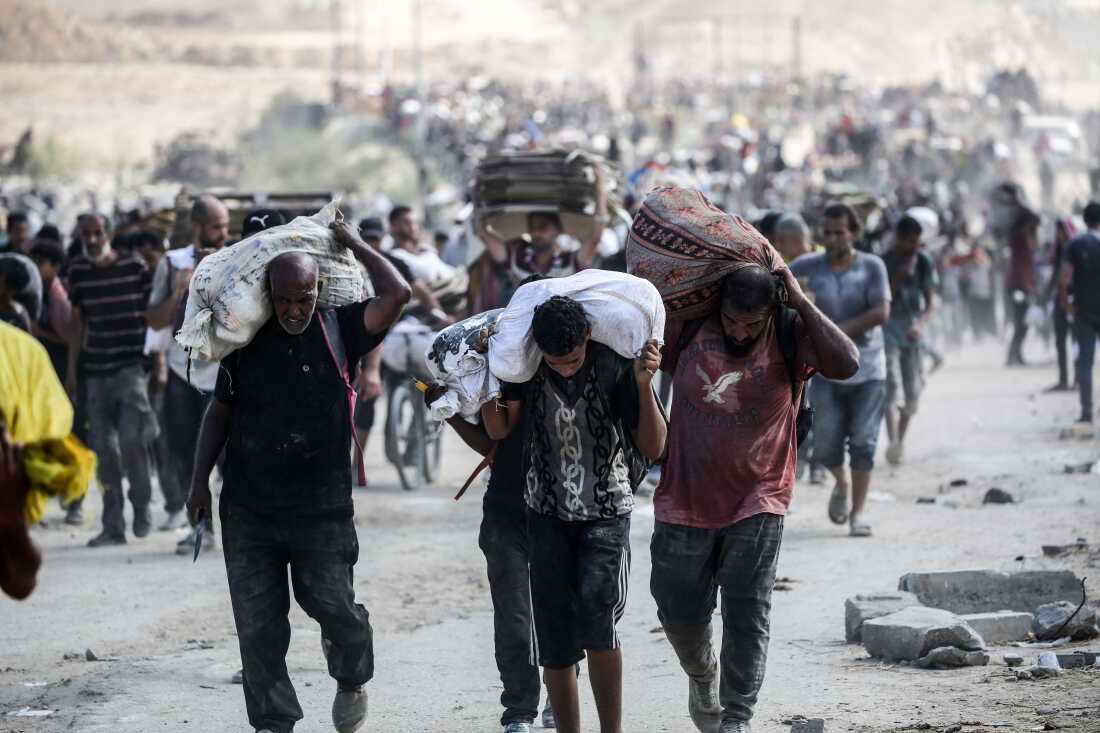
Gaza City is the largest urban center in the Palestinian enclave and has already been devastated by months of conflict. Reports indicate the Israeli military plans to evacuate Palestinian civilians from the area ahead of a full-scale ground offensive.
In an interview with Fox News, Netanyahu emphasized that Israel does not intend to permanently govern Gaza but seeks a security buffer and hopes to eventually hand over control to Arab forces. However, he did not name which countries might take part in such an arrangement.
“The alternative plan presented in the cabinet would not achieve the defeat of Hamas nor the return of the hostages,” Netanyahu’s office stated, noting that most members of the cabinet opposed any deviation from the current military trajectory.
Still, any formal resolution would need full cabinet approval, which may not happen until Sunday. Sources revealed that phased operations and targeted evacuations may precede any deeper push into Gaza territory still outside Israeli control.
This potential reversal of Israel’s 2005 Gaza disengagement — when it withdrew all settlers and soldiers — is stirring political controversy. Right-wing factions blame that decision for Hamas’s rise to power after the 2006 elections.
Hamas has condemned Netanyahu’s latest declaration, calling it “a blatant coup” against ceasefire talks. A Hamas official accused Israel of plotting to “get rid of its captives” rather than negotiate their release.

Arab nations, meanwhile, have distanced themselves from Netanyahu’s proposal, with a Jordanian official telling Reuters that only Palestinian-approved arrangements would gain regional support.
Earlier attempts to place Gaza under the management of a neutral Palestinian technocratic committee — a proposal supported by Egypt and Arab leaders — were rejected by Israel and the U.S.
Public pressure inside Israel is also mounting. Hundreds protested outside the prime minister’s office in Jerusalem Thursday night, calling for an end to the war in exchange for the release of remaining hostages.
“I’m here because I am sick and tired of this government. It’s ruined our life,” said Noa Starkman, 55, who survived the October 2023 Hamas attacks near Gaza.
As of now, about 50 hostages remain in Gaza, with Israel estimating only 20 are still alive. Most releases to date have come through diplomatic efforts. Talks collapsed in July, but Hamas has told Arab mediators it’s open to resuming negotiations if more aid is allowed into Gaza.
The humanitarian crisis continues to deepen, with disturbing images of malnourished hostages and starving children drawing global condemnation. Aid groups warn that Gaza’s 2 million residents — most of them displaced multiple times — are now facing famine.
Despite controlling roughly 75% of the enclave, Israel’s military operations face growing scrutiny. For many Palestinians, repeated evacuations have brought despair, not safety.
“Where should we go? We have been displaced and humiliated enough,” said 30-year-old Aya Mohammad, who has returned to Gaza City with her family after months of fleeing.
