



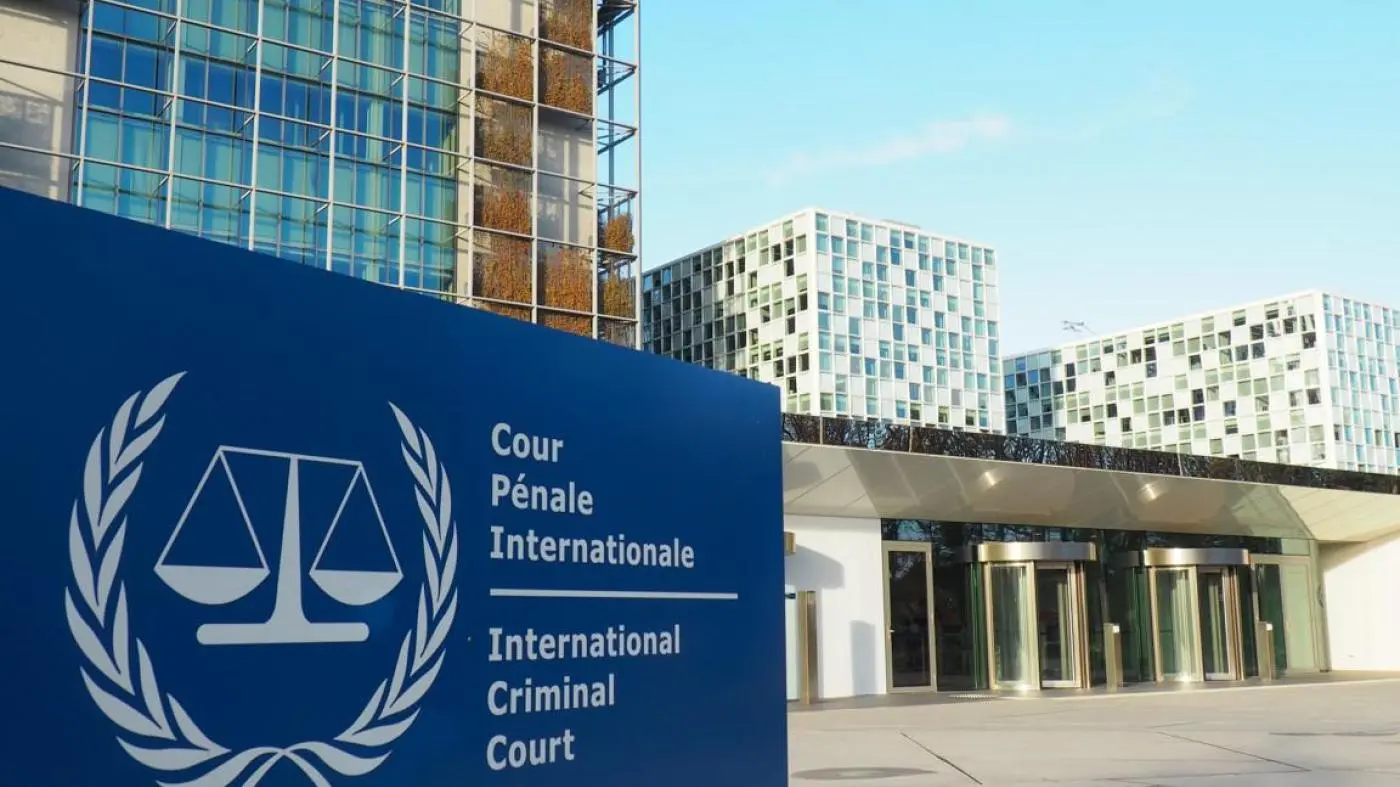

The International Criminal Court has closed its examination of U.S. sanctions against Venezuela, concluding there is insufficient evidence to pursue criminal charges, while separately announcing it will proceed with a crimes against humanity probe into Belarus.

Prosecutors said Thursday the sanctions inquiry — launched after Caracas asked the court in 2020 to investigate what it described as “unlawful coercive measures” — could not clear the legal threshold required to move forward. The measures, which include asset freezes and travel bans on Venezuelan officials, date back to the Obama administration.
While the prosecutor’s office acknowledged it was “generally accepted” that sanctions “may have exacerbated an existing dire humanitarian situation,” it said the evidence fell short of establishing the “necessary intent” needed for criminal liability.
The court was explicit that the closure has no connection to events in Venezuela earlier this year. In January, U.S. forces seized President Nicolás Maduro and his wife in a swift military operation and removed them from the country. Washington has also conducted strikes on vessels it alleges were used to transport drugs out of Venezuela.
The Venezuela sanctions inquiry is distinct from a separate, ongoing ICC investigation into alleged crimes by Venezuelan security forces during the 2017 crackdown on anti-government protesters.

The court has faced internal turbulence over its Venezuela-related work. Appeals judges last year ordered chief prosecutor Karim Khan to step aside from that investigation after determining a conflict of interest existed — Khan’s sister-in-law, criminal lawyer Venkateswari Alagendra, had been part of the legal team acting for Maduro’s government. Khan is currently on temporary leave while the court investigates separate allegations of sexual misconduct against him.
On Belarus, the prosecutor’s office said it is moving ahead with a full investigation following a 2024 referral by Lithuania, which alleged that President Alexander Lukashenko’s government had violently suppressed opposition groups and forced dissidents across the border — a jurisdictional hook that allows the court to act even though Belarus is not a member state.
Belarusian opposition leader Sviatlana Tsikhanouskaya, who is in exile, welcomed the announcement. “This decision restores hope — that justice will prevail, that those responsible will be held accountable, and that the victims will finally receive truth and justice,” she said in a statement to The Associated Press.
The move raises the prospect of formal charges against Lukashenko and senior Belarusian officials.
