



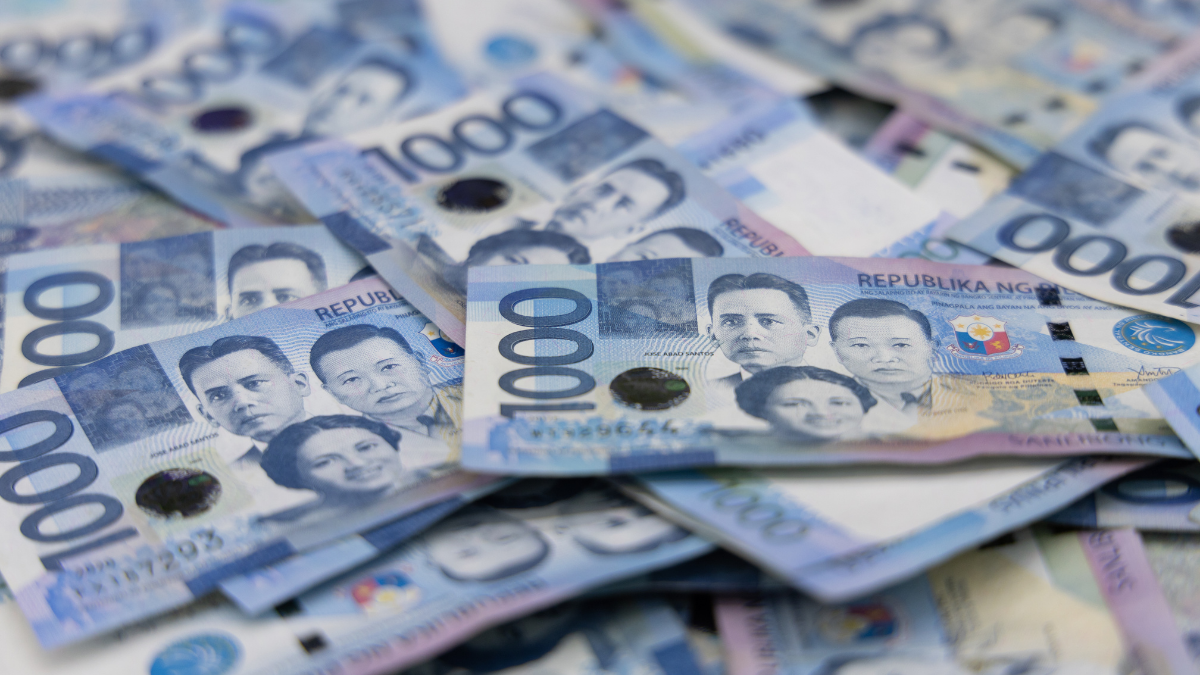

Travelers carrying large sums of money across Philippine borders must follow strict declaration requirements, Bureau of Customs (BOC) Commissioner Ariel Nepomuceno has emphasized, framing compliance as a safeguard for both individuals and the broader financial system.

“These rules have long been in place to promote transparency and protect both the travelling public and the integrity of our financial system,” Nepomuceno said.
Foreign currency exceeding $10,000 or its equivalent must be reported to BOC upon entry or exit, either at designated ports and airports or in advance through the e-Travel platform. “When the total amount exceeds $10,000 or its equivalent in other foreign currencies, the full amount must be declared to the BOC upon arrival or departure,” the agency said.

Philippine peso carried across borders follows a separate threshold. Up to P50,000 per person may be transported without prior approval, but amounts beyond that require written authorization from the Bangko Sentral ng Pilipinas (BSP) — failing which the excess is liable to confiscation.
BSP authorization is not broadly available. The agency only grants approval for narrowly defined purposes, and the BOC specified that “requests for BSP authorization must be filed prior to departure from the country of origin and may be authorized by the BSP only for numismatics purposes (study or collection of currency), currency awareness (e.g. museums, exhibits and literary materials) and testing, calibration and configuration of money counting/sorting machines.”
Travelers who complete currency declarations through e-Travel before arriving in the Philippines can expect smoother processing at ports of entry, the BOC noted.
