



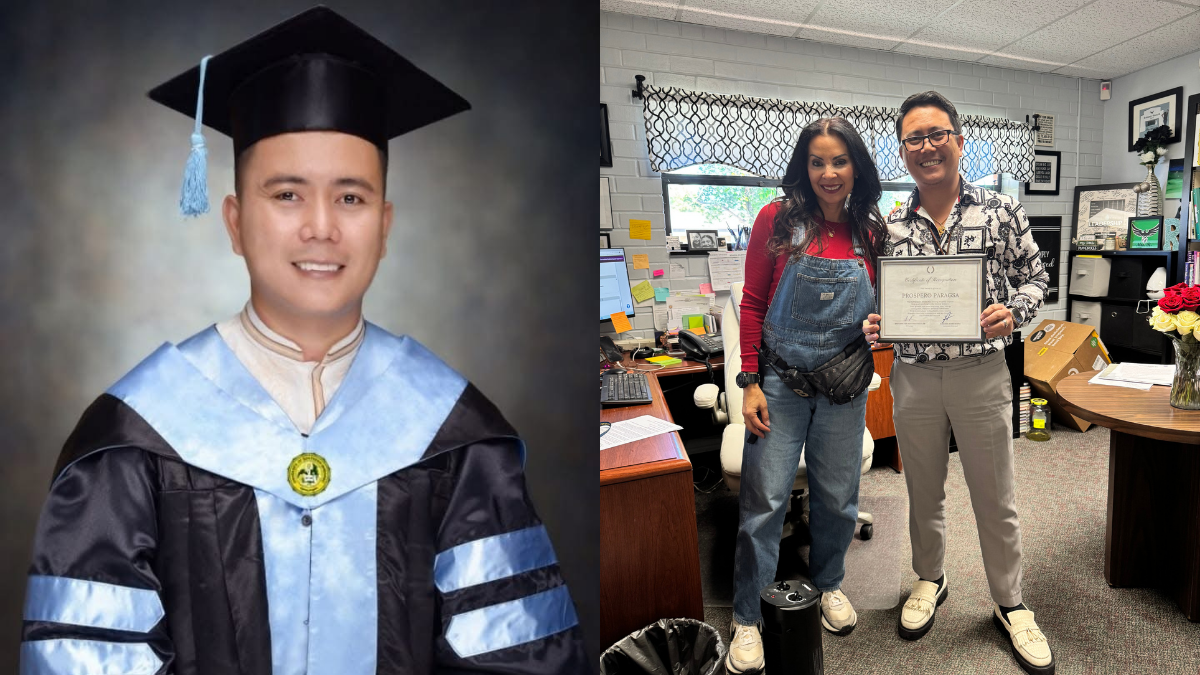

Most people, when they have already won at something, stop pushing. Prospero Paragsa, Jr. is not most people. The 40-year-old educator from Cotabato — a licensed professional teacher, a national awardee, a published researcher with eleven years of classroom experience behind him — packed up everything he had built in the Philippines and started over as the new guy in Tucson, Arizona.

That kind of move is rarely clean or certain. But for Paragsa, it was deliberate.
“Teaching in another country allows me to experience diverse educational systems, innovative teaching strategies, and multicultural learning environments,” he shared with TGFM. “As a Filipino educator, I take pride in sharing the strengths that Filipino teachers are known for worldwide — dedication, adaptability, resilience, and a strong commitment to student success.”
Today, he teaches 5th grade at Roberts Naylor K-8 School under the Tucson Unified School District in Arizona, handling Math, English Language Arts, Science, and Reading. He has been at it since July 2024. But the road that brought him here was longer, and far more textured, than a single career move.
Building a foundation back home
Paragsa’s first classroom was a preschool room at Philippine Normal University’s Pagsasarili Preschool, where he worked with young children using the Montessori method — individualized instruction, hands-on learning, child-led discovery. At the same time, he served as an instructor at PNU’s Center for Teaching and Learning, teaching MAPEH and Technology and Livelihood Education. Two simultaneous roles while building an early career is not unusual for Filipino educators, but it speaks to a pattern that would define him: never doing just one thing.
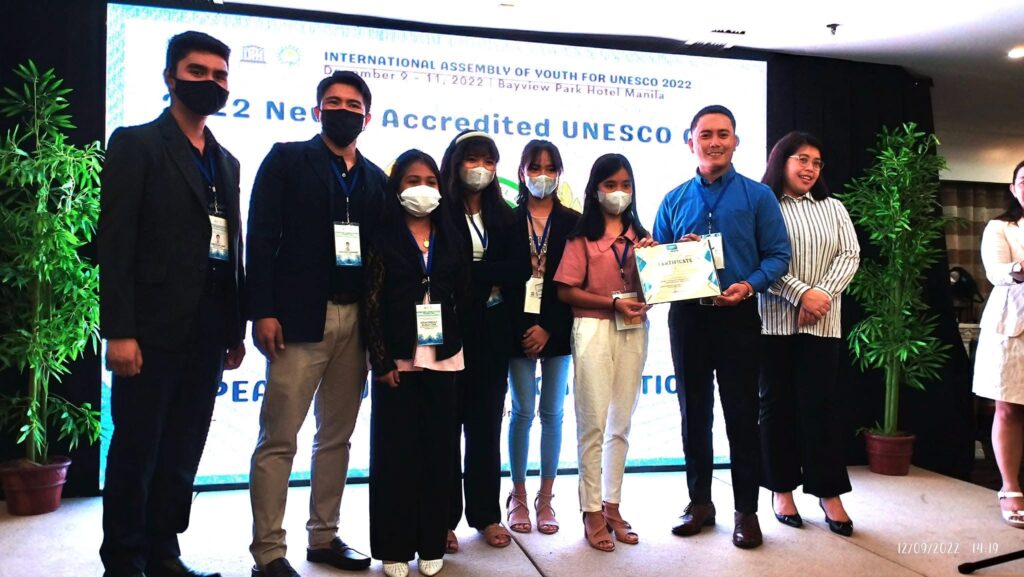
From PNU, he moved into the public school system, first at Central Malamote Elementary School in Cotabato and later at Matalam Central Elementary School, where he stayed for several years and wore several hats. He taught Advanced English, Journalism, and Math. He was the school paper adviser. He served as English Coordinator. He coached student leaders through the Supreme Elementary Learner Government and brought some of them to international youth conferences under the UNESCO Youth for You program, eventually becoming an accredited member of the organization himself.
He also found time to do research. His action research, the CARE Program, was an intervention designed to improve the reading skills of non-readers in Grades 2 to 5. It was not a desk project. He presented it at the International Assembly of Youth for UNESCO in Manila, at the RACE Research Advocacy Conference, and at regional research congresses in General Santos City. The program worked. Struggling readers improved, and Paragsa’s reputation as a literacy advocate grew alongside it.
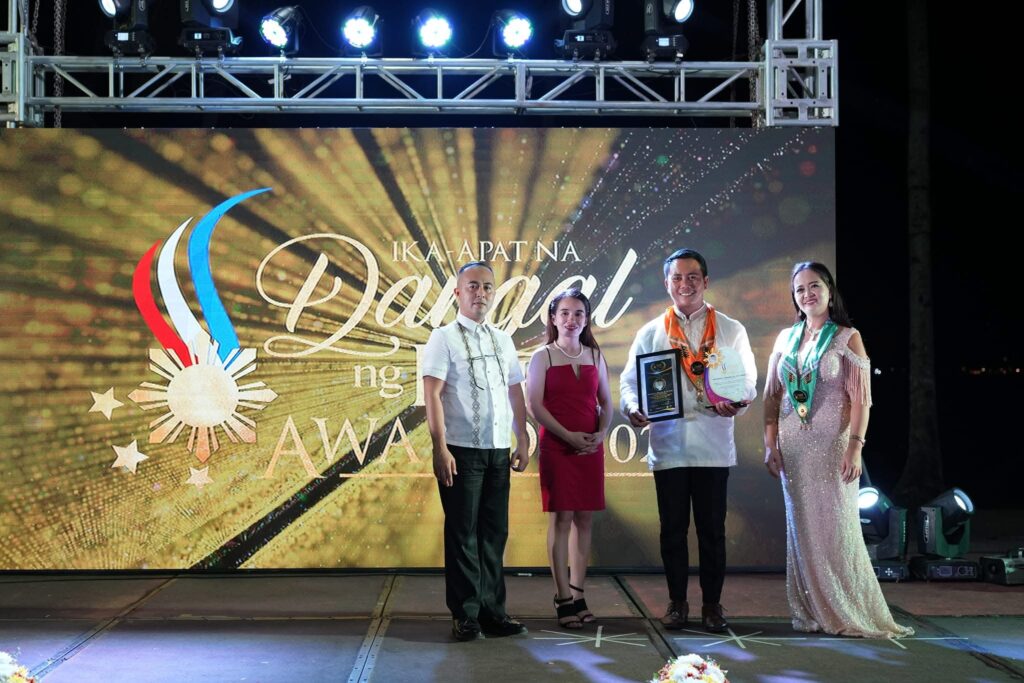
In 2022, that body of work earned him recognition as a National Awardee for Outstanding Elementary Teacher in the Natatanging Guro Awards. The same year, he received the Gawad Siklab Most Outstanding Teacher-Adviser honor in Kidapawan City. These were not participation trophies. They were the result of years of showing up, doing the work, and pushing further than the job description required.
The adjustment no award prepares you for
Still, none of that made moving to the United States easy.
“One of the initial struggles I experienced was adapting to a new cultural and educational environment,” Paragsa said. “The differences in curriculum, instructional approaches, and classroom management strategies required patience, flexibility, and a willingness to continuously learn.”

There was also the quieter weight of being far from home. The missed family moments. The disorientation of a new country. The professional confidence that accumulates over years suddenly feeling less reliable in an unfamiliar system.
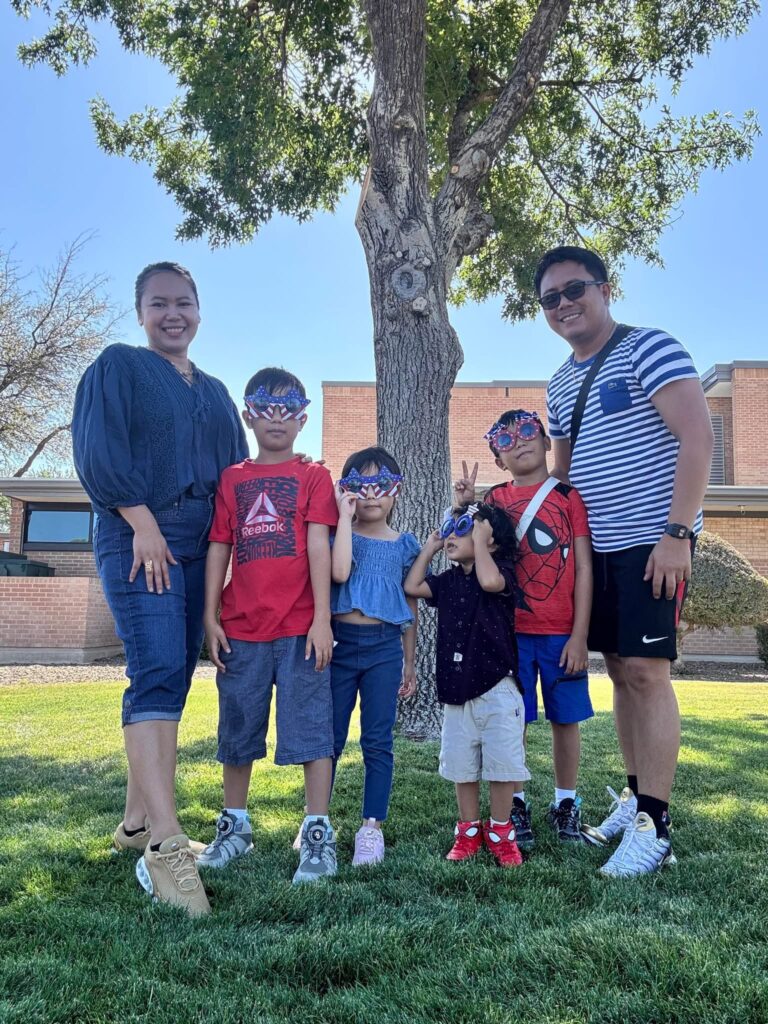
What helped, he said, was the people around him — fellow Filipino educators, supportive colleagues, and the leadership at Roberts Naylor K-8, who guided him through the transition with what he described as genuine mentorship and encouragement. “Their understanding and encouragement played a significant role in helping me transition smoothly and grow professionally in my current role,” he said.
He is also part of the United Federation of Fil-Am Educators (UNIFIED), where he currently serves as Director for Membership and Retention for the Southern Arizona Chapter. It is the kind of community that sustains what the awards cannot: a sense of belonging in a place that is not yet home.
What he carries into every classroom
The students Paragsa teaches in Tucson come from varied cultural and linguistic backgrounds, including many multilingual learners and struggling readers — the same type of learners he spent years designing interventions for back in Cotabato. The work is different in setting but familiar in purpose.
“The most rewarding moments are when students who once struggled begin to gain confidence and show academic progress, especially in reading and language development,” he said. “Seeing students discover their abilities and develop a love for learning reminds me why I chose this profession.”
He is also still studying. He completed a Master of Arts in Educational Management from the University of Southern Mindanao. He is now pursuing a Master of Education in Special Education — a degree aimed at deepening his capacity to work with students who need differentiated instruction, which, in a school as diverse as his current one, means nearly everyone.
His advice to fellow Filipinos working abroad is grounded and plainspoken, the kind that comes from experience rather than motivational language. Stay strong. Trust the process. Don’t let homesickness hollow you out. “Every challenge you face is an opportunity to grow stronger and wiser,” he said. “Do not be afraid of setbacks because they often lead to greater opportunities and valuable lessons in life.”
He also plans to come back. Not soon, perhaps, but eventually. When he does, he intends to bring with him everything he has gathered — new frameworks for literacy development, a sharper understanding of inclusive education, and first-hand knowledge of what it means to teach in a system built differently from the one he was trained in.
“My goal is to contribute to literacy development programs, inclusive education initiatives, and teacher professional development programs,” he said. The CARE Program was a beginning, not an endpoint.
