





For many Filipinos working overseas, there comes a quiet moment when the reason for leaving home is tested—not by distance or fatigue, but by whether the sacrifice still makes sense. Gary Steve R. Nonan has stood in that moment more than once, over the past 11 years, as he built a life and a career far from the Philippines while holding tightly to the values that first drew him to nursing.

At 37, Gary is a Shift in Charge—more commonly known as a Charge Nurse—at King Fahd Medical City in Riyadh, Saudi Arabia, assigned to the Stroke Rehabilitation Ward. His role places him at the intersection of patient care, leadership, and accountability, but his journey to this point has been shaped as much by personal resolve as by professional ambition.
Learning to grow beyond comfort zones
Gary began working abroad in Saudi Arabia, stepping into his first overseas post as a Staff Nurse. Like many Filipino nurses, his decision to leave home was rooted in both responsibility and aspiration. “I chose to work abroad because I wanted to create a better future for my family while pursuing my calling as a nurse,” he shared with TGFM. The choice was not romanticized; it was practical, emotional, and deeply personal. “Leaving my home country was not an easy decision—it meant stepping out of my comfort zone and being away from the people I love.”
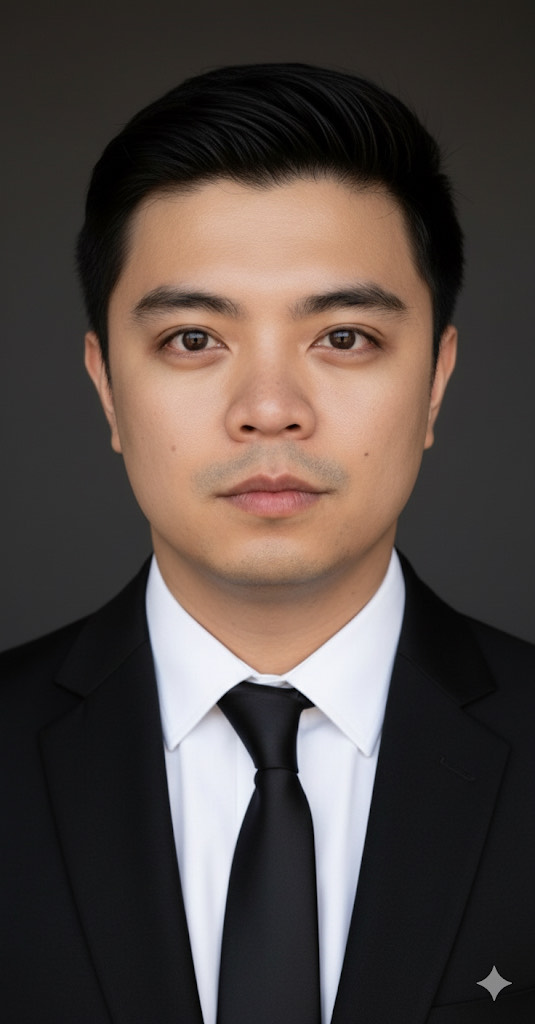
That early period abroad demanded rapid adjustment. Saudi Arabia’s healthcare system, workplace culture, and patient demographics were vastly different from what he had known in the Philippines. Gary found himself navigating cultural nuances, new protocols, and unfamiliar expectations—all while proving his competence in a high-pressure clinical environment. Yet those challenges became formative. “Working in a different country and culture challenged me to grow both professionally and personally,” he said. “It taught me adaptability, resilience, and the importance of delivering compassionate, culturally sensitive care in a diverse healthcare environment.”
These lessons would later define his approach to nursing, particularly in stroke rehabilitation—a field that requires patience, consistency, and a deep understanding of human vulnerability.
A foundation built back home
Long before Gary took on leadership responsibilities in Riyadh, his professional identity was shaped in the Philippines. His early years as a Staff Nurse grounded him in what he describes as compassionate and competent patient care. But even then, his inclination toward service extended beyond bedside duties.
He took on the role of a reviewer for nurses preparing for the Philippine Licensure Examination, mentoring aspiring professionals during one of the most stressful periods of their lives. “This experience taught me the power of service through education and mentorship,” he reflected. Teaching others sharpened his own understanding of nursing fundamentals and reinforced his belief that healthcare is as much about lifting others as it is about individual achievement.

When he eventually left for Saudi Arabia, he carried those values with him. The transition was not seamless. Adjusting to a new system tested his resilience, but it also expanded his skill set and perspective. Over time, Gary specialized in stroke rehabilitation nursing, supporting patients during a critical phase when recovery is uncertain and progress often comes in small, hard-earned steps.
Finding purpose in recovery
Today, Gary works in the Stroke Rehabilitation Ward, where success is rarely immediate and patience is a daily requirement. His responsibilities include administering medications, monitoring patient progress, coordinating with a multidisciplinary team, and guiding families through complex recovery processes. What anchors him is the human aspect of the work.
“What I enjoy most about my work as a Charge Nurse in the Stroke Rehabilitation Ward is the opportunity to be part of my patients’ journey toward recovery and independence,” he said. He chose nursing because it allowed him to serve in a tangible way. “From the beginning of my career, I felt a deep calling to care for those who are vulnerable and in need.”
In stroke rehabilitation, victories are often quiet—an unsteady step taken without assistance, a sentence spoken clearly after weeks of therapy, a smile from someone who had lost hope. “The most satisfying moments are when I see patients regain their strength, accomplish tasks they once thought impossible, or simply smile because they feel supported and understood,” Gary shared.
Those moments, he said, affirm why he continues in a demanding field. “This is not just a job for me—it is a passion and a calling that continues to drive me forward.”
Stepping into leadership
Gary’s dedication did not go unnoticed. Through years of consistent performance, teamwork, and initiative, he was promoted to Charge Nurse, a role that expanded his responsibilities from individual patient care to unit-wide leadership. As Shift in Charge, he coordinates care delivery, supports staff, ensures safety standards are met, and mentors younger nurses navigating their own learning curves.
“I also cherish mentoring and leading my nursing team,” he said. “Supporting my colleagues, sharing knowledge, and fostering a positive and collaborative environment gives me a sense of purpose and fulfillment beyond patient care.”

His leadership extended beyond daily operations. Gary served as Chairman of the Unit Based Council, contributing to quality and safety initiatives that aimed to improve patient outcomes and staff education. These efforts culminated in formal recognition. In July, he received the Anexas Lean Six Sigma Internal – Excellence Award, honoring his contributions to quality improvement processes. In November, he was named one of the Outstanding Filipino Nurses in Saudi Arabia, receiving The Nightingale Award “The Golden Light.”

“This recognition was especially meaningful to me as it reflected not only my professional skills but also my commitment to compassion, service, and leadership in nursing,” he said.
Confronting distance and doubt
Despite professional milestones, Gary’s journey abroad was not without struggle. The early years were marked by isolation, cultural adjustment, and the emotional weight of being far from family. “Being away from my family and support system made the transition even harder, and there were times when I felt overwhelmed and uncertain,” he admitted.
He relied heavily on continuous learning and humility, seeking guidance from senior nurses and observing how seasoned professionals navigated challenges. “My support system—both my family and my wife back home and my colleagues abroad—played a vital role in helping me navigate difficult moments,” he said.
Those experiences reshaped his perspective. Rather than viewing hardship as a setback, Gary came to see it as preparation. “Looking back, every struggle became an opportunity to learn, grow, and become the nurse I am today—one who leads with heart, serves with dedication, and inspires others along the way.”
What working overseas has given him
For Gary, the appeal of working overseas extends beyond financial stability. Exposure to advanced healthcare systems and international standards broadened his clinical competence and reinforced the importance of adaptability. “Working in a multicultural environment has also taught me adaptability, cultural sensitivity, and effective communication,” he noted.
On a personal level, the experience strengthened his independence and resilience. Supporting his family while pursuing his passion gave his sacrifices meaning. “Ultimately, the combination of professional growth, the chance to make a meaningful impact on patients’ lives, and the personal fulfillment of supporting my family makes working overseas an experience that I deeply value.”
Looking toward home
While Gary continues to serve in Saudi Arabia, his long-term vision is rooted in giving back. “Once I complete my tenure abroad, my aspiration is to bring back the knowledge, skills, and experiences I’ve gained to serve my community and contribute to the nursing profession in the Philippines,” he said.
He hopes to focus on rehabilitation nursing and patient-centered care, sharing best practices and mentoring young nurses. His earlier experience as a licensure exam reviewer remains a touchstone. “I am also passionate about mentoring and supporting aspiring nurses, just as I once guided future nurses,” he added.
For Gary, working abroad is not an end point but a means. “I see my overseas journey not only as a career milestone but also as a way to gain the tools and perspective needed to give back to the people and communities that shaped me.”
Words for fellow kababayans
When asked what advice he would offer other Filipinos abroad, Gary speaks with empathy rather than authority. “It is normal to feel lonely, face financial pressures, or struggle with adapting to a new environment,” he said. His guidance is grounded in lived experience: stay anchored to values, work with integrity, and build relationships with people who genuinely support you.
“Remember, your work abroad is not just for survival, but also to create a better future for yourself and your family,” he said. “Above all, hold on to hope, remain resilient, and continue serving with compassion and pride.”
Carrying the work forward
As Gary reflects on his journey—from mentoring students in the Philippines to leading a rehabilitation ward in Riyadh—he returns to a simple truth. “Nursing is much more than a profession; it is a calling,” he said. Awards and recognition matter, but they are not the measure of success. “The greatest reward is seeing the lives you touch improve, knowing that your dedication truly matters.”
