



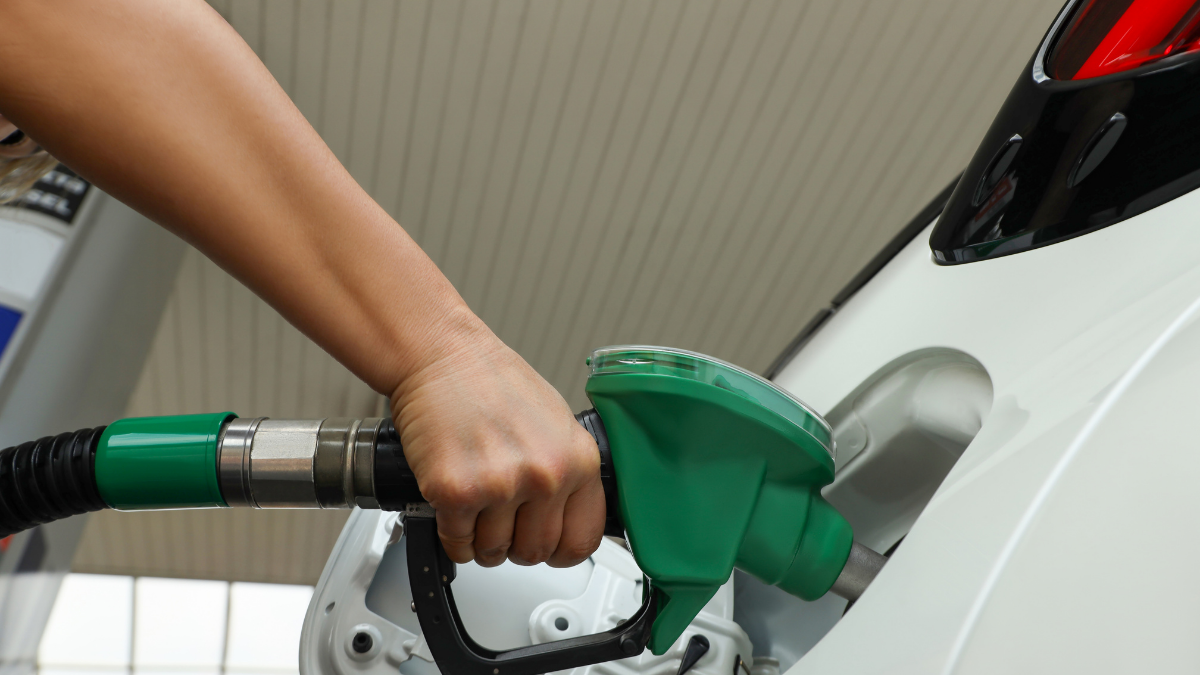

Fuel hoarding triggered by the ongoing Middle East conflict has pushed Sri Lanka to revive a rationing mechanism it last used during its 2022 economic collapse, with the government reimplementing a mandatory QR code system for all fuel purchases starting Sunday morning.

The system took effect at 6:00 a.m. local time, with fuel stations barred from dispensing fuel to any vehicle without a registered QR code. The Ministry of Energy cited escalating geopolitical tensions in the Middle East affecting global supply routes, alongside an abnormal rise in local demand driven partly by illegal hoarding and black-market activity.
Under the weekly quotas set by the ministry, buses will receive 60 litres and cars 15 litres. The rationing applies despite authorities insisting there is no immediate shortage — the ministry noted that enough fuel remained available to cover roughly four months of supply.
The rollout, however, was not without problems. Long queues formed outside fuel retailers, with retailers attributing the congestion to technical difficulties in operating the QR code system. Hundreds of online comments reported that the National Fuel Pass website was not functioning and that registration for new vehicles remained unavailable.

The broader disruption stems from fighting that escalated across the Gulf region after February 28. The United States and Israel launched a joint attack on Iran, and Iran’s retaliation extended the conflict across the wider Gulf region. Iranian strikes near the Strait of Hormuz have disrupted maritime traffic through the waterway, which is critical to global crude and oil supply chains.
Ahead of the rationing rollout, Colombo had already moved to tighten demand through other means. Fuel prices were raised last week to discourage hoarding, even as queues at pumps had been building since hostilities broke out. The government also urged the public to limit non-essential travel to reduce consumption.
The government has said it is in discussions to secure fuel from India and Russia.
Sri Lanka’s turn to QR-based rationing carries a specific historical weight. The same system proved effective in 2022 when a severe foreign exchange shortage made it impossible for the country to pay for fuel shipments. That crisis claimed more than 25 lives between March and July, with fatalities linked to exhaustion from prolonged waits at fuel queues. An Indian credit line channelled through Lanka Indian Oil Corporation helped bring the situation under control.
