



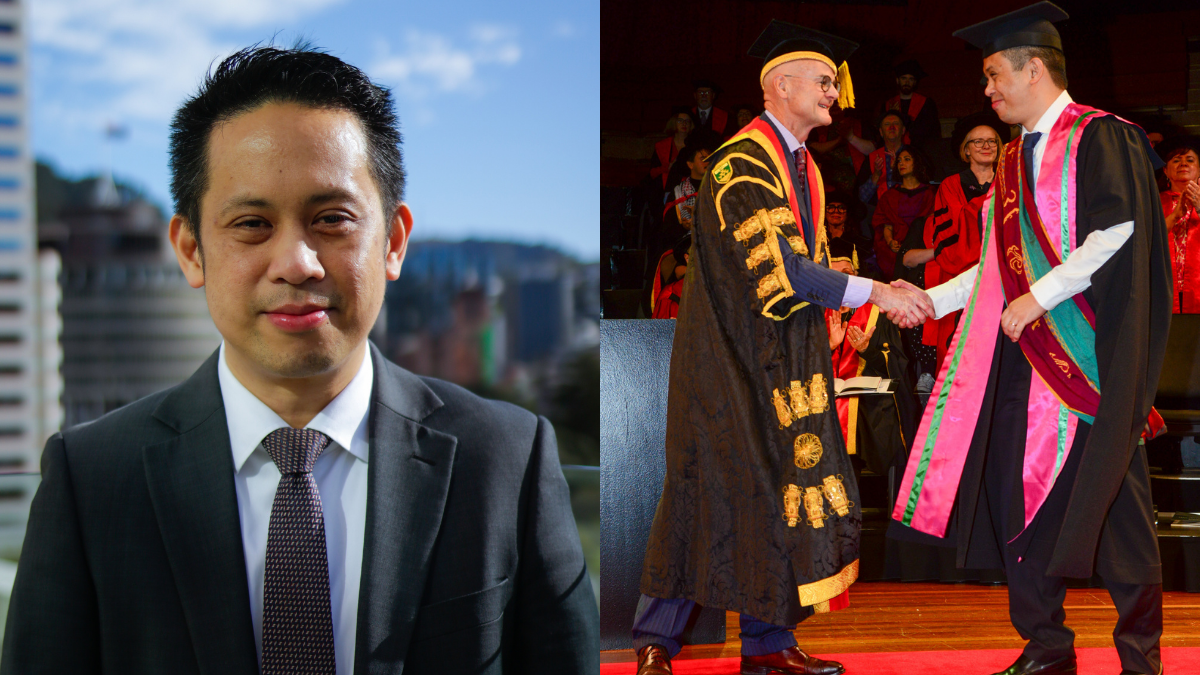

Recognition from within the New Zealand government has placed a Filipino migrant’s work in public service under the national spotlight. Ramil de Jesus, a Wellington-based public servant originally from Marikina City, was named the 2025 Māia – Bold and Brave Individual Winner for Public Service, an internal distinction under the awards programme of the New Zealand Ministry of Business, Innovation and Employment.

De Jesus was selected from nearly 2,500 nominees across the country for his work in community engagement and migrant-focused communication, a recognition he describes as deeply personal after more than a decade navigating life overseas as a former overseas Filipino worker.
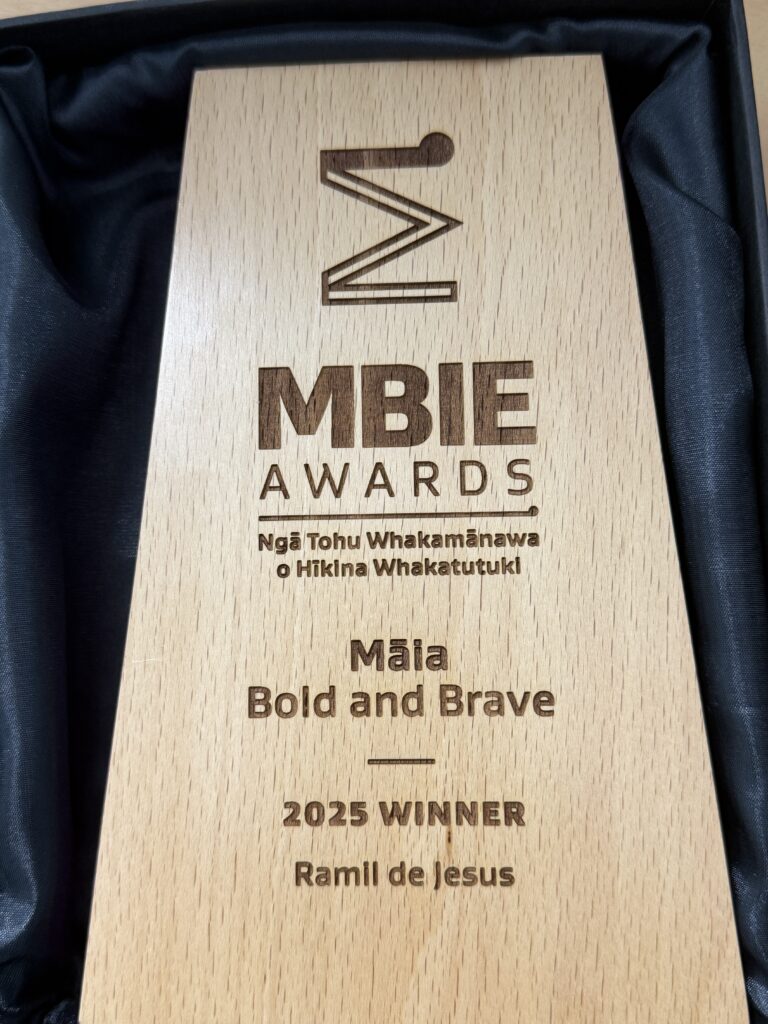
He currently serves as Senior Advisor under Te Whakatairanga Service Delivery, producing and shaping communication materials for Immigration New Zealand. His work centers on explaining visa requirements, policy updates, and settlement information in plain language, ensuring accessibility for migrants from diverse backgrounds.
Before entering government service, de Jesus built a long career in Philippine broadcast journalism. His final role in the Philippines was as Executive Producer of I-Witness, hosted by Howie Severino, following earlier production work on Pinoy Abroad and GamePlan. That background later became a critical asset in his work abroad.
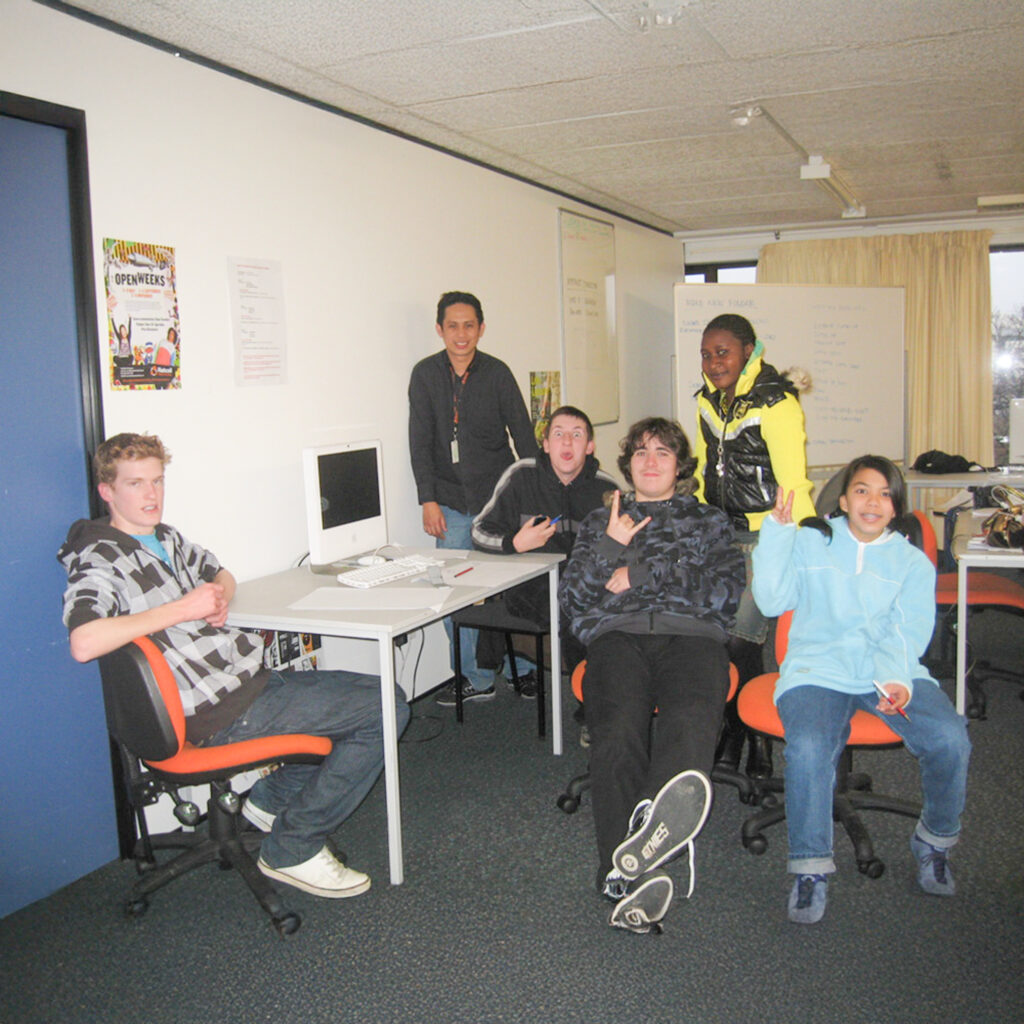
He first arrived in New Zealand in June 2009, relocating to Auckland to teach video production at a local school after being recruited based on his professional portfolio. Less than a year later, he obtained New Zealand residency in March 2010, marking the beginning of a longer-term transition from media to public service.
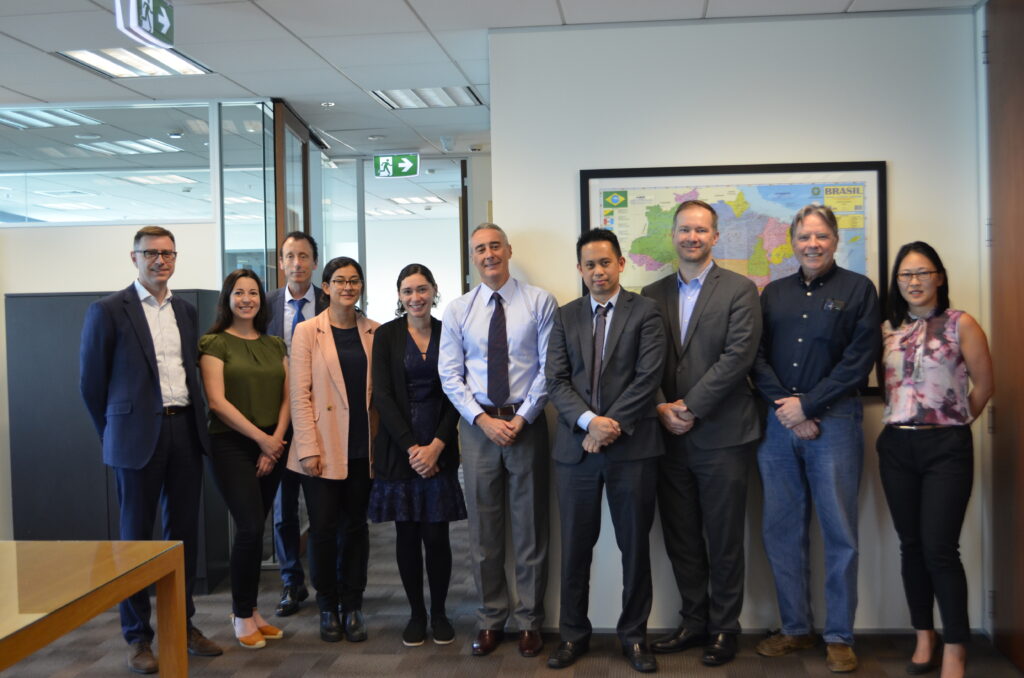
That shift took shape in 2012 when he joined the Embassy of Brazil in Wellington. The post placed him at the center of international promotional efforts tied to Brazil’s hosting of the 2014 FIFA World Cup and the 2016 Rio Olympic Games. His video production expertise supported diplomatic campaigns and public-facing initiatives, and during his decade-long tenure he also learned Portuguese.
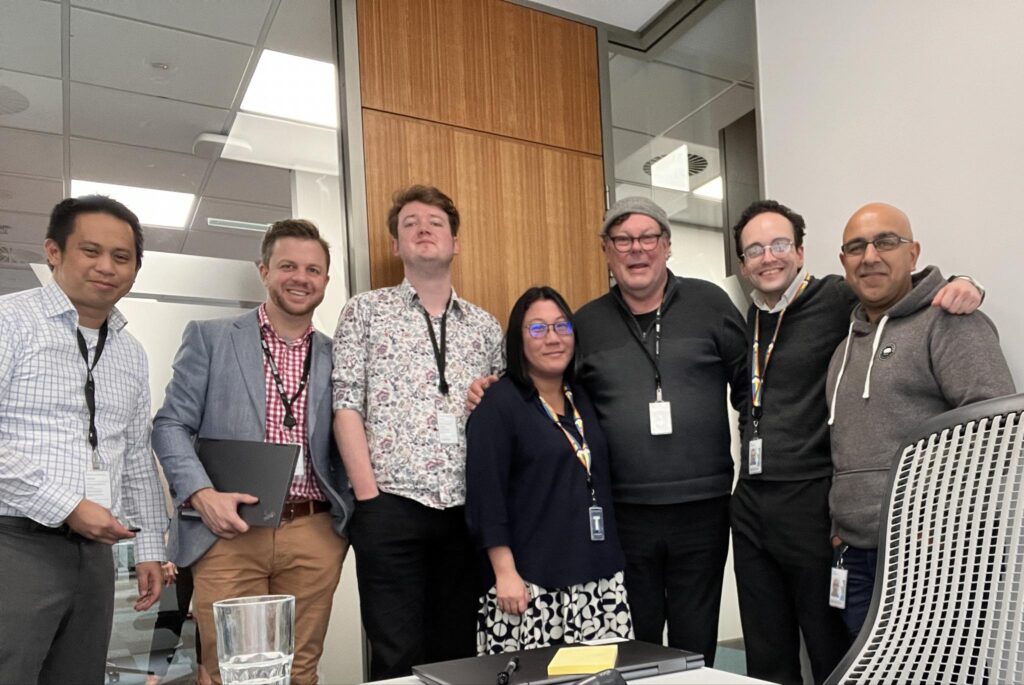
In January 2022, de Jesus applied for a vacancy within the New Zealand government that aligned closely with his lived experience as a migrant. The role involved developing information products for people seeking to visit, study, work, or settle permanently in the country. He said his background in media, combined with multilingual exposure and first-hand knowledge of migration challenges, positioned him to contribute immediately.
“It was an opportunity for me not only to help Filipinos, but also other nationalities wanting to visit, study, work or permanently live in New Zealand,” he shared with TGFM. “I help write in Plain language government information targeted for them, and facilitate translations whenever possible. We put these information in various channels – website, emails, printed material and social media.”
Receiving the Māia award marked a different kind of milestone for de Jesus, who has earned multiple accolades earlier in his career. This recognition, he said, carried particular weight because it came from within the public service of his adopted country.

“I’ve had the privilege of earning several awards during my time in the media industry, but being recognised as a New Zealand public servant — selected from nearly 2,500 nominations — is by far the most rewarding,” he said. “It shows that New Zealand is a country that recognises excellence, diversity and contribution, and a place where migrants can succeed and feel included.”
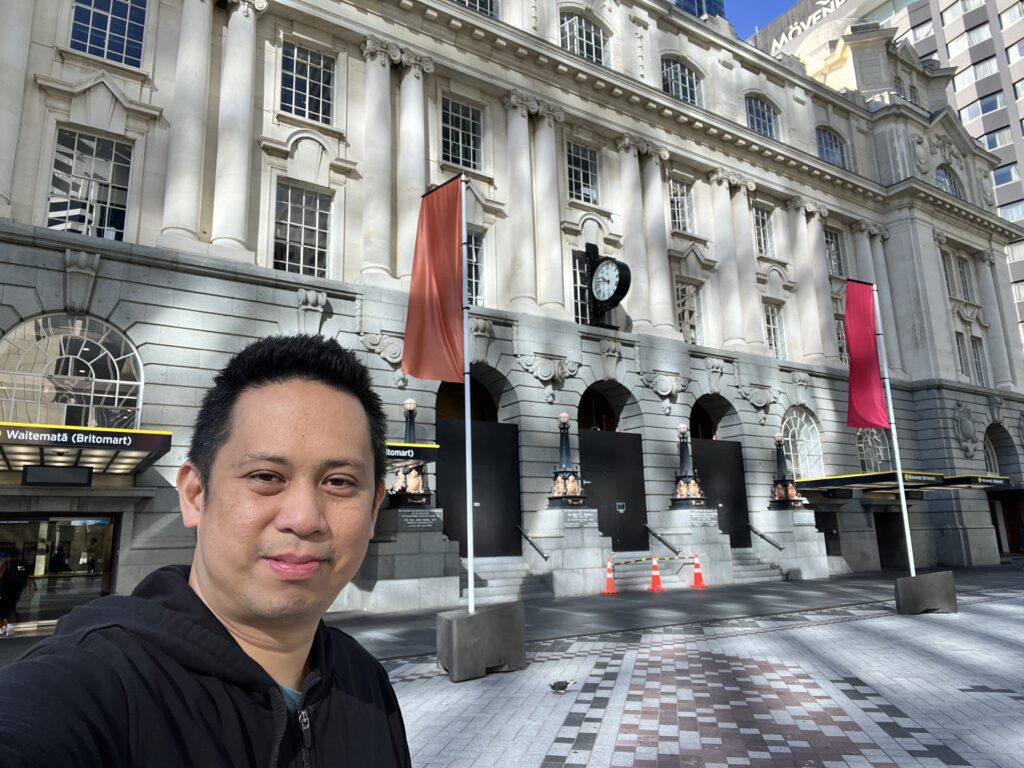
Behind the professional achievements, he acknowledged the personal costs that often accompany migration. Arriving alone in New Zealand, he said homesickness and emotional isolation were among the most difficult hurdles, particularly during early years without close family support.
“Homesickness and emotional isolation was the biggest for me, since I arrived alone here with no family,” he said. “Being far from loved ones, missing important family milestones, and having limited social networks outside work can take an emotional toll.”
His current work with Immigration New Zealand, he noted, is driven by the belief that accurate, accessible information can ease those same pressures for others. Producing content across emails, websites, videos, and social media, he focuses on clarity to help migrants navigate what he described as the “complex labyrinth of immigration law and adjusting to life in a new country.”
De Jesus also pointed to the broader role of Filipinos within New Zealand society, citing their presence across essential sectors including dairy farming, construction, and aged care. He said Filipino workers are widely regarded for reliability, strong work ethic, and willingness to take on responsibility—qualities that have helped establish trust within local communities and workplaces.
To Filipinos aspiring to build careers overseas, de Jesus framed migration not as a single leap but as a process of adaptation.
“To every Filipino dreaming of a career overseas: your courage already sets you apart,” he said. “The journey won’t be easy—there will be sacrifices, setbacks, and moments of doubt—but starting small or adjusting to a new system is not failure. It’s progress. Be patient, keep learning, and trust the skills and values that make Filipinos respected worldwide.”
The Māia – Bold and Brave Award is an internal recognition category within MBIE, aligned with the organisation’s value of Māia, which promotes courage, curiosity, and challenging established norms.
