



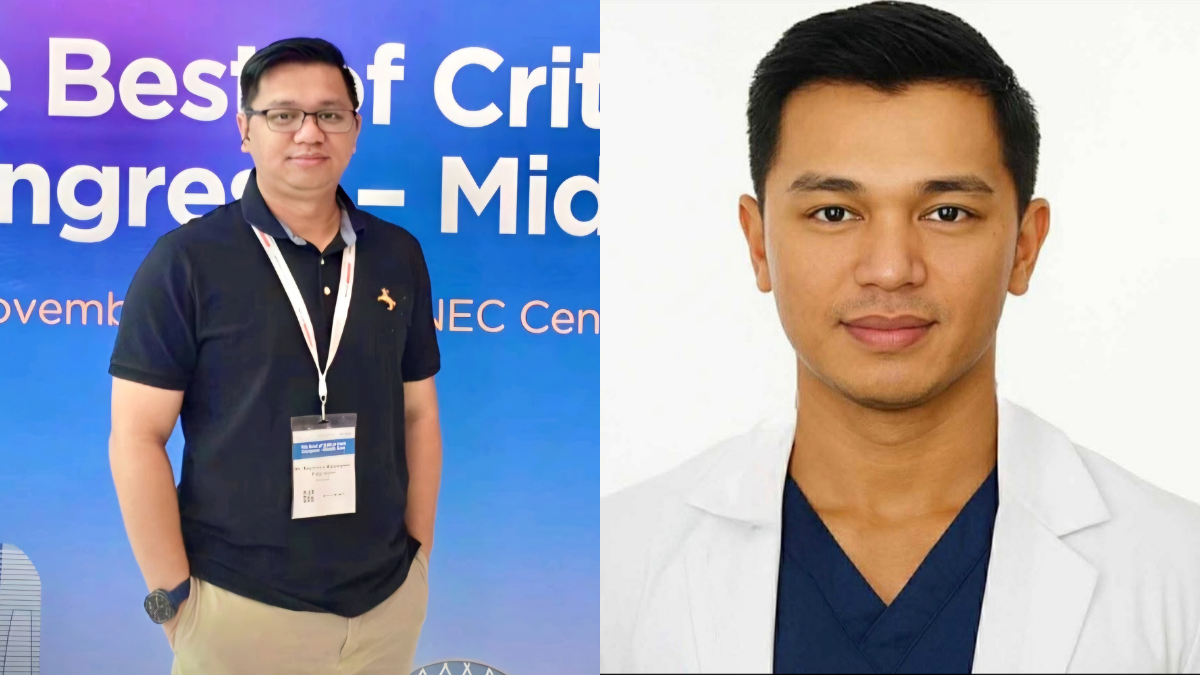

There are moments at work when everything feels suspended in time — the monitors hum, the room tightens, and one decision can change the course of a life. Raymond Kristopher Galapate Pagulayan has built his career in that space.

At 39, Pagulayan serves as a Charge Nurse in the Intensive Care Unit of Mediclinic Airport Road Hospital in Abu Dhabi. Eleven years into his life overseas, he carries multiple licenses — in the United States, the United Arab Emirates, and the Philippines — but it is not the credentials he speaks of first. It is growth.
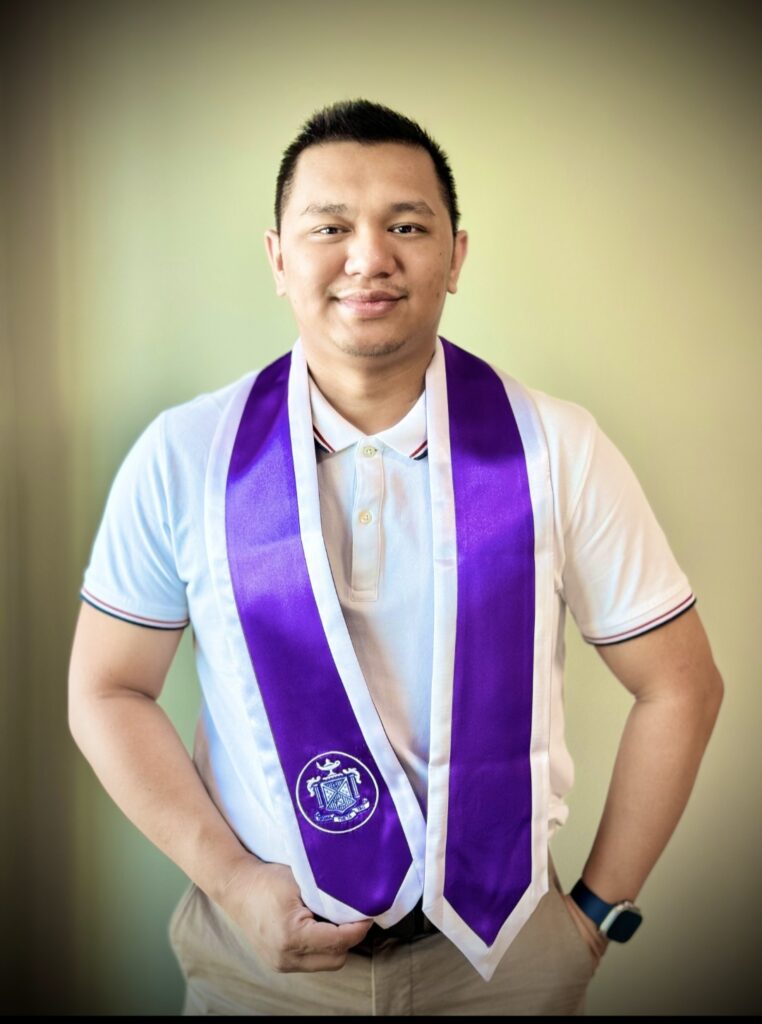

“Some journeys are defined not by distance travelled, but by the growth shaped along the way,” he shares with TGFM, reflecting on a path that began in the Philippines and evolved across continents.
From bedside to leadership
His early years as a nurse were shaped by conditions that demanded grit. In the Philippines, he worked in environments where resources were limited and expectations were high. It was there, he says, that he formed the habits that would define his career: adaptability, sound clinical judgment, and deep empathy.
“My nursing journey began in the Philippines, where I established strong clinical foundations and developed a deep commitment to service despite resource challenges,” he shares.
The transition abroad was not simply about higher pay or a different setting. It was intentional. “Working abroad was a deliberate decision to grow beyond familiar boundaries and expand both my professional and personal horizons.”
Exposure to global healthcare systems expanded his clinical skillset, but it also pushed him into leadership. Over time, he moved from being primarily a bedside clinician to overseeing clinical operations, mentoring colleagues, and guiding teams through high-stakes decisions.
One of the milestones he considers most meaningful is that shift. “One of the most significant milestones in my career has been transitioning from bedside clinician to mentor and unit leader.”
In the ICU, leadership is not theoretical. It unfolds in real time — during emergencies, code situations, and complex patient management. Pagulayan coordinates multidisciplinary teams, ensures patient safety protocols are upheld, and fosters collaboration among nurses, physicians, and allied health professionals. For him, the role is about accountability balanced with compassion.
The human side of critical care
Critical care nursing is often perceived as purely technical — ventilators, drips, lab values, and clinical algorithms. Pagulayan sees it differently.
“Critical care nursing represents the intersection of science and humanity,” he says.
He describes the quiet victories that never make headlines: a patient stabilizing after hours of uncertainty, a family finally breathing easier after an update, a junior nurse gaining confidence during a challenging case. “The most fulfilling moments are often quiet yet profound,” he explains.
Beyond direct patient care, he emphasizes building a culture grounded in teamwork and empathy. As a Charge Nurse, he mentors staff and promotes shared leadership. He believes that empowered nurses elevate patient outcomes and strengthen workplace culture.
His dedication has not gone unnoticed. He has been inducted into the Sigma Theta Tau International Honor Society of Nursing, recognizing scholarship and leadership. He has also received multiple DAISY Award honors, which celebrate compassionate care.

Yet when asked about recognition, he redirects the focus. “Working abroad has deepened my understanding that true success lies in impact rather than recognition.”
For Pagulayan, the real measure of achievement is found in daily practice — in the lives touched and the colleagues supported.
The realities of starting over

The decision to leave home came with cost. Like many overseas Filipino professionals, Pagulayan faced homesickness and cultural adjustment.
“Like many overseas professionals, the journey came with challenges — homesickness, cultural adjustments, and the pressure to prove oneself in unfamiliar surroundings,” he recalls.
In the early months abroad, uncertainty lingered. Adapting to new clinical standards, communication styles, and workplace expectations required humility and resilience. But he credits perseverance, continuous learning, and strong support systems for helping him navigate the transition.
“There were moments of uncertainty, particularly during the early stages of transition. I overcame these through perseverance, continuous learning, and the support of family, mentors, and colleagues who eventually became a second home abroad.”
Those experiences reshaped his understanding of strength. “These experiences taught me that resilience is not formed in comfort, but in moments that require courage, humility, and adaptability.”
Working in a multicultural healthcare environment further expanded his perspective. He learned to collaborate with professionals from different backgrounds and to appreciate how cultural sensitivity improves patient care.
“Healthcare transcends borders, uniting professionals through a shared mission of compassionate care,” he says.
Looking ahead
Even after more than a decade abroad, Pagulayan does not see his work as static. His long-term plans focus less on position and more on contribution.
“Looking ahead, I hope to continue contributing to healthcare through mentorship, leadership development, and professional education,” he says.
He envisions sharing lessons gained from international practice to help strengthen nursing standards and empower younger professionals. Education, advocacy, and leadership remain central to his goals.
“Nursing is more than a career; it is a lifelong commitment to service,” he reflects.
He speaks with particular conviction when addressing fellow Filipinos working overseas. The advice is practical but rooted in identity.
“To my fellow Filipinos working overseas, carry your roots with pride and let your values guide every step of your journey.”
He acknowledges the emotional toll of distance from home but frames it as part of the shaping process. “Working far from home will test your resilience, patience, and sense of identity, but these challenges also shape strength and character.”
Professional excellence, he insists, must be paired with humility and kindness. “Stay committed to excellence, remain humble in success, and continue learning even when the path feels difficult.”
And perhaps most importantly, he reminds them of what they represent. “Wherever you practise, you represent more than your individual achievements — you carry the legacy of Filipino nurses known worldwide for competence, compassion, and unwavering dedication.”
In the end, Pagulayan returns to what sustains him through every shift: purpose.
“Through every shift and every challenge, I continue to learn that meaningful change often begins with quiet dedication and the willingness to care deeply for others.”
