



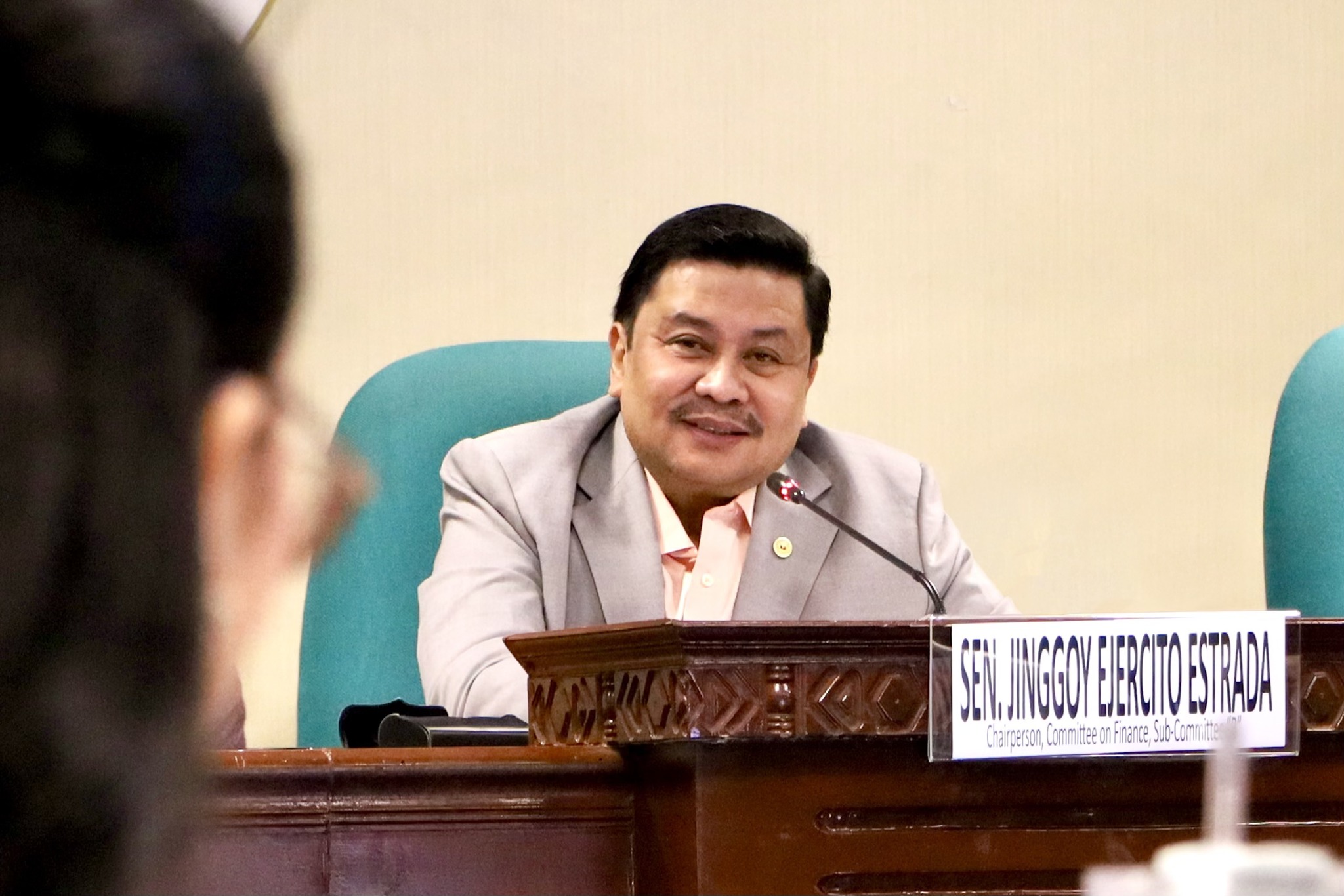

A proposal in the Senate is moving to halve the cost of sending money home for overseas Filipino workers, with its author framing the measure as both consumer protection and economic policy.

Senate Bill No. 1074, titled the “Overseas Filipino Workers (OFWs) Remittance Protection Act,” filed by Jinggoy Estrada, requires banks and non-bank financial intermediaries to apply a compulsory 50 percent discount on remittance fees charged to OFWs. Institutions that comply would be allowed to treat the discounted amount as a deductible operating expense for tax purposes.
Estrada pointed to the scale of overseas remittances to justify stronger safeguards, citing official figures showing that money sent home by Filipinos abroad reached $38.34 billion in 2024, up three percent from the previous year. These inflows accounted for about 8.3 percent of gross domestic product and 7.4 percent of gross national income, reinforcing the role of OFWs in sustaining household consumption and national growth.
“This is a win-win situation for our OFWs and their families, as well as for banks and remittance centers,” Estrada said in a statement. “The least we can do is make sure that every peso sent home reaches their loved ones with its full value intact, and not eaten up by excessive or unfair charges.”

Beyond lowering fees, the bill outlines tighter operational rules for remittance service providers. It orders full disclosure of peso-equivalent exchange rates in remittance centers, bars unauthorized deductions and hidden charges, and bans any increase in fees without prior coordination with relevant government agencies.
The proposal also outlaws the withholding, denial, or use of remitted funds without the consent of the OFW or the intended beneficiary, as well as charging amounts beyond what the law permits or failing to clearly display applicable exchange rates.
In its explanatory note, the measure further assigns government agencies to roll out free and mandatory financial literacy programs for OFWs and their families, covering financial planning and basic money management, while setting penalties that include prison terms of up to six years and fines ranging from P50,000 to P750,000 for violations, alongside sanctions under existing banking laws.
