



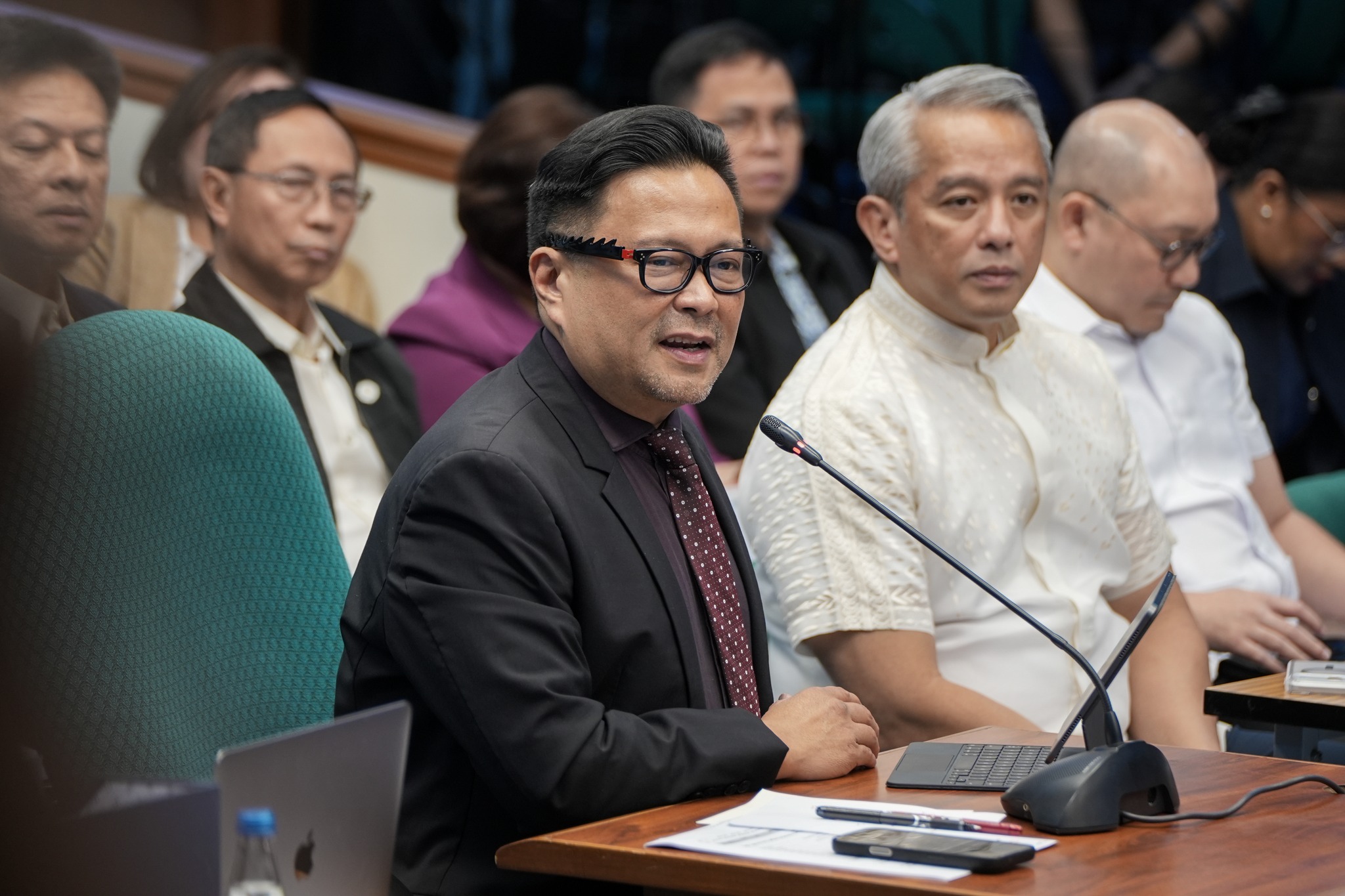

Calls for improved care for overseas Filipino workers took center stage on Thursday as Sen. JV Ejercito signaled the Senate’s readiness to reinforce the national budget to upgrade living conditions in posts around the world.

Speaking as deliberations on the 2026 spending plan continue, Ejercito pressed the Department of Migrant Workers (DMW) to widen its support systems for Filipinos abroad—particularly by expanding temporary shelters and strengthening mental health programs. His appeal revisits concerns he raised when he defended the DMW’s first-ever budget in 2022, including whether the current P870-million allocation for constructing and refurbishing shelters can sufficiently address the needs of distressed workers.
The senator said the next national budget should carry heavier investment in safe accommodations overseas, especially in regions where migrant workers frequently seek refuge. “Let’s add funding for temporary shelters because we want to ensure that they have a good condition, especially in areas where there are many distressed OFWs,” he said in a statement.
Ejercito emphasized that providing psychological support must be treated with equal urgency. “Mental health is health. We must continue to care for both the body and the mind. I will fight for a bigger budget to make sure every Filipino can get the help they need, when they need it,” he said.

He noted that facilities in some host countries already exemplify humane standards, recalling his visits abroad. “If there is a need to help other areas improve temporary shelters…just say it and we will help. I saw it personally, with my own eyes, there were temporary shelters that are well-maintained and beautiful, like in Singapore and Korea. But let’s level up the others,” he said.
The DMW informed senators that existing shelters offer psychosocial support and employ psychiatrists, social workers, and trained personnel who assist OFWs experiencing emotional distress. Ejercito welcomed this but urged the agency to go further by reaching Filipinos who do not stay in government-run facilities. “It’s good to hear that the DMW is serious in responding to the mental health issues of our OFWs. There is really a big concern for mental health nowadays, especially in the age of social media. Our OFWs are vulnerable, they are oftentimes alone and feel sad,” he said.
“I appeal to the DWM, even the OFWs that are not within the temporary shelters, they may also be provided with access to mental health interventions,” he added.
Ejercito framed his recommendations as part of the country’s responsibility to OFWs, whose remittances drive the economy and sustain families across the Philippines.
